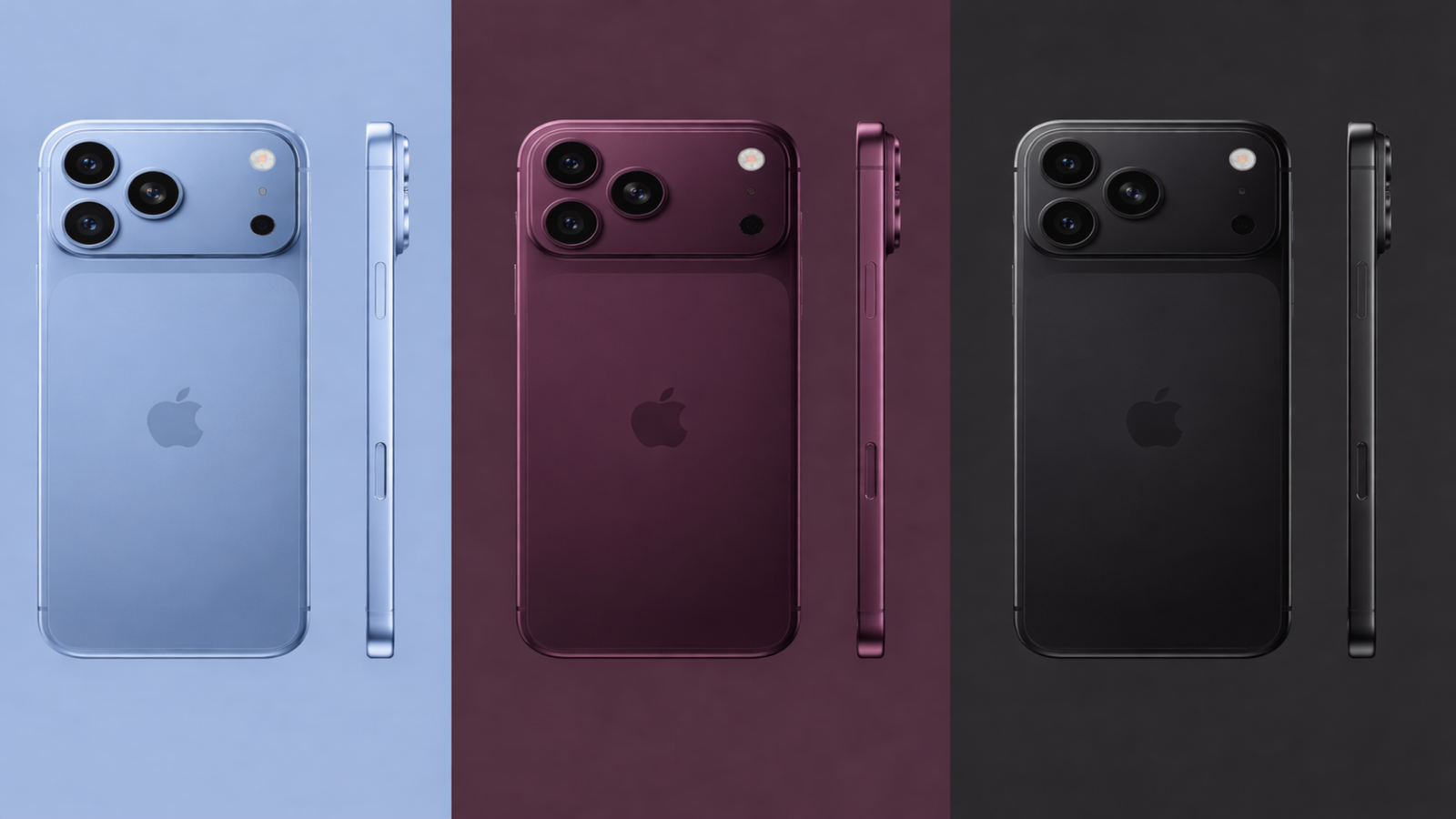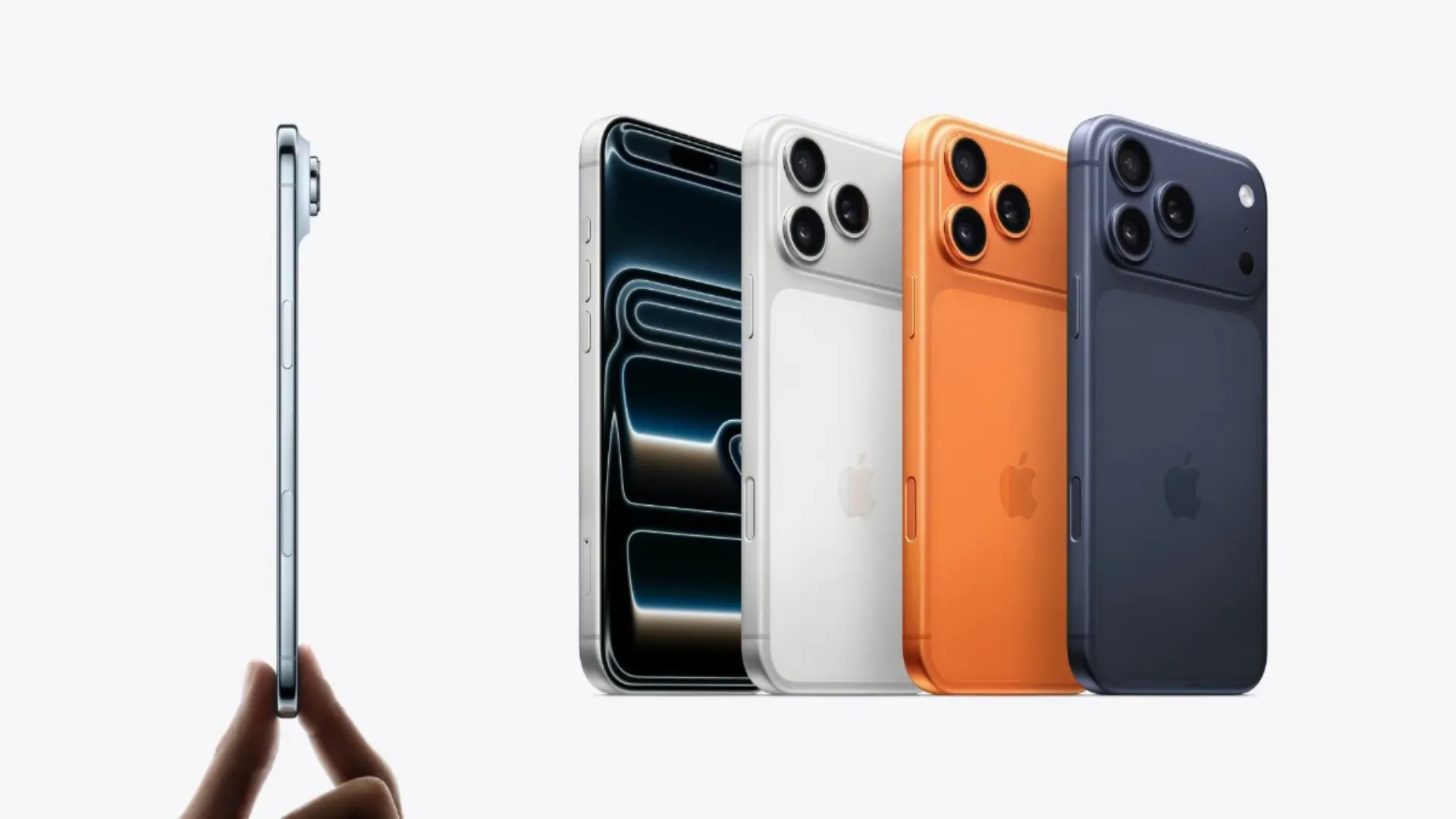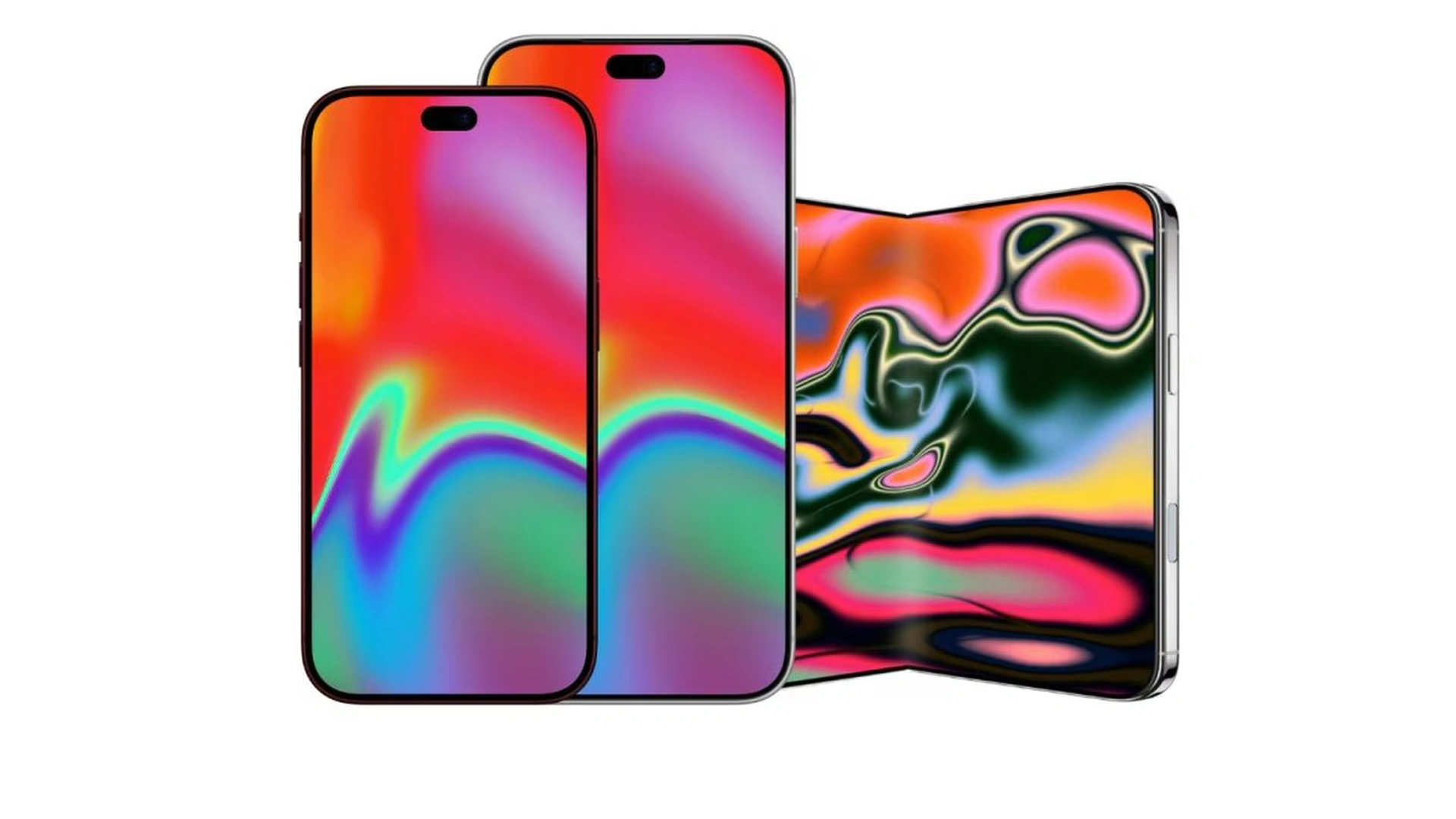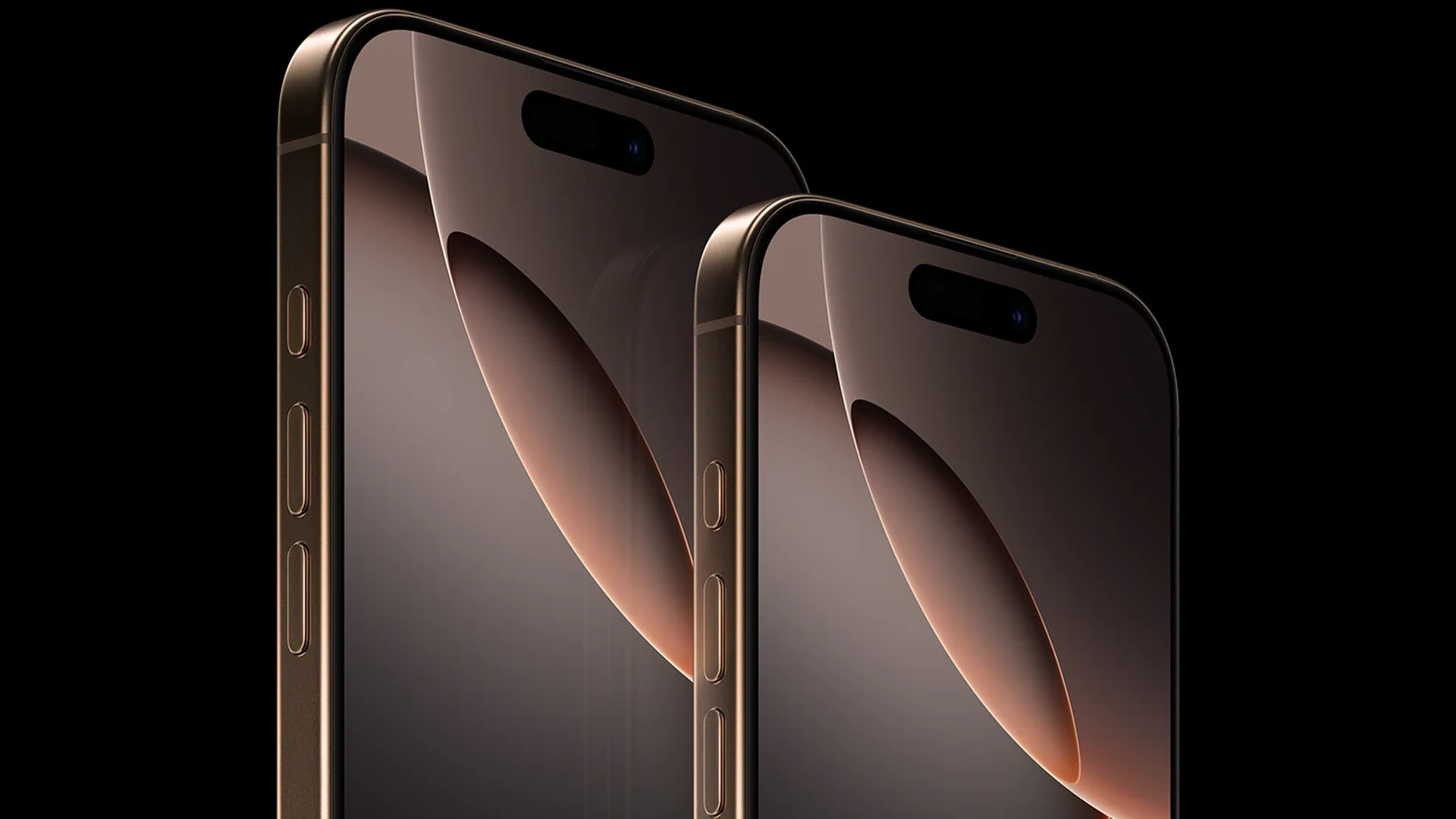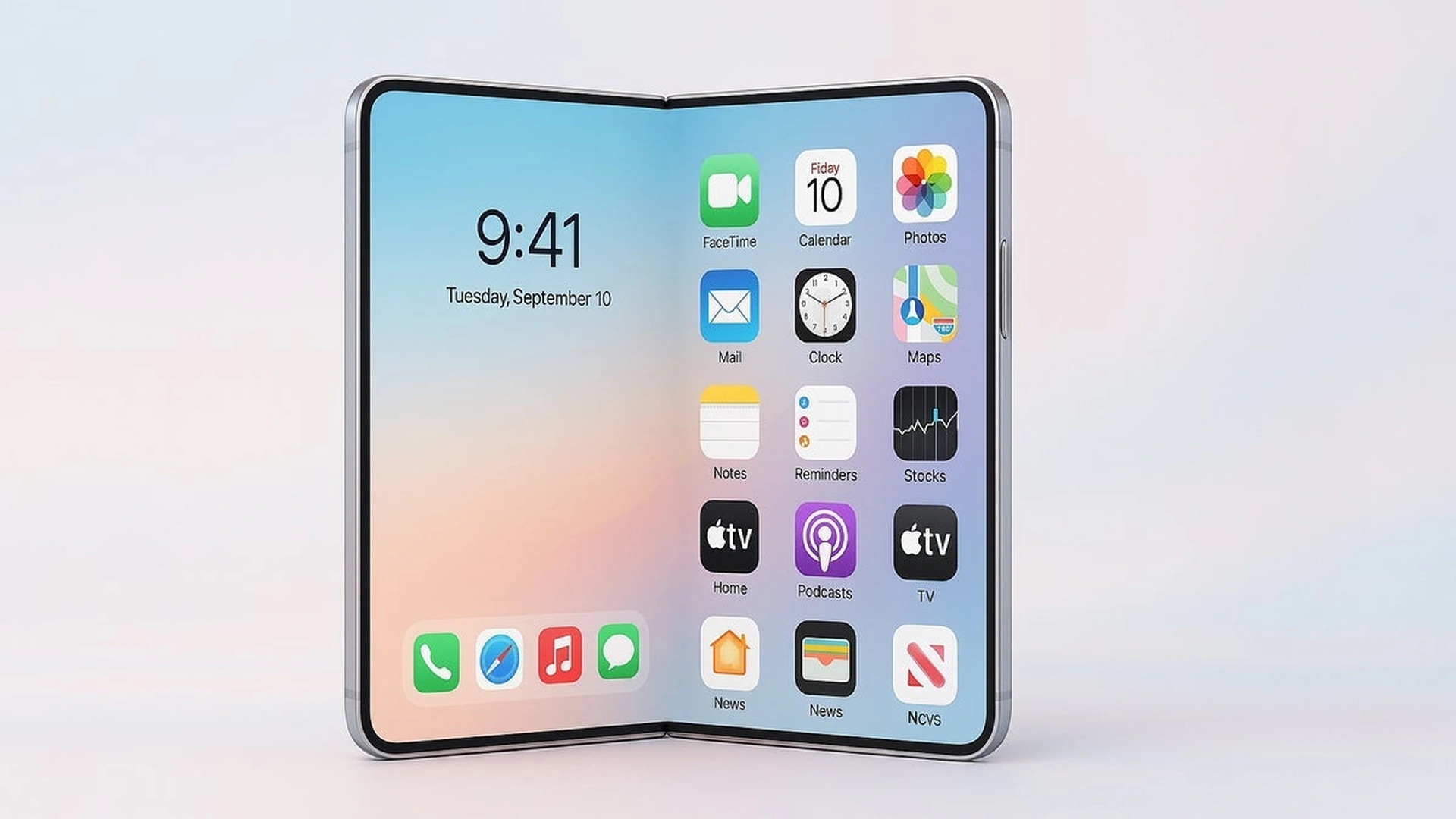
Apple’s long anticipated entry into the foldable smartphone segment may arrive sooner than expected. Despite earlier concerns about development setbacks, fresh insights suggest the company remains on track to unveil its first foldable iPhone alongside the iPhone 18 Pro lineup during its traditional September launch event.
Recent reporting had raised doubts over Apple’s timeline, pointing to engineering challenges that could delay production. However, a new update indicates that while supply constraints may affect availability at launch, they are unlikely to derail Apple’s broader rollout plans.
Launch Timeline Remains Intact Despite Engineering Challenges
Initial reports had suggested that Apple was facing technical hurdles in perfecting its foldable device, potentially pushing the release further down the line. These concerns largely centered on manufacturing complexities and durability issues that have historically challenged foldable smartphone makers.
However, the latest update indicates that Apple’s internal roadmap has not shifted significantly. Instead of postponing the launch, the company is expected to proceed with its planned unveiling, even if early supply remains limited.
This approach would not be unusual for Apple. The company has previously launched products with constrained availability, prioritizing market entry and consumer feedback while scaling production over time.
Foldable iPhone Part of a Larger Long Term Strategy
The foldable iPhone is not just a standalone product but a key piece of Apple’s multi year strategy to redefine its flagship lineup. Over the past few years, Apple has gradually introduced design changes across its devices, signaling a broader transformation.
The introduction of thinner models and refined Pro variants reflects a deliberate shift toward diversification within the iPhone ecosystem. The foldable device is expected to play a central role in this evolution, offering a new form factor that blends portability with expanded screen utility.
Looking ahead, Apple is reportedly planning a series of updates through 2027, marking the 20th anniversary of the iPhone. This milestone is expected to bring significant design and technological advancements, with the foldable model acting as an early step in that direction.
Leadership Focus and Strategic Direction
Apple’s product roadmap continues to be a major focus for its senior leadership team. Key figures within the company are closely involved in shaping the future of the iPhone lineup, ensuring that each new release aligns with long term innovation goals.
This strategic oversight highlights the importance of the foldable iPhone within Apple’s broader vision. It is not merely about entering a new product category but about setting a new standard in design, usability, and performance.
There are also indications that Apple may rethink its traditional release cycle in the coming years. Reports suggest that some models could shift to a spring launch window starting in 2027, signaling a potential departure from the long established annual September schedule.
Hardware Innovations Aim to Address Industry Challenges
Foldable smartphones have faced persistent challenges, particularly in areas such as durability and display quality. Apple appears to be focusing heavily on addressing these issues before entering the market.
One of the most notable improvements is expected to be a reduction in the visibility of the screen crease, a common drawback in existing foldable devices. By refining the hinge mechanism and display materials, Apple aims to deliver a more seamless viewing experience.
The device is also rumored to feature a wider display format when unfolded, optimized for landscape use. This design choice could enhance video playback, gaming, and productivity, positioning the foldable iPhone as a versatile device for both entertainment and work.
Software Optimization to Enhance User Experience
Hardware alone will not define the success of Apple’s foldable device. The company is reportedly investing significant effort in adapting its software to fully leverage the new form factor.
iOS is expected to receive optimizations that bring its behavior closer to iPadOS when used on a foldable screen. This could enable improved multitasking, better app scaling, and a more intuitive user experience overall.
Such enhancements would ensure that the foldable iPhone is not just a novelty but a practical tool that integrates seamlessly into Apple’s ecosystem. The focus on software refinement underscores Apple’s traditional strength in delivering cohesive and user friendly experiences.
Premium Positioning and Possible New Branding
While the final name of the foldable iPhone remains unconfirmed, early indications suggest that Apple may position it as a premium offering within its lineup. There is speculation that the device could carry an “Ultra” branding, distinguishing it from existing models.
This would align with Apple’s strategy of creating distinct tiers within its product range, catering to different segments of the market. A premium foldable model would likely target users seeking cutting edge technology and a unique design experience.
Competitive Landscape and Market Impact
Apple’s entry into the foldable smartphone market is expected to intensify competition. Several manufacturers have already introduced foldable devices, but challenges around durability, usability, and software integration have limited widespread adoption.
Apple’s approach, which emphasizes refinement and user experience, could set a new benchmark for the category. By addressing existing shortcomings and leveraging its ecosystem, the company has the potential to accelerate mainstream acceptance of foldable smartphones.
Outlook for the Future
The anticipated launch of the foldable iPhone alongside the iPhone 18 Pro represents a significant moment in Apple’s product evolution. It reflects a careful balance between innovation and reliability, a hallmark of the company’s approach over the years.
While initial supply constraints may limit availability, the broader implications of this launch extend far beyond the first release. The foldable iPhone is likely to shape Apple’s design philosophy for years to come, influencing future devices and redefining user expectations.
As the September event approaches, all eyes will be on Apple to see how it delivers on its promise of a refined foldable experience. If successful, this could mark the beginning of a new chapter in the history of the iPhone, one that blends tradition with forward looking innovation.