Apple reinforces confidence in its highest security feature as global cyber threats continue to rise
In a significant assertion of its cybersecurity capabilities, Apple has stated that its Lockdown Mode feature has not been successfully breached since its launch in 2022. The company, supported by independent security researchers, claims there have been no confirmed instances of mercenary spyware infiltrating devices with this high security setting enabled.
The announcement comes at a time when concerns over targeted cyberattacks, surveillance tools and digital espionage are increasing worldwide. Apple’s position highlights Lockdown Mode as a powerful defensive tool designed specifically for users who may face sophisticated and targeted threats.
Lockdown Mode: A Shield for High Risk Users
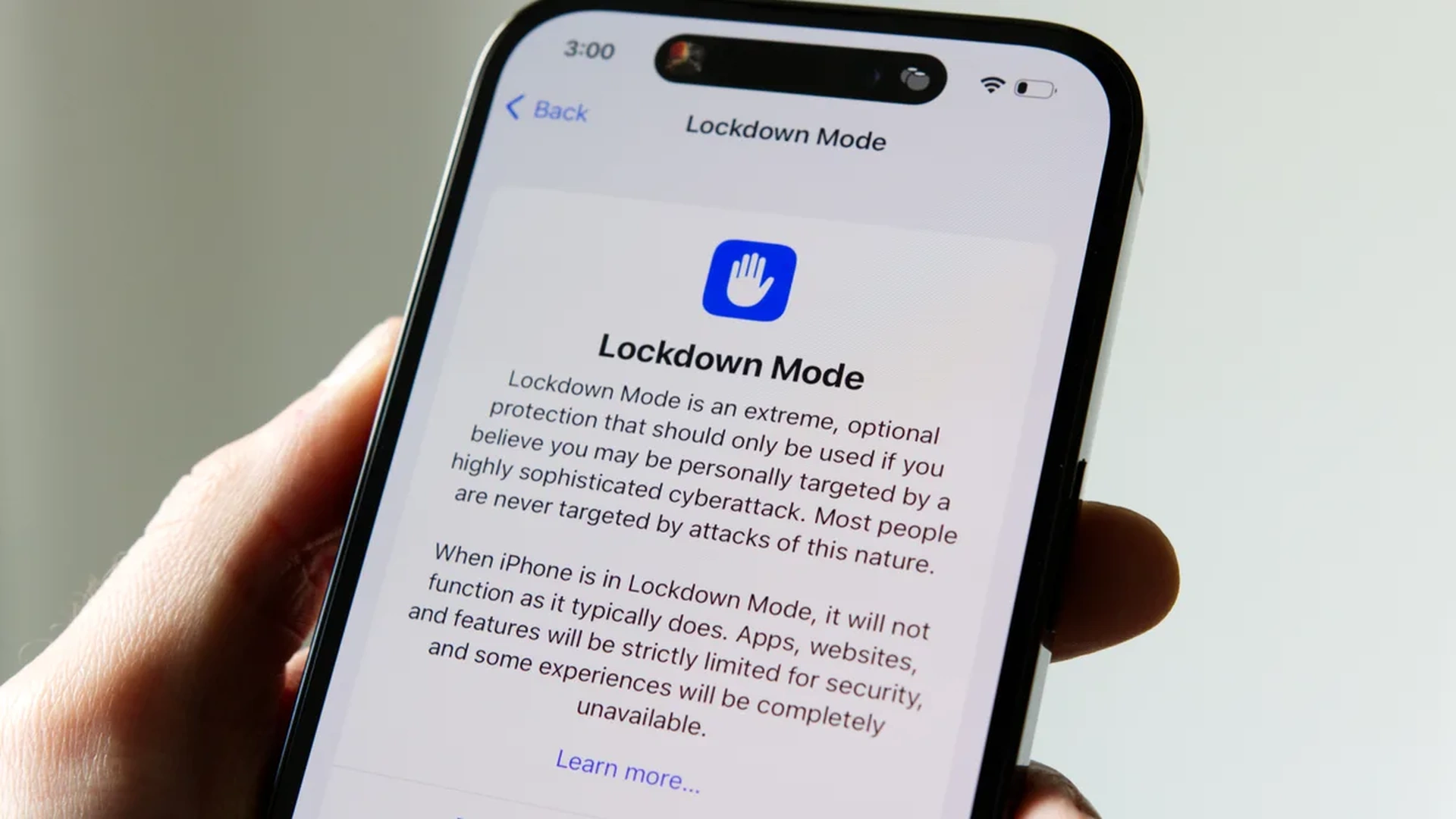
Lockdown Mode was introduced as an optional security feature aimed at individuals who are more likely to be targeted by advanced cyber threats. This includes journalists, activists, political figures and government officials.
Unlike standard security settings, Lockdown Mode takes an aggressive approach by significantly reducing the number of potential entry points that attackers can exploit. It achieves this by limiting certain functionalities across apps, communication channels and system level operations.
According to Apple, this deliberate restriction strategy plays a key role in preventing zero click exploits and other sophisticated attack methods commonly used by spyware developers.
No Confirmed Spyware Breaches So Far
Apple has emphasized that, since its introduction, there has been no verified case of spyware successfully compromising an iPhone, iPad or Mac operating under Lockdown Mode.
This claim has also been backed by cybersecurity experts and independent researchers who actively monitor global spyware activities. Their findings align with Apple’s statement, strengthening the credibility of the feature’s effectiveness.
While the company acknowledges that cyber threats continue to evolve, the absence of confirmed breaches suggests that Lockdown Mode has so far proven resilient against even the most advanced forms of digital attacks.
How Lockdown Mode Strengthens Device Security
Lockdown Mode functions by restricting various features that are commonly targeted by attackers. These limitations are carefully designed to reduce vulnerability while maintaining essential usability.
In the Messages app, most attachment types are blocked, allowing only essential formats such as images, audio and video. Additionally, link previews are disabled to prevent malicious content from executing silently.
Web browsing is also affected. Certain complex web technologies are restricted, which may impact how some websites load or function. However, this trade off significantly reduces exposure to web based exploits.
Communication channels are further tightened. Incoming FaceTime calls from unknown contacts are blocked unless there has been prior interaction. Invitations for shared albums are disabled, and access to certain features like the Home app is restricted.
Hardware and Network Level Protections
Lockdown Mode extends beyond software restrictions and introduces safeguards at the hardware and network level.
Wired connections require explicit user approval before they can be established. Devices must also be unlocked for accessories to connect, preventing unauthorized access through physical interfaces.
On the network side, the feature avoids insecure Wi Fi connections and disables older cellular technologies such as 2G and 3G, which are more vulnerable to interception and attacks.
Additionally, the installation of configuration profiles and mobile device management tools is blocked, eliminating another potential pathway for malicious control.
Essential Functions Remain Unaffected
Despite its strict limitations, Lockdown Mode ensures that critical device functions remain fully operational. Users can continue to make voice calls, send SMS messages and access emergency services without any disruption.
This balance between security and usability is a key aspect of the feature’s design, allowing users to stay protected without losing access to essential communication tools.
Rising Global Threats Put Focus on Advanced Security
The importance of features like Lockdown Mode has grown as the global cybersecurity landscape becomes increasingly complex. Spyware tools developed by private firms have been used in high profile cases targeting individuals across different sectors.
These tools often exploit undisclosed vulnerabilities, making them difficult to detect and prevent using conventional security measures. In this context, Apple’s proactive approach with Lockdown Mode represents a shift towards preventive defense rather than reactive protection.
Industry Implications and User Confidence
Apple’s claim of zero successful breaches is likely to reinforce trust among users, particularly those in high risk environments. It also sets a benchmark for other technology companies to enhance their own security offerings.
However, experts caution that cybersecurity is an ongoing battle. While Lockdown Mode has shown strong performance so far, continuous monitoring and updates will be essential to maintain its effectiveness against emerging threats.
A Strong Step Forward in Personal Cybersecurity
Apple’s Lockdown Mode stands as a notable advancement in personal device security. By prioritizing protection over convenience in critical scenarios, it provides a robust solution for users who cannot afford even the smallest vulnerability.
The absence of confirmed spyware breaches since its launch adds weight to its credibility, positioning it as one of the most secure consumer level protections currently available.
As digital threats continue to evolve, features like Lockdown Mode may become increasingly relevant not just for high risk individuals, but for a broader audience seeking stronger control over their digital safety.