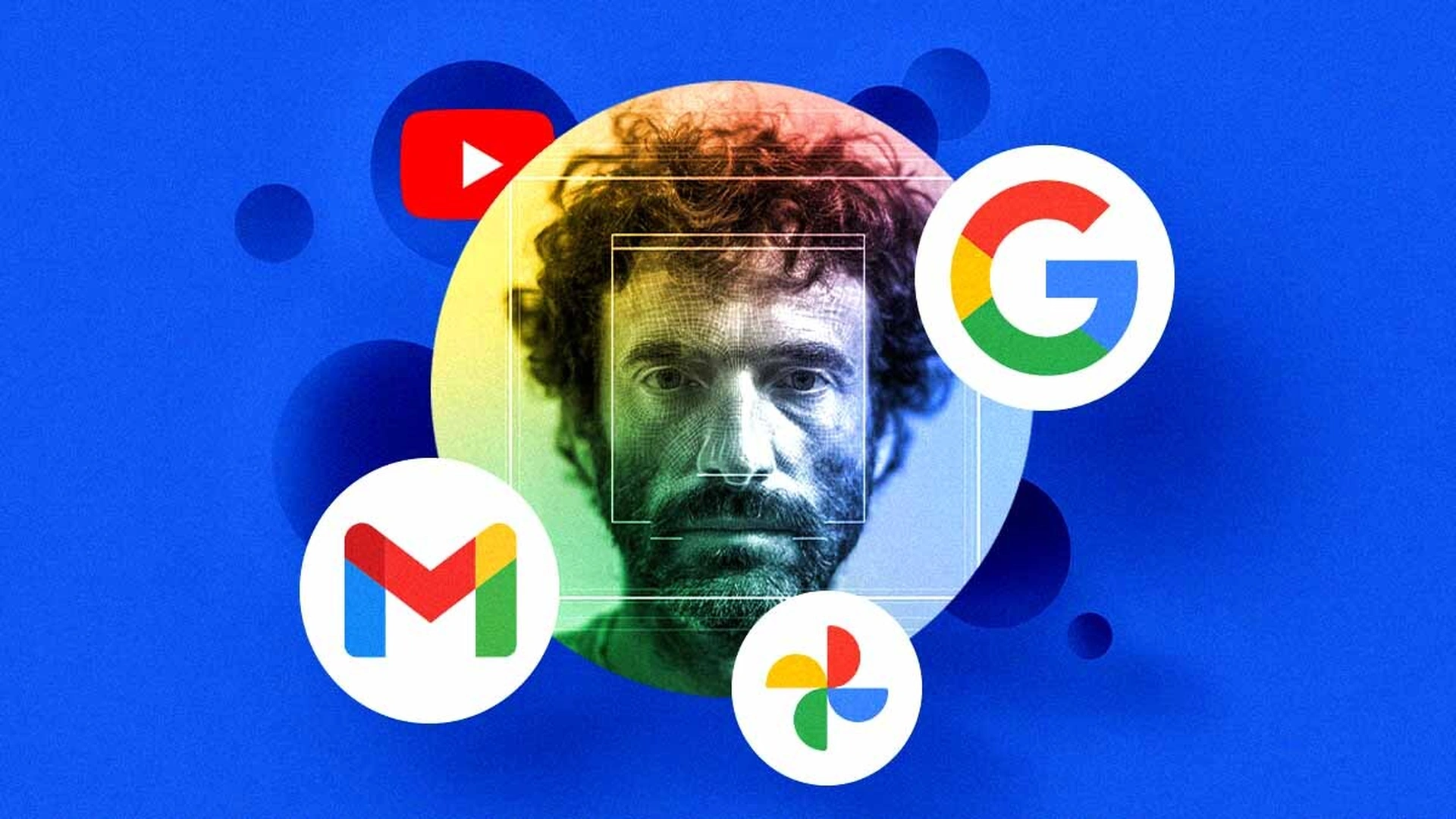
Google has introduced a new artificial intelligence feature linked to Google Photos that is already drawing global attention over privacy and data use. The latest update allows eligible users to connect their Google Photos library with Gemini, the company’s AI assistant, enabling it to understand personal memories, recognize familiar faces, and use selected image context for AI powered content generation.
The rollout, first launched in the United States, reflects the growing race among major technology firms to make AI assistants more personal, more useful, and more deeply integrated into everyday digital life. But while the innovation promises convenience, it also raises serious questions about how much access users should give to AI systems that can study their most private moments.
Google Pushes AI Into Personal Photo Libraries
Under the new system, users can choose to link Google Photos with Gemini through what Google describes as Personal Intelligence. This framework allows Gemini to gather context from connected Google services such as Photos, Gmail, and Calendar.
For users, the benefit is speed and personalization. Instead of manually searching thousands of photos or writing long prompts, Gemini can better understand who appears in images, what memories matter most, and what type of results a user may want.
For example, instead of asking the AI to create a birthday collage using uploaded images, Gemini may already know where family celebrations happened, who attended, and which photos are most relevant.
This marks a major shift in consumer AI. Rather than waiting for commands, modern assistants are being designed to understand users in advance.
Why Privacy Experts Are Paying Attention
While the feature is optional, critics say the update highlights a wider issue in modern technology: users often exchange privacy for convenience without fully realizing the long term implications.
Google Photos stores some of the most sensitive data many people own. That can include family moments, children’s photos, travel history, private gatherings, financial documents captured by camera, identity records, and deeply personal memories.
When AI tools gain access to such archives, users may wonder how much analysis is taking place, what metadata is being interpreted, and how future AI systems may evolve from that access.
Google has stated that Gemini does not directly train its core models on users’ private Google Photos libraries. However, the company also notes that limited information such as prompts and responses may be used to improve functionality over time.
That distinction may reassure some users, but others are expected to remain cautious.
Convenience vs Privacy Is Becoming the Biggest Tech Battle
The Google Photos update is another example of the growing tension between usefulness and control.
Consumers increasingly enjoy AI features that save time, automate tasks, summarize emails, organize calendars, and generate images instantly. Yet every leap in convenience often depends on more access to personal information.
This same debate has already appeared in smartphones, voice assistants, smart home devices, and personalized advertising systems. Now it is expanding rapidly into AI ecosystems.
Technology analysts say the next few years may be defined by one central question: how much personal data are people willing to share in exchange for smarter digital tools?
What Google Users Should Check Before Enabling the Feature
Experts recommend users review permissions carefully before connecting personal apps to AI services. Several steps may help users stay in control:
Check whether the feature is enabled manually or by invitation.
Review what apps are connected to Gemini.
Read data retention and privacy settings.
Remove sensitive photos from cloud storage if preferred.
Use separate folders or accounts for personal archives.
Disable access later if comfort levels change.
Because the feature is opt in, users currently maintain control over whether to activate it.
Why This Matters Beyond Google
The importance of this update goes far beyond one product. It signals where the wider technology industry is heading.
Future AI assistants from multiple companies may rely on photo libraries, messages, browsing habits, voice history, schedules, and purchasing data to deliver highly customized experiences.
That could make AI dramatically more useful. It could also make privacy management far more complex for ordinary users.
The challenge for tech firms will be building trust while pushing innovation forward. Consumers may embrace powerful AI tools, but only if they believe their personal memories remain secure.
U.S. Launch First With Wider Rollout Expected
Google has started the rollout in the United States first, with broader expansion expected in additional regions over time. As with many Google launches, features may arrive gradually depending on device compatibility, account eligibility, and regional privacy regulations.
Markets such as Europe and parts of Asia may face closer regulatory review because of stronger data protection frameworks.
The Bottom Line for Users
Google’s latest Photos and Gemini integration shows how quickly AI is moving from public search tools into deeply personal spaces. For some users, the update may feel revolutionary and useful. For others, it may feel like an uncomfortable step too far.
The decision will likely come down to trust. If users believe the benefits outweigh the risks, adoption may grow rapidly. If privacy concerns dominate public opinion, resistance could follow just as fast.
One thing is certain: the age of AI that understands your memories has already begun.