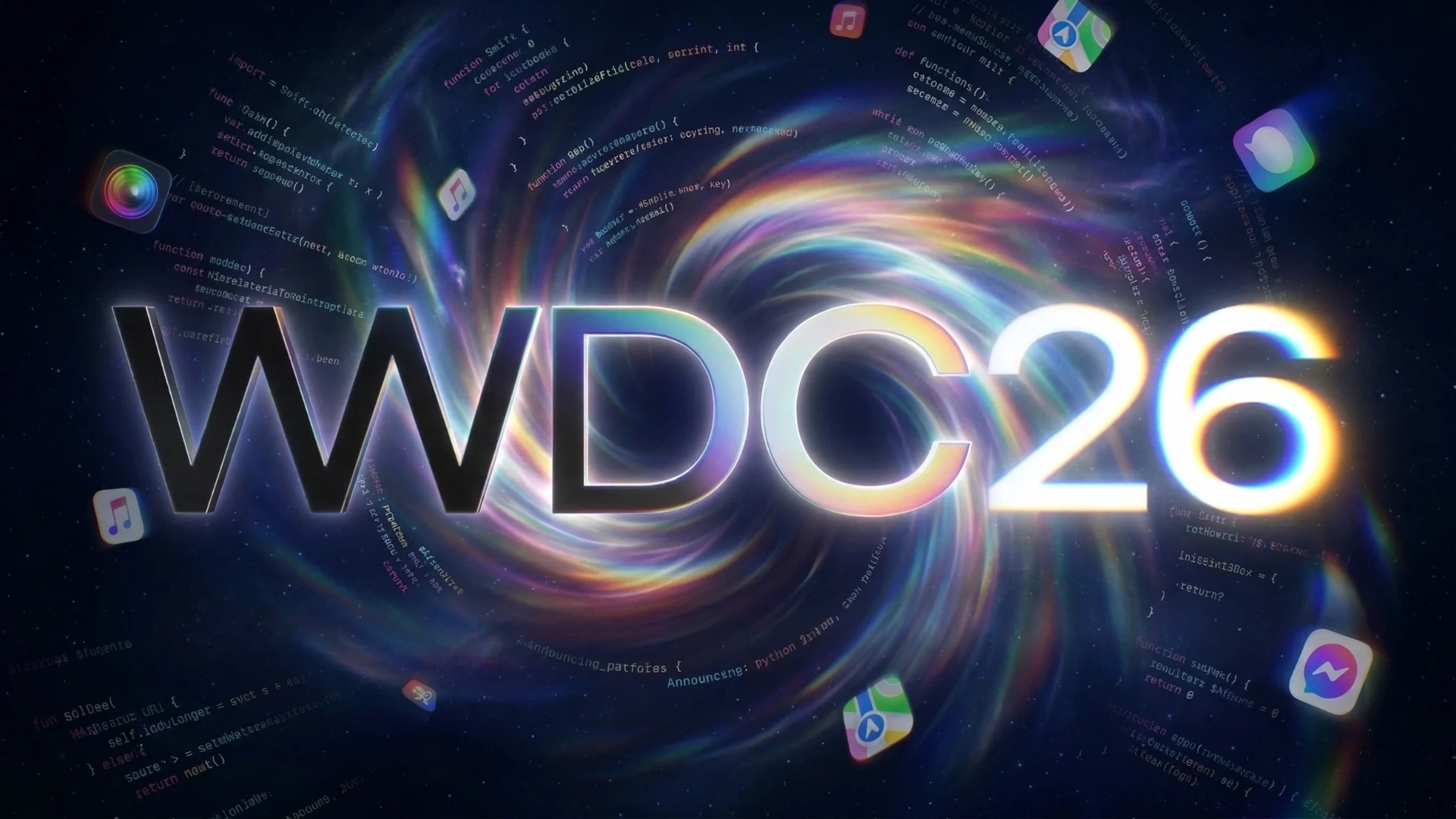
Apple is preparing to take a notably different path in artificial intelligence when it steps onto the stage at Worldwide Developers Conference on June 8. Rather than competing head on with the most advanced AI model creators, the company is expected to introduce a broader, ecosystem driven strategy that prioritizes user experience, hardware integration, and platform control over raw AI supremacy.
According to insights shared by Bloomberg’s Mark Gurman, Apple has internally acknowledged that its AI capabilities are currently behind industry leaders such as OpenAI, Google, and Anthropic. More importantly, the gap is not expected to close quickly. Instead of chasing an increasingly competitive race, Apple appears ready to change the rules entirely.
A New Philosophy: Build the Best Products, Not the Best AI
At the core of Apple’s evolving approach is a simple but calculated philosophy: focus on building the best products powered by AI, rather than attempting to build the most powerful AI itself.
This approach reflects Apple’s long standing strategy. Historically, the company has used software and services not as standalone revenue drivers, but as tools to enhance the value of its hardware ecosystem. Applications like iMessage, FaceTime, and the broader iOS experience have always served as key pillars in driving device loyalty.
The same thinking now extends to AI. Apple is expected to embed essential AI features across its operating systems, ensuring users receive meaningful enhancements without needing to leave the Apple ecosystem. The goal is clear: retain users, strengthen device integration, and deliver seamless experiences that competitors may struggle to replicate across fragmented platforms.
Opening the Doors: Siri to Support Third Party AI Models
One of the most significant developments expected at WWDC is Apple’s plan to open its AI ecosystem to external players. This marks a major shift for a company traditionally known for its tightly controlled environment.
Through a new system reportedly called Extensions, Apple will allow third party AI services to integrate directly with Siri. This means users could soon access a range of AI tools from within Siri itself, without switching apps or platforms.
The feature is expected to debut with iOS 27 and introduce a dedicated section within the App Store where users can browse and install AI integrations. These may include leading AI platforms such as:
ChatGPT
Gemini
Claude
This marketplace approach could fundamentally reshape how users interact with AI on Apple devices. Instead of relying on a single assistant, users will have the freedom to choose the AI experience that best suits their needs.
For Apple, this strategy offers a dual advantage. It fills gaps in its own AI capabilities while maintaining control over the platform and monetization channels. As with the App Store, Apple is expected to take a share of revenue generated through these integrations.
The Gemini Partnership: Buying Time While Building Capability
Running parallel to the Extensions strategy is Apple’s collaboration with Google to integrate Gemini technology into its ecosystem. Announced earlier this year, the multi year partnership is expected to play a crucial role in enhancing Apple’s AI offerings.
By leveraging Gemini, Apple can deliver a more capable AI experience without building everything from scratch. Reports suggest that Apple has access to Gemini models within its own data centers, allowing it to develop smaller, optimized versions tailored for its devices.
This approach ensures that Apple can maintain its strong stance on privacy. Unlike many cloud based AI systems, Apple’s implementation will continue to rely on on device processing and its Private Cloud Compute infrastructure. User data is expected to remain within Apple’s ecosystem, avoiding external server exposure.
The partnership effectively gives Apple time. It allows the company to stay competitive in the short term while continuing to invest in its own long term AI development.
Privacy Remains a Cornerstone of Apple’s Strategy
Even as Apple opens its platform to third party AI services, privacy remains non negotiable. The company is expected to enforce strict guidelines to ensure that user data is handled securely, regardless of which AI service is being used.
This focus on privacy could become a defining advantage. As concerns grow around how AI companies handle data, Apple’s commitment to on device processing and controlled cloud environments may resonate strongly with users.
By combining external AI capabilities with its own privacy infrastructure, Apple is attempting to strike a balance that few competitors have managed to achieve.
A Platform First Approach to the Future of AI
Apple’s strategy signals a broader shift in how the company views artificial intelligence. Instead of treating AI as a standalone product category, Apple is positioning it as an integral part of its ecosystem.
This platform first approach aligns with Apple’s strengths. The company controls both hardware and software, allowing it to deliver tightly integrated experiences that are difficult to replicate elsewhere.
By turning Siri into a gateway for multiple AI services and embedding intelligence across its operating systems, Apple is effectively transforming its devices into hubs for AI powered interactions.
What This Means for Users and Developers
For users, the upcoming changes could bring greater flexibility and choice. Rather than being locked into a single AI assistant, they will be able to customize their experience based on personal preferences.
For developers, the introduction of an AI marketplace within the App Store opens up new opportunities. Companies will be able to reach millions of Apple users directly, offering specialized AI tools and services within a familiar ecosystem.
This could lead to a surge in innovation, as developers compete to deliver the most useful and engaging AI experiences on Apple devices.
WWDC 2026: A Defining Moment for Apple’s AI Journey
As anticipation builds for WWDC on June 8, it is becoming clear that Apple is not trying to win the AI race in the traditional sense. Instead, the company is redefining what success looks like.
By focusing on integration, user experience, and ecosystem control, Apple is betting that it can deliver more value than competitors chasing raw AI performance. It is a strategy rooted in the company’s history and one that could shape the next phase of its evolution.
Whether this approach will resonate with users remains to be seen. But one thing is certain: Apple is not standing still. It is choosing a different path and in doing so, it may once again influence the direction of the entire technology industry.