A Major Shift in Apple’s Artificial Intelligence Strategy
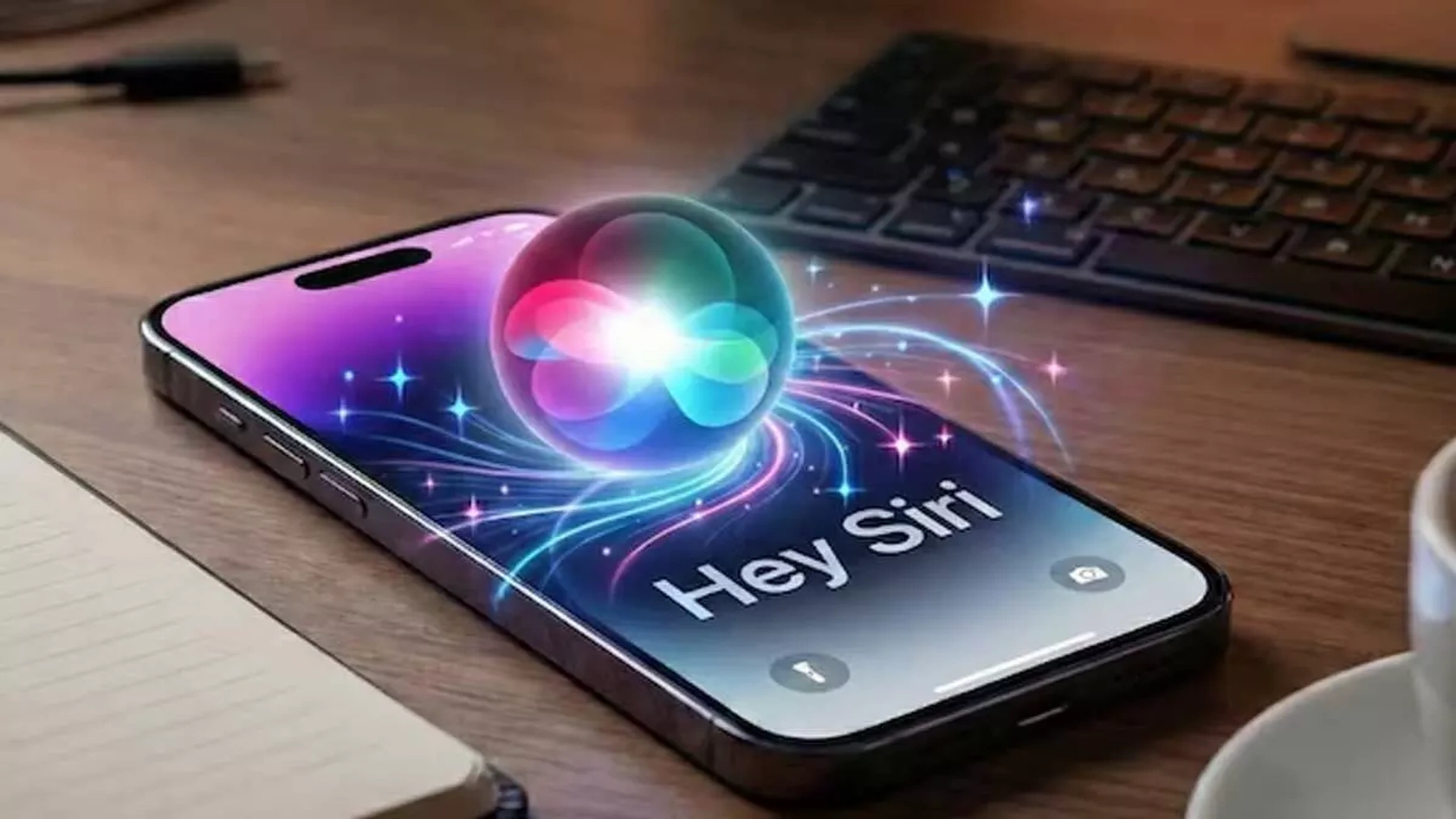
Apple is preparing one of its most significant changes to Siri in years, aiming to reposition the iPhone as a serious player in the rapidly evolving artificial intelligence space. According to recent developments, the company plans to open Siri to third party AI assistants as part of its upcoming iOS 27 update.
This move signals a clear shift in Apple’s long standing closed ecosystem approach. Instead of relying on a single AI partner, Apple is now working toward a flexible system where multiple AI services can operate within Siri. The goal is simple yet ambitious: to make Siri smarter, more adaptable, and competitive with leading AI platforms across the industry.
Siri to Support Multiple AI Assistants Through New System
At the core of this transformation is a new system internally referred to as “Extensions.” This framework will allow users to connect different AI chatbot apps directly to Siri. Once enabled, users will be able to send queries to various AI services from within the Siri interface itself.
For example, if a user has AI apps like Google Gemini or Claude installed on their device, Siri will be able to route questions to those services. This builds on Apple’s existing integration with ChatGPT, which was introduced as part of Apple Intelligence in 2024.
However, unlike the current setup where ChatGPT holds a special role, the new system removes exclusivity. Users will instead have the freedom to choose which AI assistant handles each request.
A New Level of User Control and Customization
Apple’s approach places strong emphasis on user control. Within iOS 27 settings, users will be able to enable or disable specific AI services for Siri. A dedicated section in the Apple Intelligence settings panel will allow users to manage these integrations easily.
Additionally, Apple is expected to introduce a new App Store section focused on AI tools. From there, users can discover and install compatible AI services that can integrate directly with Siri.
This level of customization marks a major evolution from the traditional voice assistant model. Instead of a single assistant trying to handle everything, Siri will act as a gateway to specialized AI tools, each designed for different tasks.
Apple’s Effort to Catch Up in the AI Race
Apple’s decision comes at a time when it is widely seen as trailing competitors in artificial intelligence. Companies across Silicon Valley have rapidly advanced in AI capabilities, while Apple has taken a more cautious and privacy focused approach.
Revamping Siri is central to Apple’s strategy to close this gap. Originally launched nearly 15 years ago, Siri has struggled to keep pace with modern AI chatbots that offer more natural conversations and deeper contextual understanding.
By opening Siri to external AI systems, Apple is effectively turning a limitation into an advantage. Instead of building everything in house, the company is leveraging the strengths of leading AI providers.
Revenue Opportunities Through AI Subscriptions
Beyond improving user experience, this move also carries significant business implications. Apple is expected to generate additional revenue by taking a share of subscriptions purchased through its platform.
Currently, Apple already benefits from transactions made through its payment system, including subscriptions for premium AI services like ChatGPT. With multiple AI providers integrated into Siri, this revenue stream could expand considerably.
This strategy aligns with Apple’s broader focus on growing its services segment, which has become an increasingly important part of its overall business.
Separation from Underlying AI Development Efforts
It is important to note that this new integration system is separate from Apple’s internal work on improving Siri’s core technology. Apple has also been exploring ways to rebuild Siri using advanced AI models, including potential collaborations with companies like Google.
While those efforts focus on enhancing Siri’s internal capabilities, the Extensions system is designed to give users direct access to external AI services. This dual approach allows Apple to improve its own technology while also offering immediate access to the best available tools in the market.
Expected Announcement at Worldwide Developers Conference
Apple is likely to unveil more details about these changes during its annual Worldwide Developers Conference, scheduled for June 8. The company has already hinted at major artificial intelligence advancements to be announced at the event.
As with any pre release features, there remains a possibility that certain elements could change or be delayed before the final rollout. However, the direction is clear: Apple is moving toward a more open and flexible AI ecosystem.
A Broader Vision for Siri and Apple Intelligence
The overhaul of Siri is part of a larger initiative to enhance Apple Intelligence across its devices. In addition to third party AI integration, Apple is reportedly working on a redesigned Siri interface and new features such as “Ask Siri” and “Write with Siri.”
There are also plans to unify Siri with Spotlight search, creating a more seamless experience across the operating system. These changes aim to make AI a more central and intuitive part of everyday device usage.
Industry Impact and Competitive Landscape
Apple’s decision to open Siri could have ripple effects across the tech industry. By allowing multiple AI providers to coexist within its ecosystem, Apple is creating a platform where competition can thrive directly on its devices.
This could benefit users by driving innovation and improving the quality of AI services. At the same time, it may challenge existing partnerships and reshape how companies collaborate in the AI space.
Conclusion: A Defining Moment for Siri’s Future
The planned changes in iOS 27 represent a turning point for Siri and Apple’s broader artificial intelligence ambitions. By embracing openness and flexibility, Apple is redefining the role of its voice assistant in a world increasingly driven by AI.
If executed successfully, this strategy could transform Siri from a limited assistant into a powerful hub that connects users with the best AI tools available. For Apple, it is not just an upgrade it is a necessary evolution to remain competitive in the next era of technology.