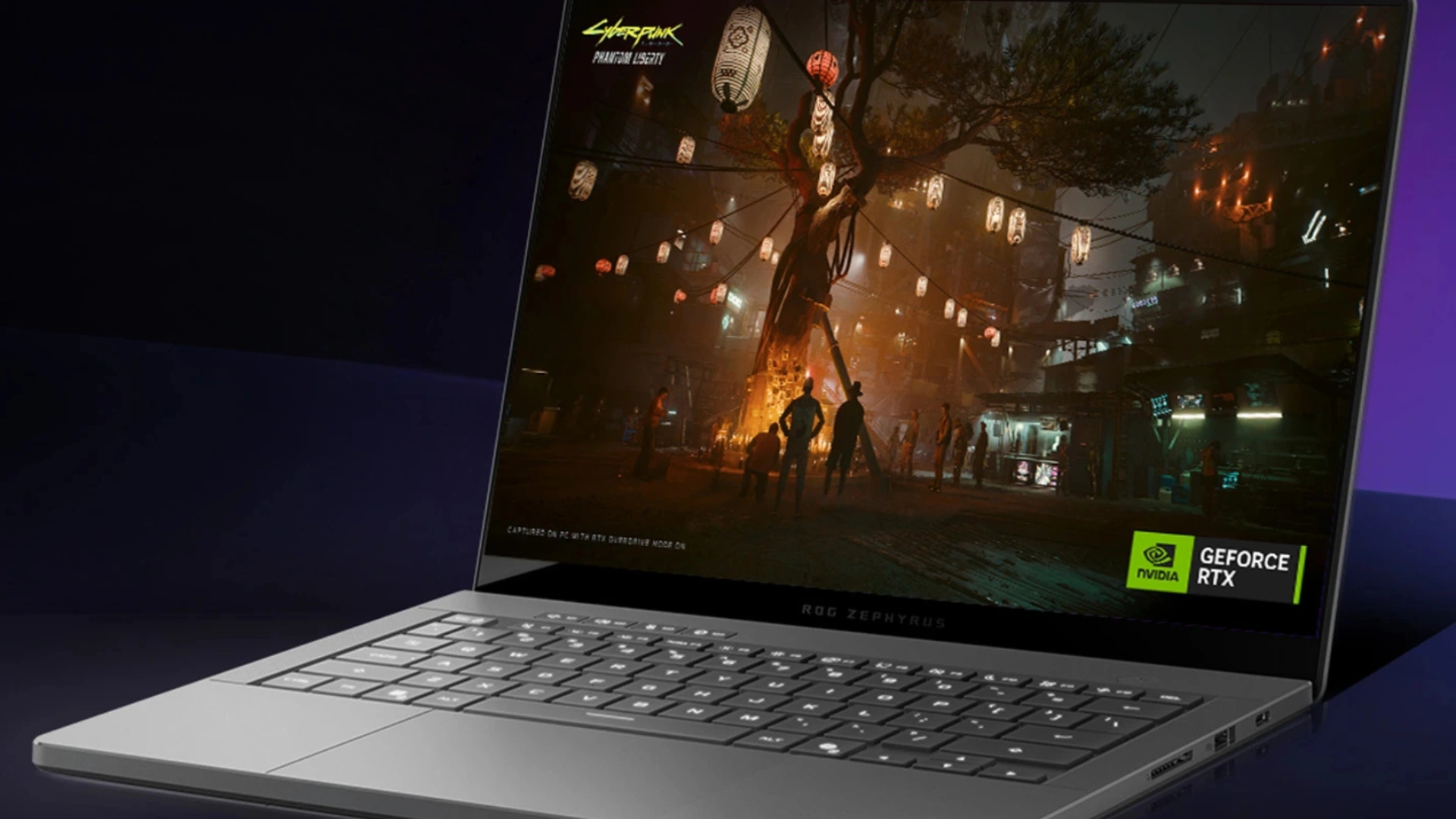
The latest generation of premium gaming laptops from Asus has sparked widespread debate after early listings revealed unusually high prices. Powered by Intel’s new Panther Lake processors, the refreshed ROG Zephyrus lineup delivers cutting edge performance but at costs that many consumers are calling excessive. Entry level configurations now begin at around $3,200, marking a sharp jump compared to previous generations.
Premium Hardware Meets Unexpected Pricing Surge
Asus has long positioned its ROG Zephyrus G14 and G16 series as sleek yet powerful machines for gamers and creators who need performance on the move. These laptops have historically balanced strong GPU output, efficient battery life, and refined design. That reputation remains intact with the Panther Lake refresh, but pricing has taken a dramatic turn.
The base model of the Zephyrus G14 now starts at approximately $3,200. Meanwhile, the higher end Zephyrus G16 configurations climb as high as $5,405, even with relatively standard specifications such as 2TB of storage. In some cases, top tier variants like the dual screen Zephyrus Duo have reportedly reached prices close to $6,500.
This represents a significant increase compared to last generation models, where similar systems were available at considerably lower price points.
Why Are Prices Rising So Fast
Several factors appear to be contributing to the surge in laptop pricing. At the center is the introduction of Intel’s Panther Lake CPUs, which bring next generation performance improvements but also higher production costs. The models currently listed are equipped with the Intel Core Ultra 9 386H, one of the most powerful and expensive chips in the lineup.
Beyond the processor, broader industry conditions are also playing a major role. Global component shortages have intensified due to increased demand from AI data centers, which are consuming large volumes of advanced chips and materials. At the same time, ongoing geopolitical tensions and disruptions in fuel and raw material supply chains have further increased manufacturing and logistics costs.
Together, these pressures have pushed electronics pricing upward across the board. However, analysts note that the jump in Asus laptop prices appears particularly steep.
Up to 50 Percent Higher Than Previous Generation
According to industry observations, the new Zephyrus models are priced between 15 percent and 50 percent higher than their predecessors. While incremental improvements in performance are expected with each generation, the scale of this increase has raised eyebrows.
Experts argue that even with advanced CPUs and refined designs, the real world performance gains are unlikely to justify such a sharp rise. In practical terms, users may not experience a proportional improvement in gaming or productivity tasks that matches the higher cost.
This gap between price and perceived value has become a central point of criticism.
Community Reaction Highlights Growing Concern
The reaction from the tech community has been swift and vocal. Discussions across forums and social platforms show widespread frustration among potential buyers. Many users have pointed out that for the same price as an entry level Zephyrus laptop, it is possible to build or purchase a high end desktop system with superior raw performance.
Some commenters have questioned whether the pricing strategy is sustainable, especially in a market where consumers are increasingly value conscious. The perception that prices are outpacing meaningful innovation could influence purchasing decisions in the coming months.
Limited Configuration Options Add to the Issue
One important detail behind the high pricing is the limited range of configurations currently available. Asus has, for now, paired these laptops with a single high end processor option, the Intel Core Ultra 9 386H. This decision effectively sets a high baseline cost for all models in the lineup.
If Asus introduces variants with more affordable processors in the future, prices could become more accessible, particularly for entry level buyers. However, early indications suggest that even lower tier configurations may not fall below $2,500, which still places them firmly in the premium segment.
Value Proposition Under Scrutiny
The Zephyrus series has traditionally appealed to users seeking a balance between portability and power. While the new generation continues to offer strong build quality, efficient thermal design, and capable GPUs such as the RTX 5070 mobile, the pricing shift challenges its value proposition.
Consumers are now forced to weigh whether the convenience of a high performance laptop justifies paying a premium that rivals or exceeds desktop alternatives. For many, this decision may come down to specific needs such as mobility, workspace constraints, or professional requirements.
What This Means for Asus and the Market
The success of the Panther Lake Zephyrus lineup will ultimately depend on how the market responds to these elevated prices. If demand remains strong, it could signal a broader acceptance of higher costs in the premium laptop segment. On the other hand, weak sales could push manufacturers to rethink pricing strategies or expand configuration options.
The situation also reflects a larger trend in the tech industry, where cutting edge innovation increasingly comes with higher entry costs. As AI driven demand continues to reshape supply chains, consumers may need to adjust expectations around pricing for next generation hardware.
Looking Ahead
For now, the Asus Panther Lake laptops stand as a clear example of how rapidly pricing dynamics can shift in the technology sector. While the hardware promises impressive performance and refined design, the steep cost has become the defining story.
Whether these laptops succeed or struggle will offer valuable insight into how much consumers are willing to pay for the latest advancements. Until then, the debate over value versus performance is likely to continue, with buyers watching closely for more affordable options or competitive alternatives.