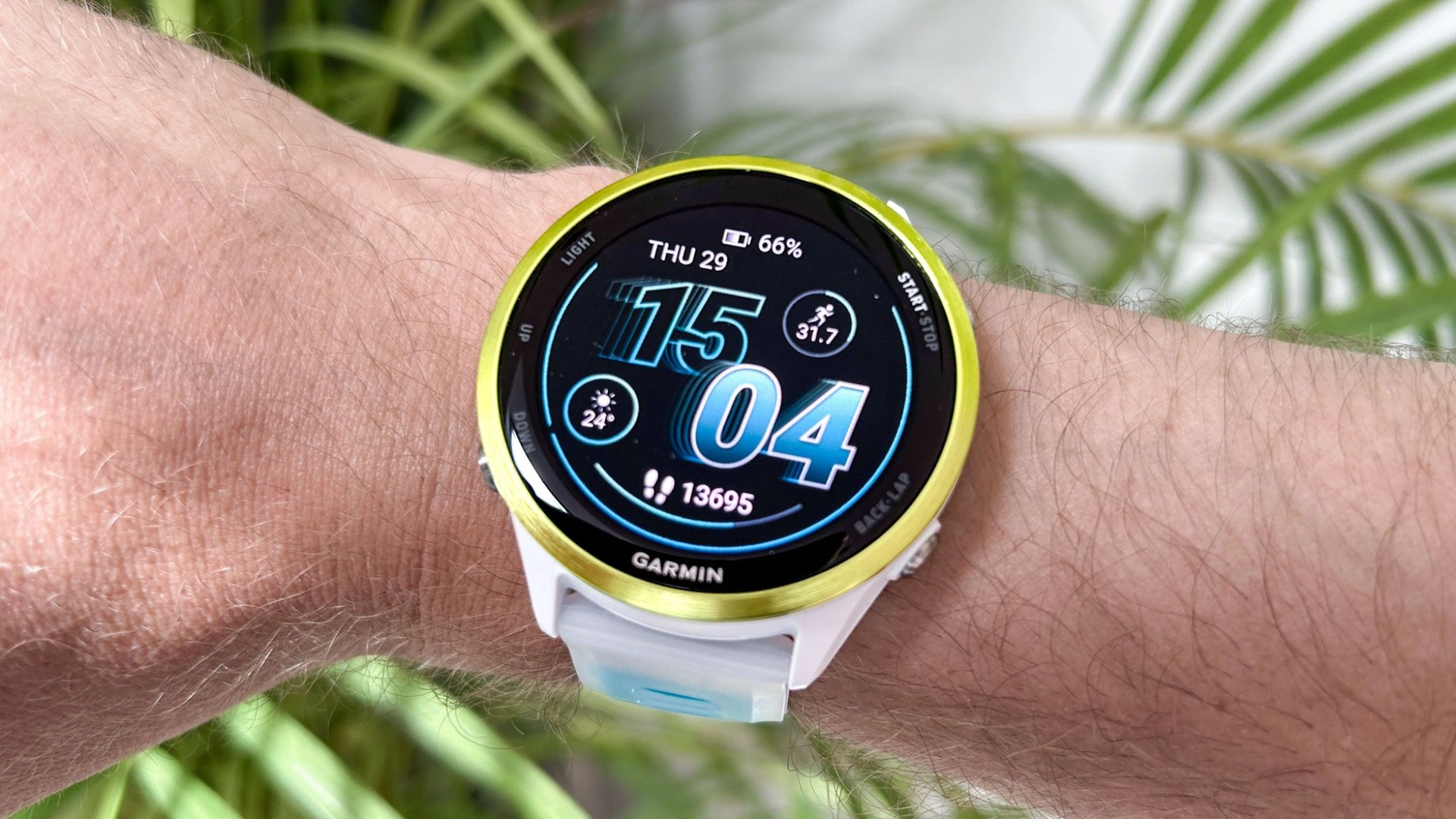
A Deep Dive Into Garmin’s Confusing Watch Naming System
In a fresh take on the ever expanding world of fitness wearables, a seasoned reviewer has turned confusion into a challenge. Matt Evans, a long time fitness technology writer and Garmin specialist, has introduced an interactive quiz designed to test how well users truly understand Garmin’s complex range of watches.
Having spent over five years reviewing Garmin devices and more than a decade writing about fitness technology, Evans admits that even experienced users can struggle to navigate the brand’s intricate naming system. His solution is both engaging and revealing: a crossword style quiz that highlights just how complicated Garmin’s product lineup has become.
Why Garmin’s Watch Lineup Feels Overwhelming
Garmin has built a strong reputation for producing high performance fitness watches, but its naming conventions often leave buyers puzzled. Unlike competitors that release a limited number of models each year, Garmin maintains a broad catalog that includes multiple overlapping series.
For many users, distinguishing between popular lines such as the Fenix, Forerunner, and Enduro can be challenging. The confusion grows when variations like Solar, Sapphire, and Pro editions are introduced. Even as Garmin has attempted to streamline its offerings in recent years, the overall ecosystem still feels difficult to navigate, especially for newcomers.
By comparison, rival smartwatch brands tend to follow a simpler approach. They release only a handful of devices annually, and newer models typically replace older ones entirely. Garmin, however, continues to sell a wide range of devices simultaneously, which adds to the complexity.
The Garmin Quiz: A Smart Way to Learn
Recognizing this confusion, Evans created an interactive crossword quiz that encourages users to test their knowledge of Garmin’s watch families. The format is simple but effective. Players must fill in answers based on clues related to Garmin’s different watch lines, all while racing against the clock.
The quiz deliberately avoids specific model numbers and most common suffixes such as Pro or Solar. This ensures that participants focus on understanding the core product families rather than memorizing variations.
The result is a game that is both educational and competitive. It challenges even seasoned Garmin users to think carefully about the brand’s structure, while also offering newcomers a fun way to familiarize themselves with the lineup.
Gamification Meets Fitness Tech Enthusiasm
Adding to the excitement is a leaderboard feature that taps into the competitive spirit of fitness enthusiasts. Garmin users often overlap with communities on platforms like Strava, where performance tracking and rankings are part of the culture.
The quiz mirrors this mindset by allowing participants to compare their completion times. Fastest players can see their names rise on the leaderboard, bringing a sense of achievement beyond simply completing the challenge.
This blend of gamification and learning reflects a broader trend in fitness technology, where engagement and motivation are key to user retention.
A Reflection of Garmin’s Unique Market Position
The very need for such a quiz highlights Garmin’s unique position in the wearable technology market. While other brands focus on simplicity and mass appeal, Garmin caters to a wide spectrum of users, from casual runners to elite athletes and outdoor adventurers.
Its diverse lineup includes watches tailored for running, cycling, triathlons, hiking, and endurance sports. This specialization is one of Garmin’s strengths, but it also contributes to the complexity that the quiz seeks to address.
For experienced users, this variety offers unmatched flexibility. For beginners, however, it can feel like navigating a maze without a guide.
Expert Insight From Years of Experience
Evans brings credibility to the project through his extensive background. As the author of a widely recognized guide to the best Garmin watches, he has spent years analyzing the brand’s evolution and product strategy.
His acknowledgment of the confusion carries weight, reinforcing the idea that the issue is not limited to casual buyers. Even professionals who closely follow the industry can find Garmin’s naming conventions difficult to decode.
The quiz, therefore, is more than just entertainment. It is a reflection of real world challenges faced by consumers and reviewers alike.
Simplifying the Buyer Journey Through Engagement
For potential buyers, tools like this quiz can play an important role in decision making. Understanding the differences between watch families is crucial when investing in a fitness device, especially one as feature rich as a Garmin watch.
By turning this learning process into an interactive experience, the quiz lowers the barrier to entry. Users can build familiarity with the brand in a way that feels natural and enjoyable rather than overwhelming.
This approach aligns with modern content strategies that prioritize engagement and user participation, particularly in the technology sector.
Conclusion: Turning Complexity Into Opportunity
Garmin’s extensive watch lineup is both a strength and a challenge. While it offers unparalleled choice and specialization, it also creates confusion that can deter potential users.
Matt Evans’ Garmin quiz transforms this complexity into an opportunity for engagement and education. By blending gamification with practical knowledge, it provides a fresh perspective on navigating one of the most diverse product ecosystems in wearable technology.
As fitness tech continues to evolve, initiatives like this highlight the importance of clarity, accessibility, and user focused innovation. For Garmin enthusiasts and newcomers alike, the quiz offers a chance to test their knowledge and perhaps gain a deeper appreciation for the brand’s expansive world of watches.