A New Era for Windows Laptop Efficiency Begins with Smarter Screens
Windows laptops may finally be closing the long-standing battery life gap with Apple’s MacBook lineup, thanks to a significant innovation in display technology from LG. The company has begun mass production of a next generation LCD panel designed specifically for laptops, capable of dynamically adjusting its refresh rate between 1 Hz and 120 Hz. This advancement could mark a turning point for power efficiency in portable computing.
For years, MacBooks have dominated the conversation around battery performance, largely due to tight hardware software integration and efficient chip design. However, LG’s new approach targets one of the most power hungry components in any laptop, the display itself, offering a fresh path toward longer usage times without compromising performance.
Dynamic Refresh Rate Technology Explained and Why It Matters
At the core of LG’s innovation is the ability of the display to intelligently adapt its refresh rate depending on what is being shown on screen. When users are viewing static content such as documents, emails, or web pages, the panel can reduce its refresh rate to as low as 1 Hz. Conversely, during motion heavy tasks like video playback or gaming, it can scale up to 120 Hz to deliver smooth visuals.
Refresh rate refers to how many times per second a screen updates its image. Higher refresh rates improve motion clarity, but they also consume more power. By lowering the refresh rate when high performance is unnecessary, the display conserves energy significantly.
This concept is not entirely new. Similar adaptive refresh rate technologies have already been used in smartphones and wearable devices. However, bringing this capability to laptop LCD panels at scale represents a major leap forward for the PC industry.
The Science Behind the Efficiency Gains
LG attributes this breakthrough to its use of oxide based thin film transistors, which minimize current leakage within the display. Combined with proprietary circuit design and advanced panel engineering, the system allows the screen to retain its electrical charge for longer periods. This reduces the frequency at which the display needs to refresh, directly cutting down power consumption.
According to LG, this technology could improve battery efficiency by up to 48 percent under certain conditions. While this claim will require further independent validation, early indicators suggest meaningful gains in real world usage scenarios.
The reduction in idle power draw is particularly noteworthy. When a display consumes less energy during inactive or low activity periods, overall battery life can improve dramatically, especially for users engaged in productivity tasks rather than continuous media consumption.
Dell XPS 16 Showcases the Technology in Action
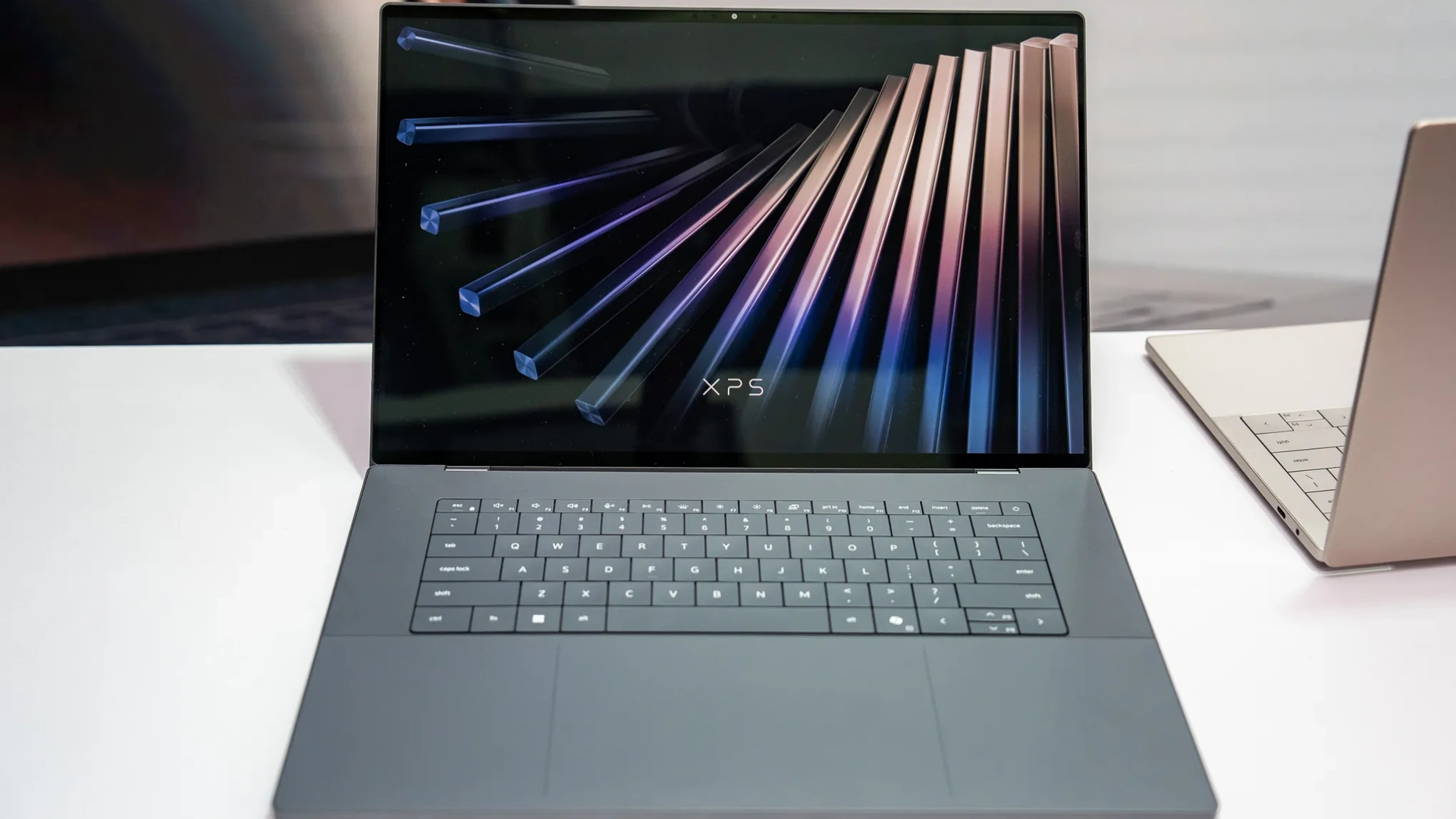
One of the first laptops to feature this new display is Dell’s latest XPS 16, a premium device aimed at professionals and power users. The model equipped with LG’s variable refresh rate panel demonstrates impressive efficiency metrics.
Testing indicates that the laptop can draw as little as 1.5 watts when idling at low brightness, which is roughly half the consumption seen in comparable devices. With a 70 watt hour battery, this efficiency translates into nearly 27 hours of usage under optimal conditions, a figure that rivals or even exceeds many current MacBook models.
This performance is also supported by Intel’s next generation Panther Lake processor, suggesting that the combination of efficient silicon and advanced display technology can deliver substantial improvements without requiring a shift to ARM based architectures.
A Competitive Shift in the Laptop Landscape
In recent years, Windows laptop manufacturers have explored ARM based solutions, such as Qualcomm’s Snapdragon X series, to achieve better power efficiency. While these chips offer promising battery life, they often come with trade offs in application compatibility and performance in certain workloads.
LG’s display innovation provides an alternative path. By improving efficiency at the component level, manufacturers can continue using traditional x86 processors while still delivering competitive battery performance. This could appeal to users who rely on a broader ecosystem of software and need consistent performance across demanding applications.
What Comes Next for Display Technology
Currently, LG is rolling out this adaptive refresh rate technology in LCD panels. However, the company has confirmed plans to introduce an OLED version in the near future. OLED displays are known for their superior contrast and color accuracy, and combining these qualities with dynamic refresh rate capabilities could further enhance both visual experience and energy efficiency.
For consumers, this means more choice. Those prioritizing battery life and affordability may opt for LCD models, while users seeking premium visuals could look toward upcoming OLED variants.
Conclusion: A Promising Step Toward Longer Lasting Laptops
LG’s variable refresh rate display technology represents a meaningful advancement in laptop design. By addressing power consumption at the display level, it opens new possibilities for extending battery life without sacrificing performance or compatibility.
While real world performance will ultimately determine its impact, early implementations like the Dell XPS 16 suggest that Windows laptops are entering a new phase of competitiveness. If widely adopted, this innovation could reshape user expectations and bring the industry closer to achieving all day battery life across a broader range of devices.
As manufacturers continue to refine both hardware and software integration, the gap between Windows laptops and MacBooks may soon become a thing of the past.