A forgotten Android feature quietly returns to the spotlight
In the fast-moving world of Android updates, even useful features can slip into obscurity. A little known shortcut within Google’s Quick Share has recently resurfaced, reminding users that sometimes the most convenient tools are already in their hands. The discovery comes amid fresh leaks surrounding upcoming Android updates, where a more visible version of this same idea appears set to return.
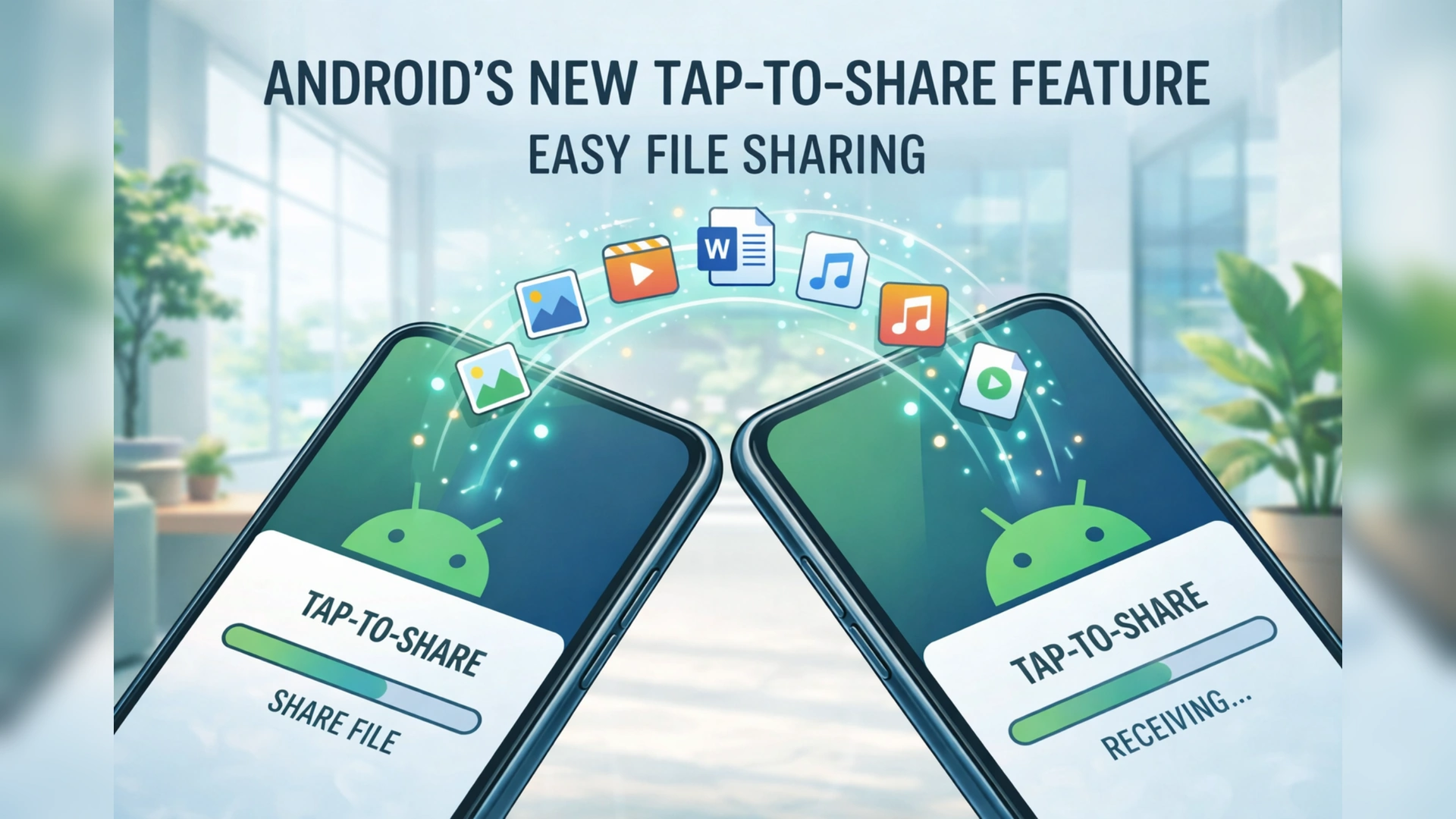
Quick Share, which has been a core part of Android’s file sharing ecosystem for several years, is widely used for transferring photos, videos, and documents between devices. However, many users remain unaware that it includes a hidden gesture that allows file transfers to begin simply by tapping two phones together.
Tap to share functionality quietly existed for years
Recent attention to this feature was sparked by a leak related to Samsung’s upcoming One UI 9, expected to arrive alongside Android 17. The leak showcased a “Tap to Share” gesture, suggesting that Android may soon formally reintroduce a simplified physical interaction for file sharing.
But as it turns out, this functionality is not entirely new.
The ability to initiate a transfer by physically tapping two Android devices has existed since the days when Quick Share was still known as Nearby Share. The feature operates in a similar way to the older Android Beam system, which allowed users to exchange data using near field communication by bringing devices into contact.
According to earlier reports and user discussions dating back several years, if one device is already in the process of sharing a file via Quick Share, tapping it against another compatible Android phone can trigger the transfer automatically. Despite being documented in the past, the feature never gained widespread recognition.
Why most users never noticed this feature
One of the primary reasons this shortcut remained under the radar is its inconsistent performance. While the concept is simple, real world usage has shown that it does not always work as expected.
In tests involving devices from the same manufacturer, such as between two Pixel smartphones, the feature appears to function more reliably. Transfers can begin quickly when the devices are tapped together, offering a seamless experience.
However, compatibility becomes less predictable when different brands are involved. For example, attempts to use the feature between a Pixel device and a Samsung Galaxy phone may fail to trigger automatically, even though both devices can still detect each other within the Quick Share interface.
This inconsistency has likely contributed to the feature being overlooked. Without clear visual cues or feedback, users may not realize whether the gesture has been recognized or if they need to manually initiate the transfer through the interface.
The role of software ecosystems and device compatibility
The uneven performance across different manufacturers highlights a broader challenge within the Android ecosystem. While Android aims to provide a unified platform, variations in hardware and software customization can lead to differences in how features behave.
Quick Share itself has evolved over time, with Google working alongside major manufacturers to standardize the experience. Despite these efforts, subtle differences still exist, particularly when it comes to advanced or less commonly used features like tap based sharing.
As a result, many users rely on the traditional method of selecting a device from the Quick Share menu rather than experimenting with gestures that may or may not work consistently.
A renewed push with Android 17 and One UI 9
The recent leak of Samsung’s One UI 9 suggests that the tap to share concept may soon receive a more polished and visible implementation. Unlike the current hidden functionality, the upcoming version is expected to include clearer prompts and improved reliability.
If properly executed, this could mark a return to a more intuitive way of sharing files, reducing the number of steps required and making the process feel more natural. The idea of simply tapping two devices together aligns with earlier design philosophies that emphasized ease of use and direct interaction.
Google is also expected to play a role in bringing similar improvements to Android more broadly. As Android 17 approaches, there is growing anticipation that Quick Share will continue to evolve, potentially incorporating lessons learned from past iterations of tap based sharing.
Why this matters for everyday users
For many users, file sharing remains a daily task, whether it involves sending photos, documents, or media between devices. While cloud services and messaging apps offer alternatives, local sharing methods like Quick Share provide faster speeds and do not rely on internet connectivity.
The rediscovery of this hidden shortcut serves as a reminder that existing tools often have untapped potential. Even if the current implementation is not perfect, it demonstrates how small innovations can simplify common tasks.
If future updates manage to refine and standardize the tap to share experience, it could become one of the most convenient features in the Android ecosystem.
A glimpse into Android’s evolving user experience
The renewed interest in tap based sharing also reflects a broader trend in technology, where companies revisit older ideas and refine them with modern capabilities. Features that once seemed experimental can find new life when combined with improved hardware and software integration.
In this case, the concept of tapping devices together to share content is not new, but its potential remains significant. With better consistency and clearer user guidance, it could transform from a hidden trick into a mainstream feature.
Conclusion
The resurfacing of Quick Share’s tap based shortcut highlights both the strengths and challenges of Android’s feature rich ecosystem. While the functionality has existed for years, its limited visibility and inconsistent behavior kept it from becoming widely adopted.
Now, with Android 17 and One UI 9 on the horizon, the idea is gaining renewed attention. Whether this leads to a fully realized and reliable tap to share experience remains to be seen, but the foundation is already in place.
For now, users curious about the feature can try it themselves by initiating a Quick Share transfer and tapping two devices together. It may not work perfectly every time, but it offers a glimpse of what could soon become a much more prominent part of Android’s future.