A humble beginning that reshaped the modern world
In 1976, inside a modest California garage, two young innovators, Steve Wozniak and Steve Jobs, set in motion a journey that would redefine technology for generations. What began as a simple circuit board designed for hobbyists quickly evolved into Apple I, marking the birth of one of the most influential companies in history.
Fifty years later, Apple stands not just as a company but as a cultural force that has shaped how people work, communicate, and experience digital life. From early personal computers to today’s advanced smartphones and wearables, Apple’s ability to combine design, software, and hardware into a seamless experience has set it apart for decades.
The rise of a technology giant driven by innovation and vision
Apple’s transformation from a startup to a global titan accelerated after its public listing in 1980. However, the real turning point came in the early 2000s with the introduction of revolutionary products that captured the imagination of consumers worldwide.
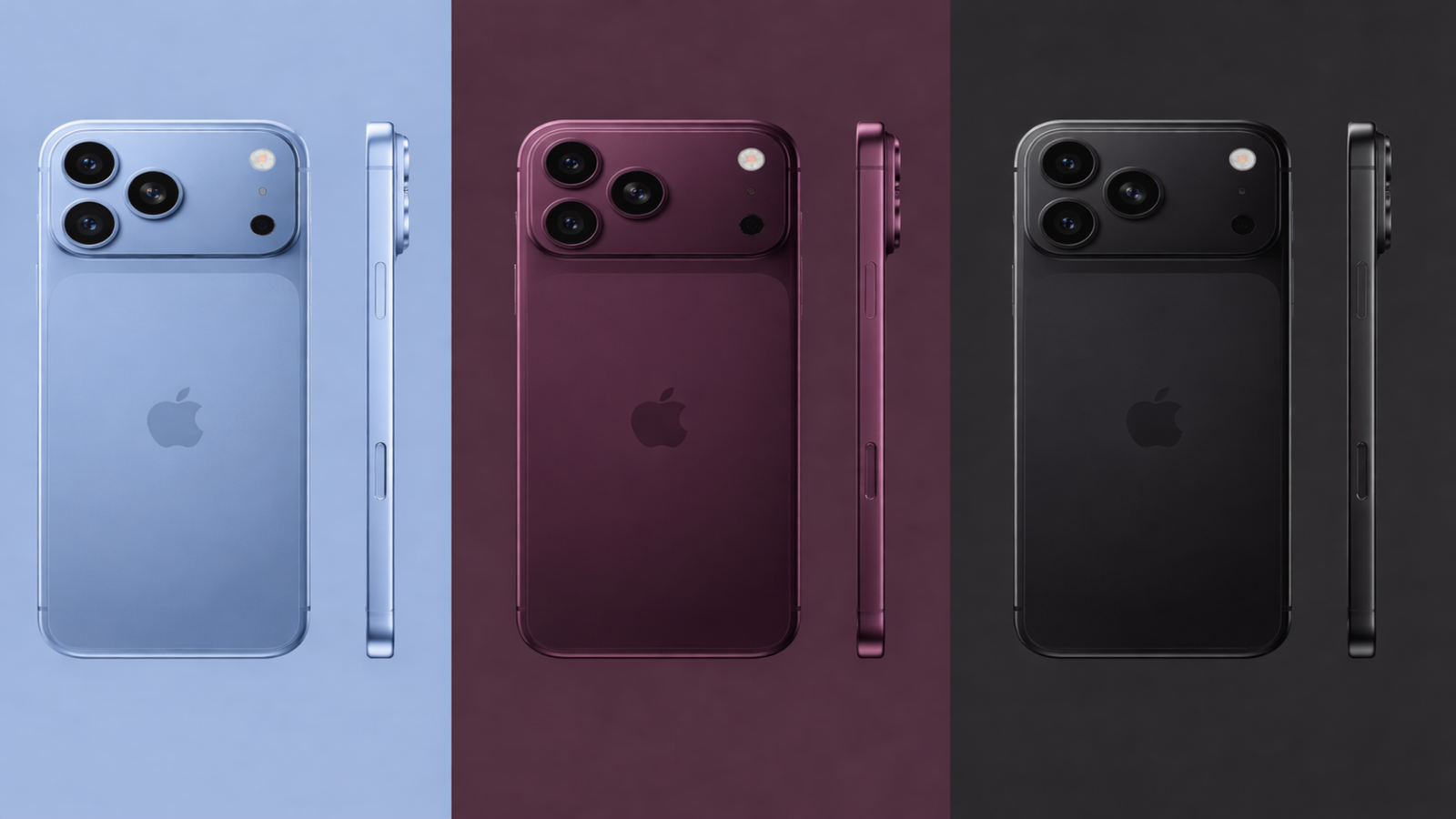
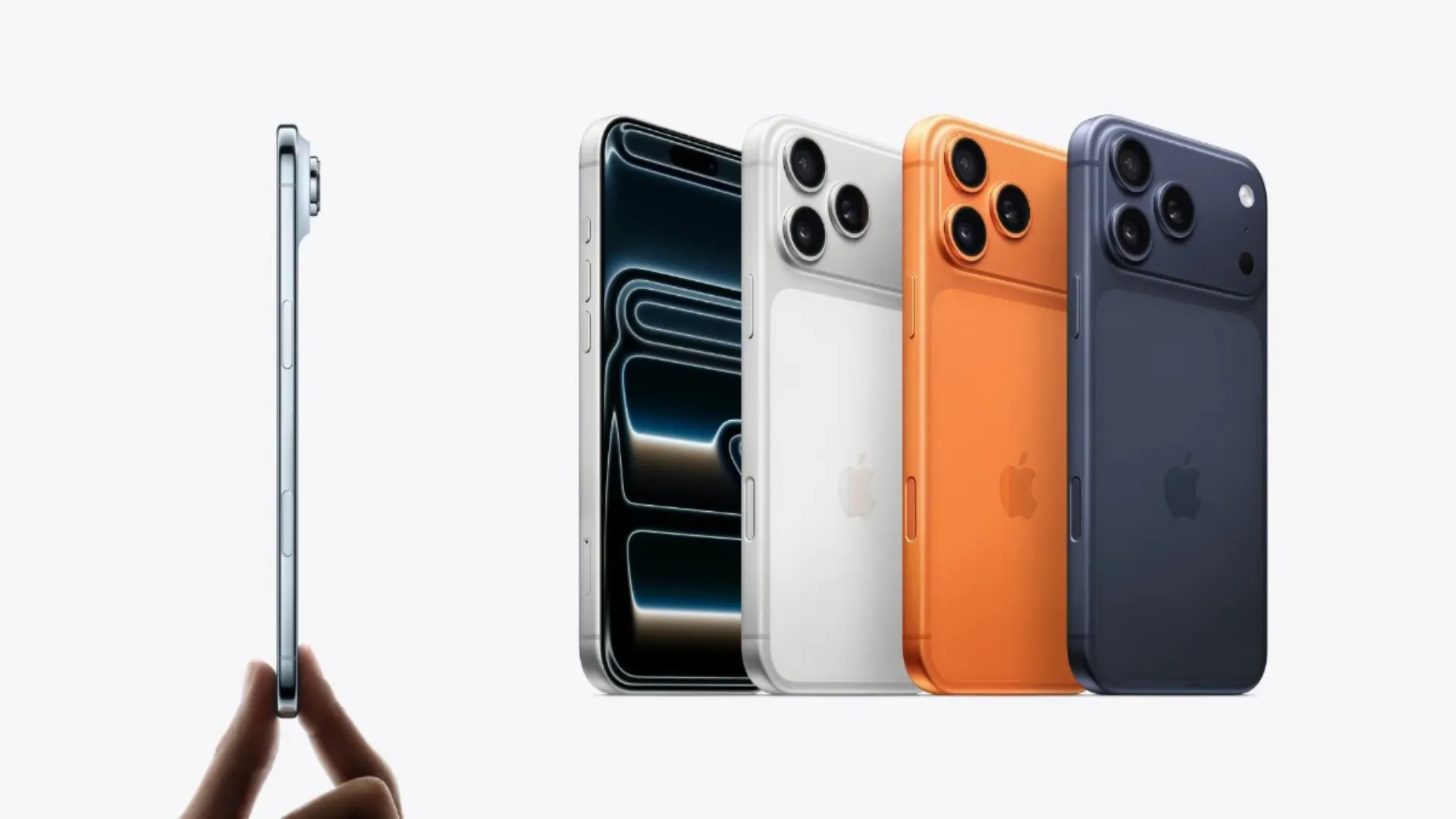
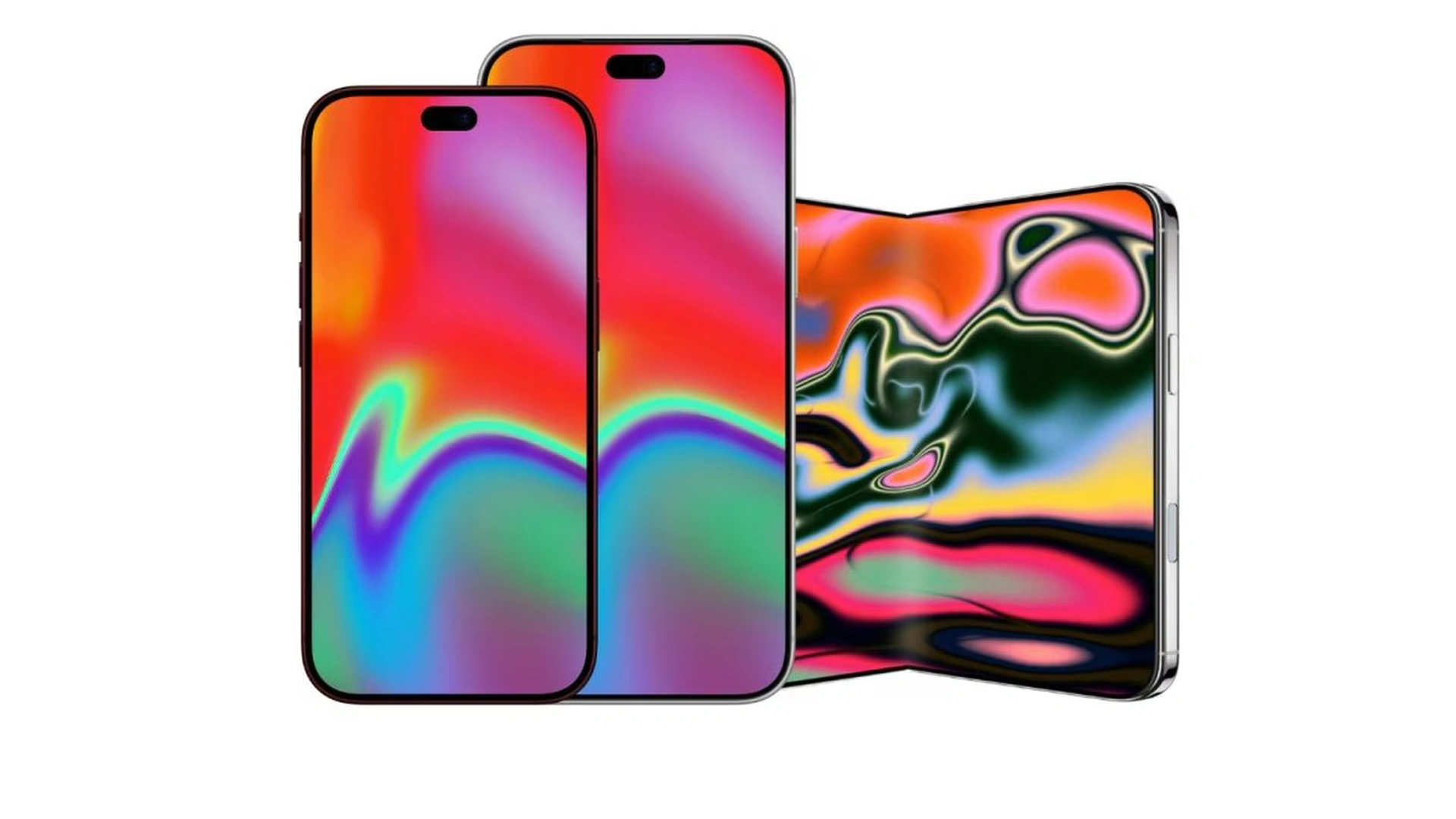
The iPhone, in particular, became a defining moment in the company’s history. It did not just introduce a new device but fundamentally changed how people interact with technology. By integrating communication, computing, and entertainment into a single product, Apple helped make smartphones an essential part of everyday life.
This success was reinforced by a growing ecosystem of devices and services. The introduction of in house M series chips further strengthened Apple’s position, boosting Mac performance and driving renewed interest in its computer lineup.
Financial growth reflects enduring consumer demand
Apple’s financial trajectory mirrors its technological success. The company has emerged as one of the most valuable businesses in the world, with its revenue expected to reach approximately 465 billion dollars in the current fiscal year ending in September.
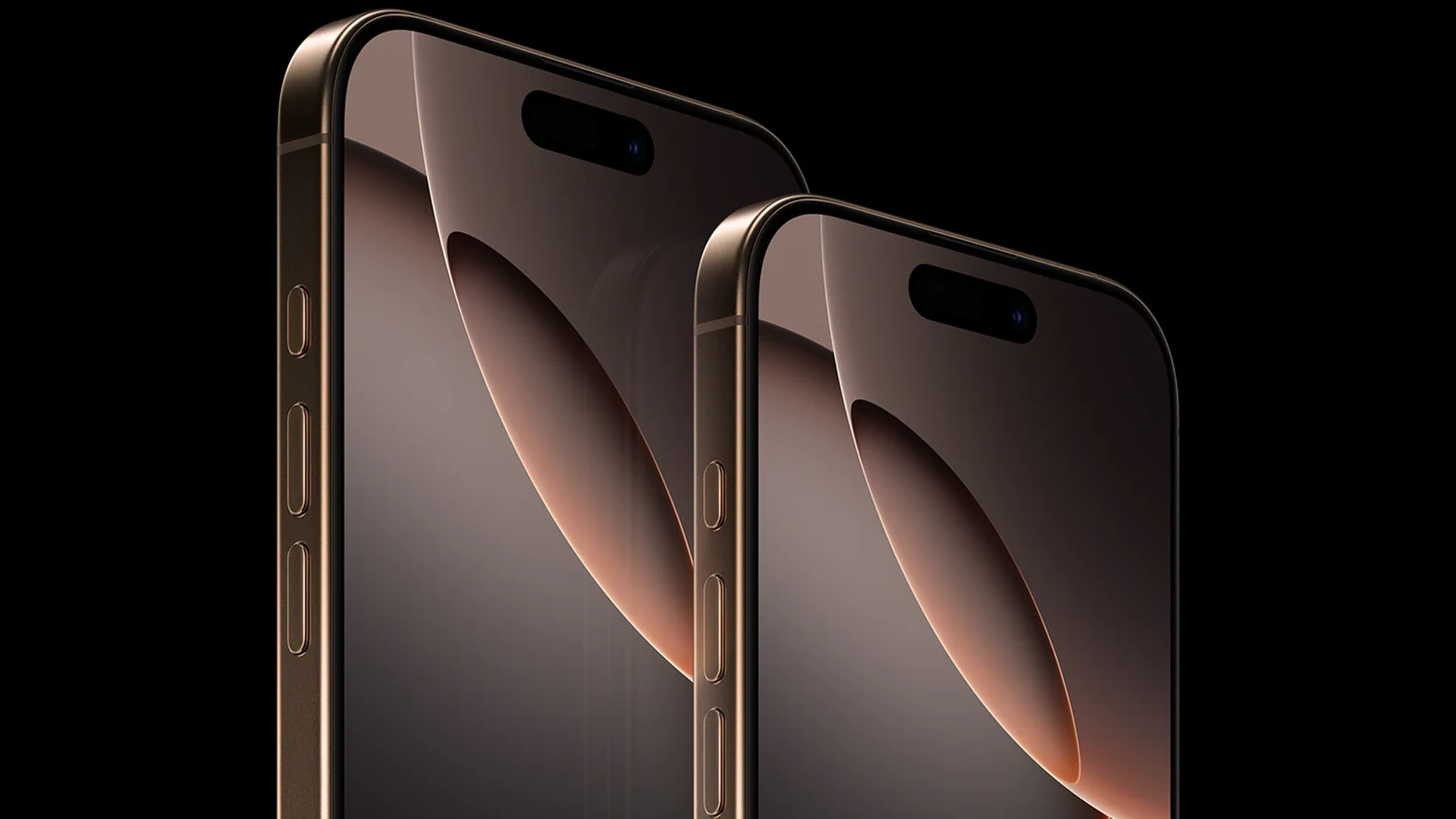
Strong demand for the latest iPhone 17 series has played a significant role in sustaining this growth. At the same time, Apple has expanded its reach by offering more accessible products such as the MacBook Neo, its most affordable laptop to date, which has seen a strong market response.
This consistent demand highlights Apple’s ability to balance premium innovation with broader accessibility, ensuring it remains relevant across different consumer segments.
Services emerge as a powerful engine of growth
While hardware remains central to Apple’s identity, its services segment has become an increasingly important pillar of its business. Platforms such as the App Store, Apple Music, and its streaming offerings generate recurring revenue through subscriptions and commissions.
This shift has provided Apple with a steady and predictable income stream, reducing its dependence on hardware cycles. However, it has also brought challenges, including high profile legal and regulatory disputes. Companies like Epic Games have questioned Apple’s control over in app payments, sparking global debates around platform fairness and competition.
Despite these tensions, Apple’s services ecosystem continues to grow, supported by its vast and loyal user base.
Expanding influence in emerging markets reshapes growth strategy
As the smartphone market in the United States reaches saturation, Apple is increasingly looking toward international markets to sustain its growth momentum. China remains a critical region, while emerging markets such as India are becoming key contributors to revenue.
This geographic diversification reflects a broader strategic shift. By tailoring its offerings and pricing strategies, Apple aims to capture new users in rapidly growing economies while maintaining its premium brand image.
The company’s expanding global footprint underscores its adaptability in an ever changing market landscape.
The AI challenge raises questions about the future
Despite its strong foundation, Apple now faces one of the most significant challenges in its history: the rise of artificial intelligence. Competitors such as Alphabet and Microsoft are investing heavily in AI technologies, spending tens of billions of dollars to establish leadership in this rapidly evolving field.
Since the launch of ChatGPT in November 2022 by OpenAI, the competitive landscape has shifted dramatically. Apple’s stock performance has lagged behind some of its peers, raising concerns among investors about its readiness to compete in the AI era.
Although Apple has integrated machine learning capabilities into its chips since 2017, analysts point to delays in delivering consumer facing AI features. A revamped version of Siri, long anticipated as a major upgrade, has yet to fully materialize, adding to perceptions that Apple may have underestimated the pace of AI adoption.
Adding to the pressure, companies like OpenAI are exploring AI powered devices that could potentially challenge the dominance of smartphones, a category Apple has long led.
Enduring strengths continue to define Apple’s identity
Even as new challenges emerge, Apple’s core strengths remain intact. Its integrated ecosystem, which tightly connects hardware, software, and services, continues to deliver a user experience that competitors struggle to replicate.
The company’s ability to create products that resonate emotionally with users has been a defining factor in its success. From the iPod to the Apple Watch and Vision Pro, Apple has consistently introduced devices that shape consumer expectations and set industry benchmarks.
Technology analyst Ben Thompson recently noted that Apple’s first fifty years were marked by a lack of true competition to its integrated model. The next phase, however, may depend on how compelling artificial intelligence becomes and whether new players can replicate or surpass Apple’s approach.
A legacy built on innovation, a future yet to be defined
As Apple celebrates its 50th anniversary, it stands at a crossroads. Its journey from a garage startup to a global leader is a testament to the power of vision, design, and relentless innovation.
Yet the road ahead is far from certain. The rise of artificial intelligence represents both an opportunity and a threat, challenging Apple to once again reinvent itself in a rapidly changing technological landscape.
History suggests that Apple thrives under pressure. Whether it can extend its legacy into the next era will depend on its ability to adapt, innovate, and deliver experiences that once again redefine what technology can achieve.
For now, Apple remains a symbol of what is possible when creativity meets engineering. The question that will shape its next fifty years is simple but profound: can it lead the future as it once led the past?