A rare security claim that is reshaping trust in device protection
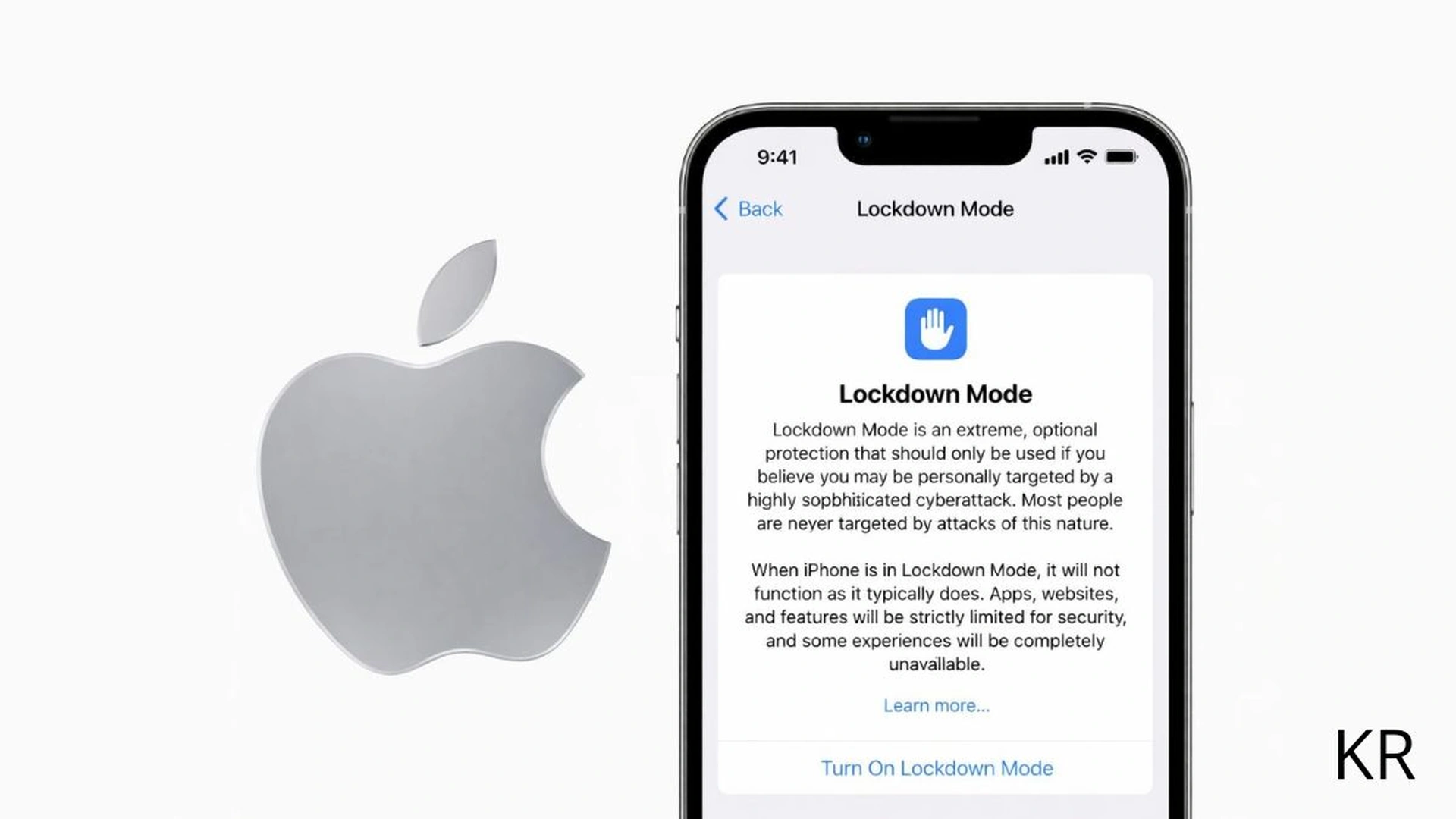
In a significant statement that underscores the growing importance of digital security, Apple has revealed that it has not recorded a single successful spyware attack on devices with Lockdown Mode enabled since the feature was introduced in 2022. The claim, backed by both internal observations and independent research, positions Lockdown Mode as one of the most effective consumer-level defenses against highly targeted cyber threats.
The announcement comes at a time when concerns around surveillance, digital espionage, and mercenary spyware continue to rise globally. Apple’s assertion offers a rare moment of confidence in an industry often defined by vulnerabilities and evolving attack techniques.
Apple stands by its claim of zero successful breaches
According to a statement shared with TechCrunch, Apple confirmed that it is not aware of any instance where spyware has successfully compromised an iPhone, iPad, or Mac running Lockdown Mode. This builds on earlier assurances made shortly after the feature’s debut, where Apple described it as a powerful safeguard against advanced cyberattacks.
The company emphasized that Lockdown Mode was specifically engineered to counter highly sophisticated threats, including those deployed by private surveillance firms. These threats typically target a narrow group of individuals such as journalists, activists, and government officials.
What makes Apple’s claim notable is not just its confidence, but the duration. Nearly four years after its introduction, the absence of confirmed breaches suggests that the feature has consistently held up against evolving spyware techniques.
Independent researchers find no evidence of compromise
Apple’s position is further strengthened by the absence of contradictory findings from the cybersecurity community. Researchers and organizations that actively track spyware campaigns have not reported any confirmed cases where Lockdown Mode was bypassed.
In fact, some investigations have shown that spyware attempts were actively blocked when Lockdown Mode was enabled. In at least one documented case, the malicious software reportedly stopped functioning after detecting that the feature was active on the target device.
This alignment between Apple’s internal data and independent research adds credibility to the claim and highlights the robustness of the security model.
Understanding how Lockdown Mode reduces risk
Lockdown Mode operates on a straightforward yet highly effective principle: reduce the number of ways an attacker can interact with a device. By limiting functionality, it minimizes potential entry points that spyware typically exploits.
When activated, the feature imposes strict restrictions on various system operations. These include limiting message attachments, disabling certain web technologies, and blocking specific incoming connection requests. While these changes may slightly impact user convenience, they significantly strengthen the device’s defensive posture.
Security experts often refer to this approach as reducing the "attack surface." With fewer pathways available, attackers are forced to rely on more complex and less reliable methods, increasing the likelihood of failure.
Designed for high risk users but relevant for all
Although Lockdown Mode is primarily intended for individuals at higher risk of targeted attacks, its success has broader implications. The feature demonstrates that aggressive security measures, when thoughtfully implemented, can effectively counter even the most advanced threats.
Journalists covering sensitive topics, activists operating in restrictive environments, and officials handling critical information are among those who benefit most directly. However, the underlying principle of minimizing exposure applies to all users in an increasingly connected world.
As cyber threats become more sophisticated, features like Lockdown Mode may influence how future devices are designed, potentially bringing stronger protections to a wider audience.
The broader cybersecurity landscape and Apple’s approach
Over the years, multiple reports have exposed the use of spyware targeting Apple devices. These tools often exploit previously unknown vulnerabilities, making them difficult to detect and prevent. Apple’s response has been to invest heavily in proactive security features rather than relying solely on reactive fixes.
Lockdown Mode represents a shift in strategy. Instead of waiting for threats to emerge, it anticipates them by limiting functionality in advance. This preventive approach aligns with a growing consensus among cybersecurity experts that reducing complexity can enhance security.
At the same time, Apple has acknowledged that the possibility of undetected attacks cannot be entirely ruled out. However, the absence of verified cases over several years suggests that such scenarios, if they exist, are extremely rare.
Why this milestone matters in today’s digital world
Apple’s claim is more than just a technical achievement. It highlights a broader lesson about the importance of security focused design in consumer technology. As devices become central to personal and professional life, the stakes associated with data breaches continue to rise.
The success of Lockdown Mode sends a clear message: strong, proactive security measures can make a meaningful difference. It also raises expectations for other technology companies to prioritize user safety at a similar level.
For users, the development serves as a reminder that security features are only effective when actively used. Lockdown Mode is optional, and its benefits are realized only when individuals choose to enable it.
A rare example of sustained defense against advanced threats
In an industry where headlines often focus on vulnerabilities and breaches, Apple’s Lockdown Mode stands out as a rare example of sustained success. The combination of internal validation and independent confirmation provides a compelling case for its effectiveness.
While no system can ever be declared completely immune to attacks, the evidence so far suggests that Lockdown Mode has set a new benchmark in device security. Its performance over the past four years offers a glimpse into what the future of cybersecurity could look like when protection is built into the core of technology.
As digital threats continue to evolve, one thing is clear: the balance between usability and security will remain a defining challenge. For now, Apple’s Lockdown Mode appears to have struck that balance in a way that few others have managed.