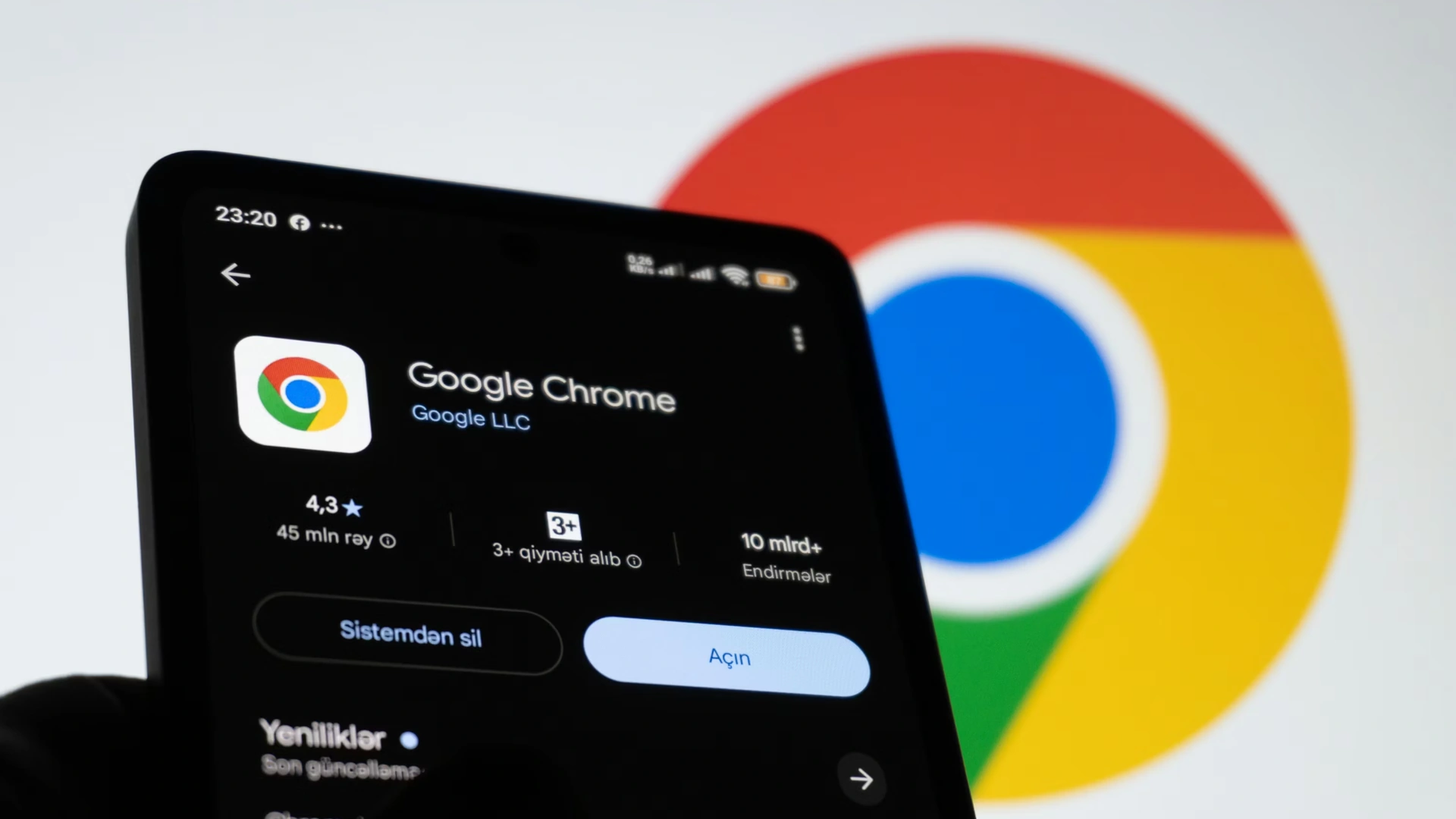
Google has issued a critical security alert for its Chrome browser after confirming a new zero day vulnerability that is already being exploited in the wild. The warning affects an estimated 3.5 billion users worldwide, making it one of the most significant browser security concerns of 2026 so far.
The newly identified flaw, tracked as CVE 2026 5281, is a high severity vulnerability that attackers are actively using before most users have received the necessary security update. While Google has begun rolling out a fix, the company has cautioned that the update may take days or even weeks to reach all devices automatically.
A Dangerous Zero Day Already Exploited In Real World Attacks
Zero day vulnerabilities are among the most serious threats in cybersecurity because they are exploited before developers can fully patch them across all systems. In this case, Google has confirmed that CVE 2026 5281 is already being used by attackers, giving them a significant advantage.
The flaw is classified as a use after free memory vulnerability. This type of issue occurs when a program continues to use memory after it has been released, potentially allowing attackers to manipulate the system. In Chrome, the vulnerability impacts the Dawn WebGPU component, a cross platform feature used for advanced graphics processing in web applications.
Security researchers warn that successful exploitation could lead to data corruption, browser crashes, and in more serious cases, remote code execution. This means attackers could run malicious code on a user’s system simply by tricking them into visiting a specially crafted web page.
Limited Technical Details To Prevent Further Abuse
As is standard practice in such cases, Google has restricted detailed technical information about the vulnerability. This is done to prevent cybercriminals from using publicly available data to develop more sophisticated attacks before users are protected.
A member of the Chrome security team confirmed that access to bug details will remain limited until a majority of users have installed the update. While this approach helps reduce immediate risk, it also highlights the urgency for users to update their browsers manually rather than waiting.
Rising Trend Of Chrome Zero Day Vulnerabilities In 2026
The latest incident marks the fourth zero day vulnerability patched in Chrome during the first quarter of 2026 alone. Earlier vulnerabilities included CVE 2026 2441 in February and two additional flaws, CVE 2026 3909 and CVE 2026 3910, discovered in March.
To put this into perspective, Google addressed a total of eight zero day vulnerabilities throughout all of 2025. The sharp increase in early 2026 suggests that browser based attacks are becoming more frequent and more sophisticated.
Cybersecurity experts believe this trend reflects both the growing complexity of modern browsers and the increasing value of browser exploits in cybercrime operations. With Chrome being the most widely used browser globally, it remains a prime target for attackers.
Security Update Fixes Zero Day And 20 Additional Vulnerabilities
Google has released a new security update that not only patches CVE 2026 5281 but also addresses 20 additional vulnerabilities. Many of these issues are also considered high risk, further underlining the importance of updating immediately.
However, the staggered rollout means not all users will receive the update at the same time. Automatic updates are designed to ensure stability, but they can delay critical fixes reaching end users during active threat scenarios.
This delay creates a window of opportunity for attackers, especially when exploits are already circulating online.
How Attackers Can Exploit The Vulnerability
According to vulnerability databases and early analysis, attackers can exploit CVE 2026 5281 through a crafted HTML page. This means a user could become a target simply by visiting a malicious website or clicking on a harmful link.
Once triggered, the vulnerability may allow attackers to execute arbitrary code within the browser environment. Depending on the system configuration, this could lead to deeper system compromise, data theft, or installation of malware.
The simplicity of the attack vector makes it particularly dangerous, as it does not require advanced user interaction.
Why Immediate Action Is Strongly Recommended
Although Chrome typically updates automatically, relying solely on background updates during an active zero day threat is risky. Cybersecurity experts consistently advise users to manually check for updates in such situations.
Manually updating ensures that the latest security patch is applied immediately, reducing exposure to ongoing attacks. Given the scale of this vulnerability and confirmed exploitation, delaying action could leave systems unprotected.
How To Update Chrome Right Now
Updating Chrome manually is straightforward and takes only a few moments. Users can open the browser menu, navigate to the Help section, and select the About Chrome option. The browser will automatically check for updates and begin installing the latest version if it is not already applied.
Once the update is downloaded, a restart is required to complete the installation. After restarting, users will be protected not only from CVE 2026 5281 but also from the additional vulnerabilities addressed in the same release.
A Wake Up Call For Browser Security Awareness
This latest zero day alert serves as a reminder of how critical browser security has become in the modern digital landscape. With billions of users relying on Chrome for everyday activities, even a single vulnerability can have widespread consequences.
The increasing frequency of zero day exploits highlights the need for users to stay vigilant, keep software updated, and avoid interacting with unknown or suspicious links.
While Google has acted quickly to release a fix, the responsibility to apply that protection ultimately lies with users. In an environment where threats evolve rapidly, timely updates remain one of the most effective defenses against cyberattacks.
Conclusion
The discovery and active exploitation of CVE 2026 5281 underline the growing risks associated with modern web browsing. As attackers continue to target widely used platforms like Chrome, rapid response and user awareness are more important than ever.
For now, the safest course of action is clear: update Chrome immediately and ensure your system is running the latest secure version. In cybersecurity, even a small delay can make a significant difference.