Apple prepares to enter the foldable race with bold ambitions
The global smartphone market is on the brink of a defining moment as Apple prepares to introduce its first foldable iPhone in late 2026. This long anticipated entry places the company directly against Samsung, a brand that has spent years refining its foldable lineup and is expected to launch the Galaxy Z Fold 8 months earlier.
The competition is not merely about hardware. It represents a clash of philosophies. Samsung brings maturity, iteration, and engineering experience. Apple brings precision, ecosystem control, and the ability to redefine categories at launch. Early leaks suggest that this rivalry could reshape the premium smartphone segment.
Design and build quality may become the defining battlefield
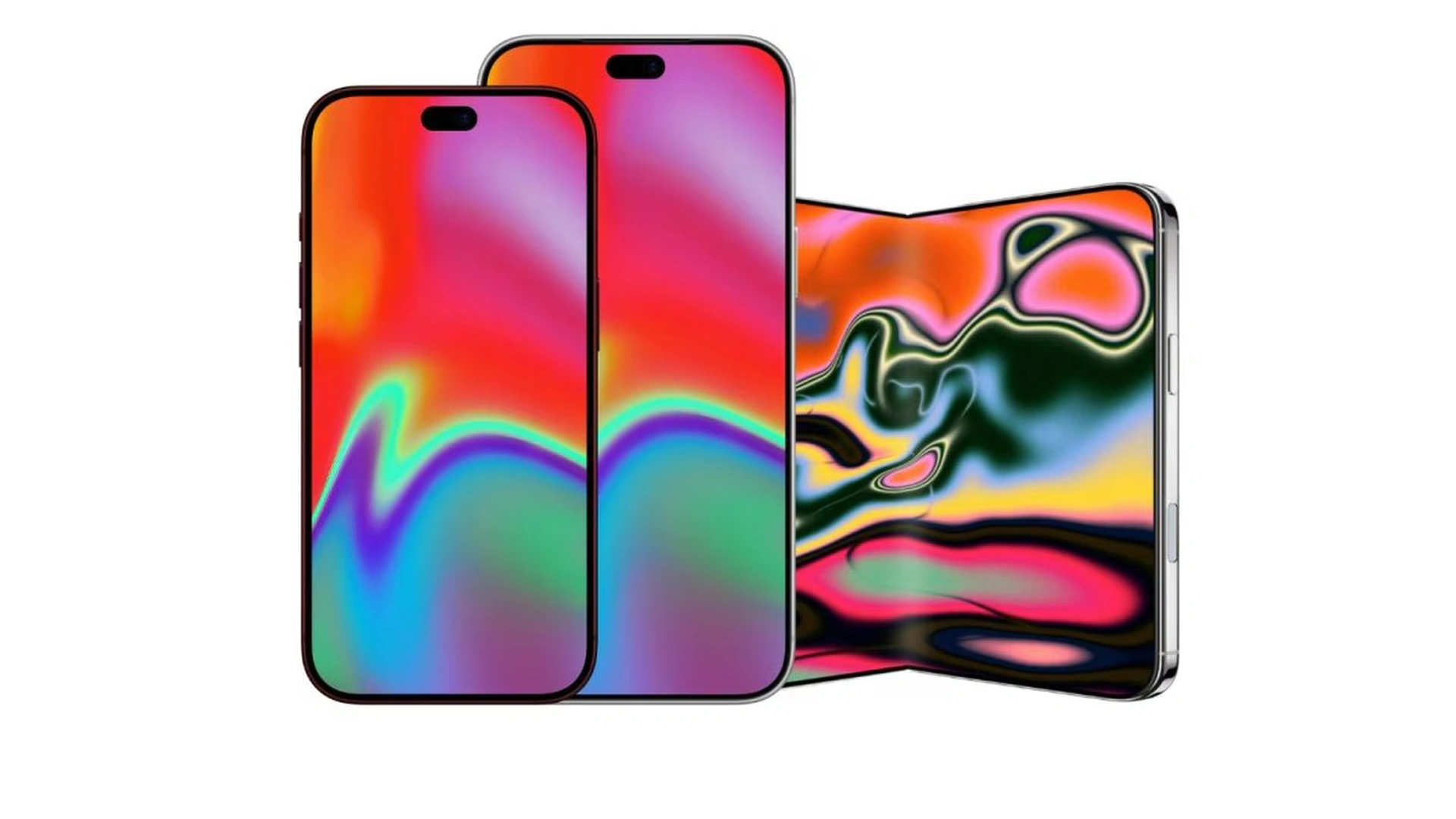
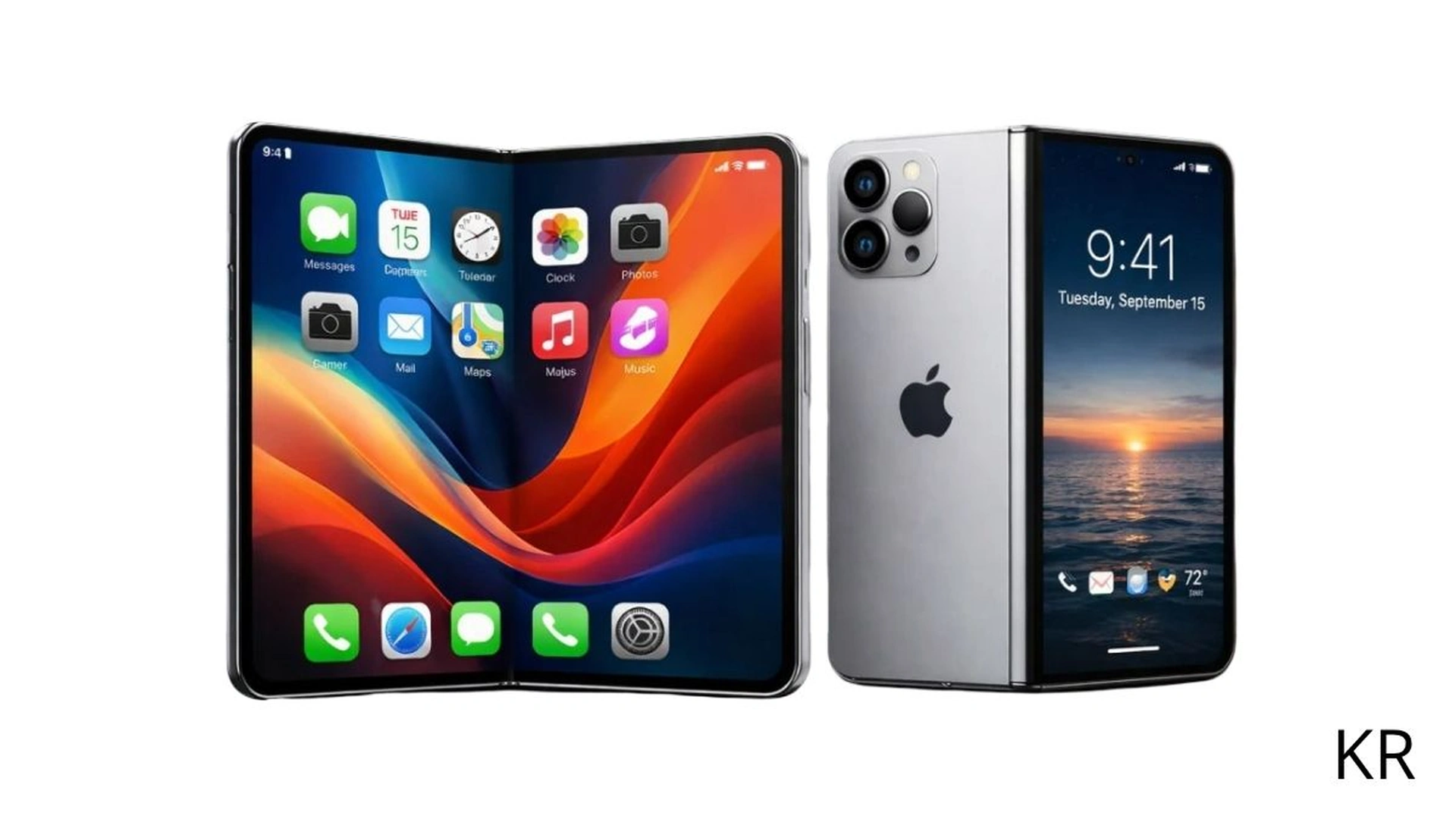
Apple’s foldable device, often referred to as the iPhone Fold or iPhone Ultra, is expected to adopt a book style design similar to existing foldables. Reports indicate a 7.8 inch inner OLED display paired with a 5.5 inch outer screen. The device could measure around 9 to 9.5 mm when folded and as thin as 4.5 to 4.8 mm when opened.
What stands out is Apple’s focus on eliminating one of the biggest drawbacks of foldables: the visible crease. The company is believed to be investing in advanced ultra thin glass technology and coating techniques to achieve a near crease free display. If successful, this alone could set a new benchmark for the category.
Samsung, however, is not standing still. The Galaxy Z Fold 8 is expected to feature an 8 inch internal display and a 6.5 inch outer screen. Improvements may include a dual ultra thin glass structure supported by reinforced materials designed to reduce creasing further. There are also rumors of a wider variant with a more square aspect ratio, aimed at enhancing productivity and competing directly with tablet like experiences.
Performance and battery life could tip the scales
Battery performance remains one of the most critical factors for foldable devices, and both companies appear to be addressing it aggressively.
Apple’s foldable iPhone is rumored to include a battery capacity between 5000 and 5800 mAh. Combined with a next generation A20 Pro chip built on a 2 nm process, the device could deliver impressive efficiency gains. Apple’s tight integration between hardware and software may further extend battery life in real world usage.
Samsung’s Galaxy Z Fold 8 is expected to feature a battery close to 5000 mAh, along with faster 45W wired charging. While Samsung may lead in charging speed, Apple could hold an advantage in endurance due to optimization at the system level.
This contrast reflects a familiar pattern. Samsung pushes hardware capabilities, while Apple focuses on efficiency and long term performance consistency.
Camera systems reflect two distinct philosophies
The camera approach between the two devices highlights a clear difference in strategy.
Apple is expected to equip its foldable with a dual rear camera setup, likely featuring two 48 MP sensors. The focus will be on computational photography, delivering consistent image quality across lighting conditions. Dual front facing cameras may allow seamless use whether the device is folded or unfolded.
Samsung is likely to take a more hardware driven route. The Galaxy Z Fold 8 could feature a triple camera system, including a 200 MP main sensor, a 50 MP ultrawide lens, and a 10 MP telephoto camera with optical zoom. This setup would offer greater flexibility for users who prioritize zoom and versatility.
In simple terms, Apple aims for refined output, while Samsung aims for maximum capability.
Software experience may decide the winner
Beyond hardware, software could ultimately determine which device resonates more with users.
Apple is expected to introduce a version of iOS specifically optimized for foldable devices. Features such as advanced split screen multitasking, drag and drop functionality, and seamless app continuity are likely to be central to the experience. Apple’s ecosystem, including integration with tablets and laptops, could further enhance productivity.
Samsung’s One UI on Android has already evolved significantly for foldables. It offers multi window support, a persistent taskbar, and desktop like functionality. However, challenges around app optimization and fragmentation still persist across the Android ecosystem.
Apple’s strength lies in consistency and developer alignment, while Samsung benefits from flexibility and a broader app environment.
Durability remains a shared concern
Foldable devices continue to face scrutiny over durability, and both companies are working to address these concerns.
Apple is expected to use a titanium chassis along with advanced hinge mechanisms to improve strength while maintaining a slim profile. There are also indications of improved resistance to dust, an area where foldables have historically struggled.
Samsung has steadily improved durability across its foldable generations, particularly in hinge design and water resistance. However, issues such as crease visibility and long term wear remain points of discussion among users.
Apple’s design may feel more refined, but Samsung’s experience gives it a practical edge in real world durability testing.
Pricing strategy will shape consumer decisions
Both devices are expected to sit firmly in the ultra premium category.
The foldable iPhone could start above 2000 US dollars, positioning it as one of the most expensive smartphones ever released. Samsung’s Galaxy Z Fold 8 is likely to launch at a similar or slightly lower price, supported by trade in programs and promotional offers.
Despite the high cost, Apple may still see strong demand. Early projections suggest the company could ship millions of units, driven by brand loyalty and curiosity around its first foldable device.
Samsung, on the other hand, benefits from an established supply chain and years of consumer feedback, which could help it maintain steady sales.
A pivotal moment for the future of smartphones
As 2026 approaches, the competition between Apple and Samsung is expected to intensify. Both companies are pushing the boundaries of design, performance, and user experience in ways that could define the next era of smartphones.
For consumers, the choice will depend on priorities. Those seeking immediate availability, versatile cameras, and Android flexibility may lean toward Samsung. Those willing to wait for a more refined ecosystem, potentially better battery life, and a cleaner display experience may prefer Apple.
At this stage, neither device can be declared the definitive winner. Apple’s first foldable shows immense promise, but it also carries the risks associated with a first generation product. Samsung’s Galaxy Z Fold 8 represents evolution, not revolution, but that evolution is backed by years of real world usage.
What remains certain is that this rivalry will accelerate innovation across the industry. Thinner designs, better batteries, and more seamless multitasking are no longer optional. They are the new standard.
The foldable smartphone market is entering a new chapter, and the outcome of this battle could shape its direction for years to come.