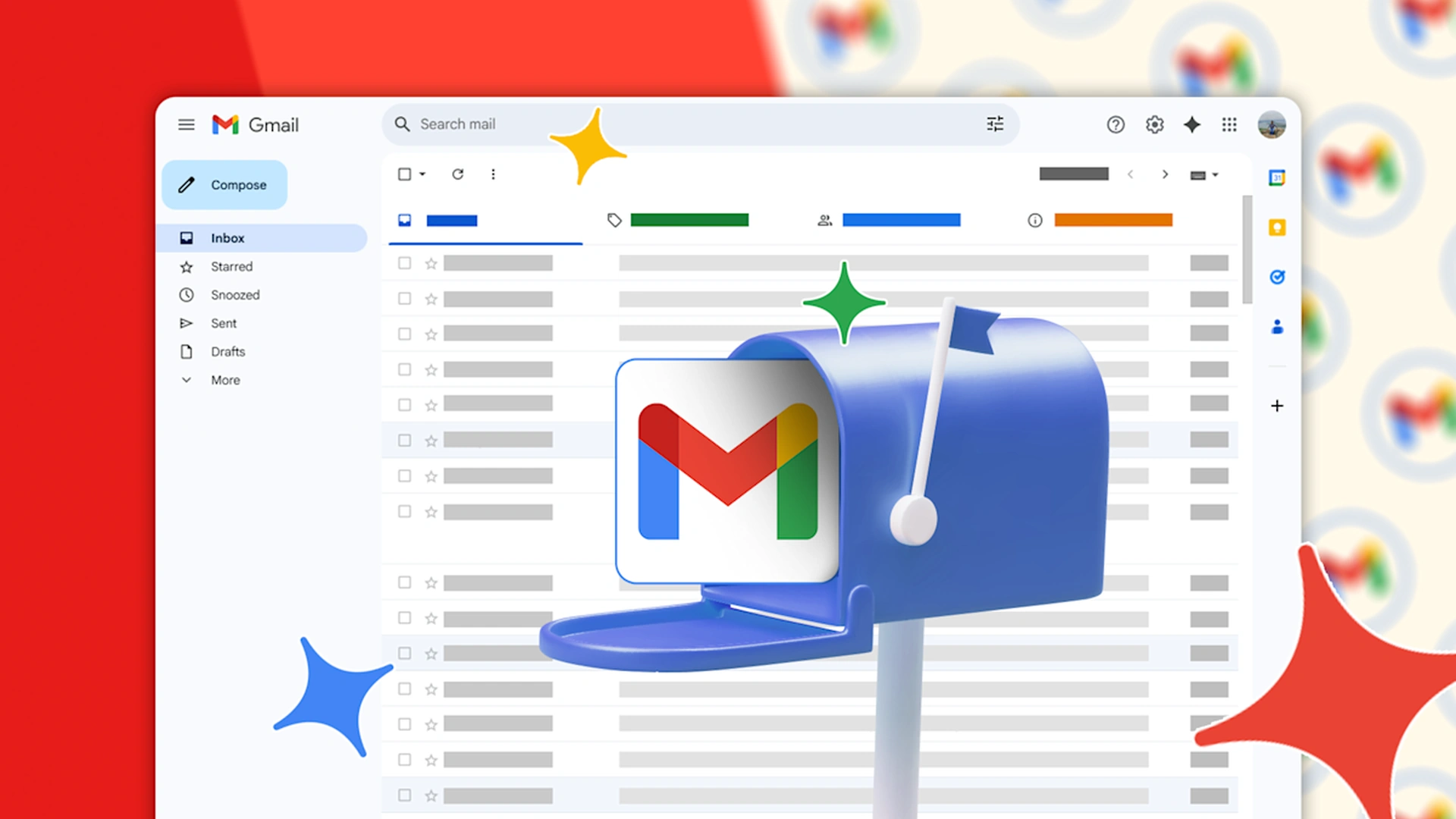
In a major shift that redefines how users manage their digital identity, Google has officially introduced the ability to change primary Gmail addresses. The long requested feature is now rolling out to users in the United States, marking a significant evolution in how Google Accounts function across its ecosystem.
For years, Gmail users were locked into the email address they created at sign up. While workarounds like aliases and secondary accounts existed, the inability to modify the core username remained a limitation. With this update, Google has addressed that concern directly, offering flexibility without compromising account data or history.
A Fundamental Change in Google Account Identity Management
The newly introduced feature allows users to modify the portion of their email address that appears before “@gmail.com”. This means individuals can now adopt a new username while retaining access to all existing Google services tied to their account.
Importantly, this is not a superficial change. The update applies universally across the entire Google ecosystem, including Gmail, Google Drive, Google Photos, Google Calendar, and more. All associated data such as emails, files, contacts, subscriptions, and purchase history remain intact.
This development represents a notable departure from Google’s earlier policy, where primary Gmail addresses were permanent and unchangeable once created.
Old Email Becomes Alias, Ensuring Continuity
One of the most practical aspects of the update is how Google handles the previous email address. Instead of deactivating it, the company converts the old address into an alias.
This ensures that:
Emails sent to the old address will still be delivered
Users can continue using the old address for sign in
No communication or account access is disrupted
This seamless transition reduces the risk typically associated with changing an email identity, especially for users who have relied on the same address for years.
Limited Frequency with Long Term Flexibility
Google has placed certain limits on how often users can modify their Gmail address. According to the company:
Users can change their Gmail address once every 12 months
A maximum of three changes is allowed overall
These restrictions appear designed to balance flexibility with security and account stability. Frequent changes could otherwise lead to confusion or potential misuse.
Additionally, users retain the option to revert to a previously used address if needed, offering an added layer of control.
Designed for Modern Identity Needs
The feature is expected to benefit a wide range of users. Many individuals created their Gmail accounts years ago, often using informal or outdated usernames. As professional and personal needs evolve, those early choices may no longer reflect current identity or branding.
With this update, users can:
Transition to more professional email IDs
Align their email with personal branding or business identity
Correct outdated or irrelevant usernames
This move acknowledges the growing importance of digital identity in both personal and professional environments.
Step by Step Process to Change Gmail Address
Google has kept the process relatively straightforward. Users can change their Gmail address directly from their account settings.
Here is how the process works:
Visit myaccount.google.com and sign in
Navigate to the Personal info section
Select Email and then choose Google Account email
Tap or click on Change Google Account email
Enter a new available username
Confirm the change by selecting Yes and completing the instructions
Once the process is completed, the new email address becomes the primary identifier, while the old one remains active as an alias.
Important Considerations Before Switching
While the feature offers clear advantages, Google has cautioned that users may encounter certain issues when switching to a new Gmail address.
Some services and devices may require additional steps, including:
Chromebooks linked to the account
Google Remote Desktop setups
Certain sign in integrations across apps and services
Users are advised to review Google’s official support documentation before making the change, especially if their account is deeply integrated across multiple platforms.
Gradual Rollout Currently Limited to the United States
At present, the feature is being rolled out exclusively to users in the United States. There is no confirmed timeline for a global release, but such updates typically expand gradually.
Google first hinted at this capability in December 2025 through an update to its support documentation. The official rollout now confirms that the feature has moved beyond testing into active deployment.
A Long Awaited Update That Redefines User Control
This update marks one of the most meaningful changes to Gmail in recent years. By allowing users to change their primary email address without losing data, Google is offering a level of control that aligns with modern digital expectations.
For long time users especially, the ability to refresh their email identity without starting from scratch is both practical and empowering.
As the rollout expands beyond the United States, this feature is likely to become a standard expectation across email platforms, setting a new benchmark for user flexibility in account management.
Conclusion
Google’s decision to allow primary Gmail address changes reflects a broader shift toward user centric design. It removes a long standing limitation while preserving continuity, security, and data integrity.
For millions of users who have waited years for this capability, the update is not just a feature addition. It is a fundamental improvement in how digital identity can evolve over time without disruption.