In a significant development that could impact millions of users across India, the government is expected to extend the compliance deadline for its SIM binding directive for messaging platforms. The move comes after several major technology companies flagged technical hurdles in implementing the mandate within the originally specified timeline.
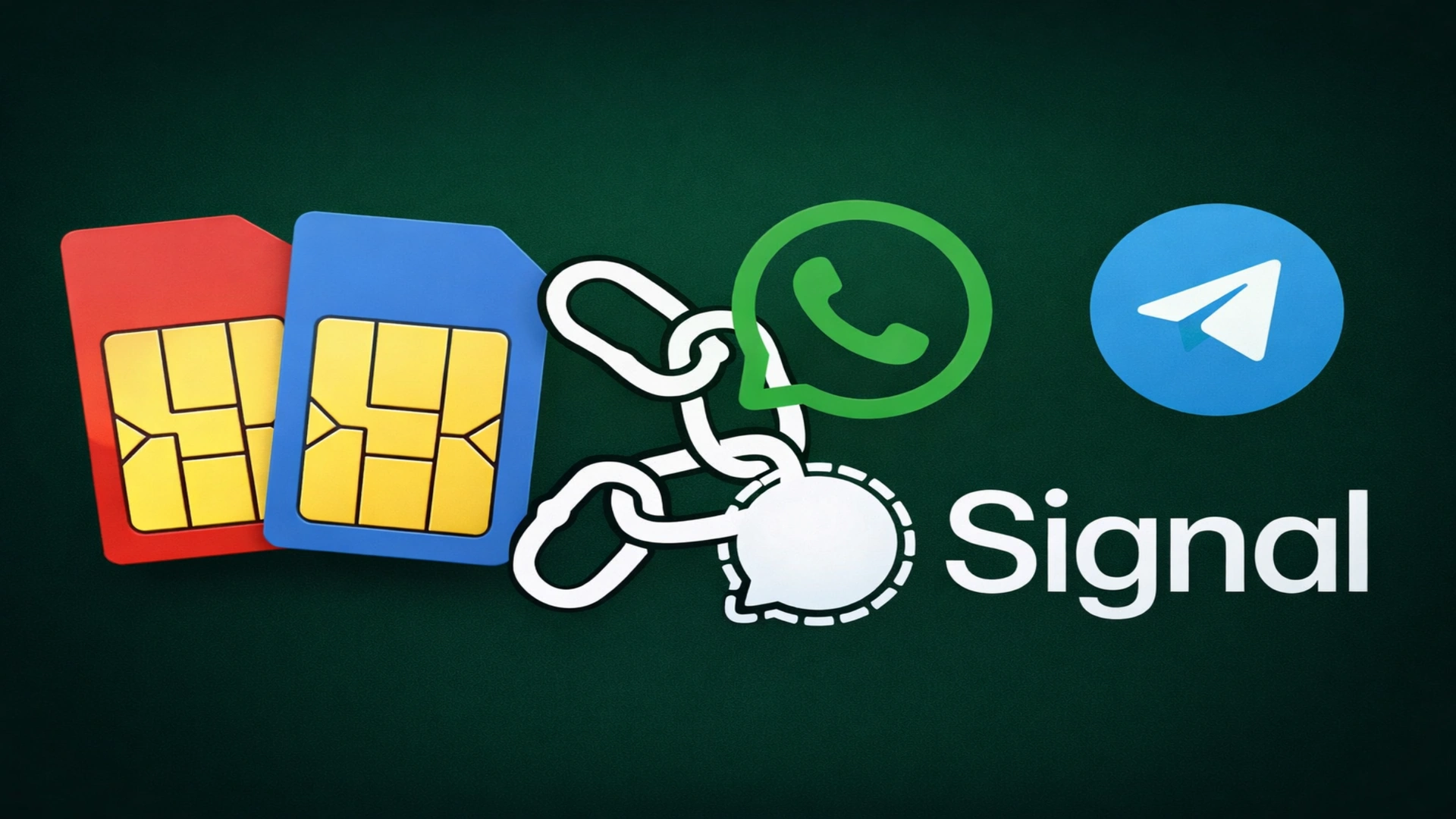
The directive, which applies to widely used messaging services such as WhatsApp, Signal, Telegram, ShareChat and Arattai, is part of a broader push by authorities to strengthen digital security and curb the rising incidence of cyber fraud nationwide.
Government Signals Flexibility as Industry Seeks More Time
Officials from the Department of Telecommunications have acknowledged that companies require additional time to fully implement the changes mandated under the directive. The original deadline, set for February 2026, followed a notification issued in November 2025 that gave firms 90 days to comply and 120 days to submit detailed reports.
However, multiple platforms have been unable to meet these deadlines, citing the complexity of aligning their systems with telecom level verification requirements. As a result, the government is now considering a phased extension, with full compliance potentially pushed to later in the year.
This extension is expected to provide temporary relief to messaging companies while ensuring that the broader objectives of the directive remain intact.
What the SIM Binding Directive Means for Users
At its core, the SIM binding directive requires messaging platforms that rely on mobile numbers for user identification to link their services directly to the SIM card installed in a user’s device. This means that access to such apps would be tightly coupled with an active and valid SIM.
The policy aims to prevent misuse of telecom identities, particularly in cases where fraudulent actors exploit virtual numbers or disconnected SIMs to carry out scams.
Under the proposed system, users may experience additional authentication requirements, especially when accessing messaging services on web or secondary devices. Features such as periodic logouts and mandatory re verification through QR codes could become standard.
These measures are designed to ensure that the account remains tied to a verified telecom identity at all times.
Tackling Cyber Fraud at a National Scale
The directive is part of a broader strategy by Indian authorities to combat cyber fraud, which has seen a sharp rise in recent years. Officials believe that linking messaging platforms more closely with telecom infrastructure will help trace malicious activities more effectively and reduce anonymity for bad actors.
Fraud schemes involving impersonation, phishing and international scam networks have increasingly leveraged messaging apps as a primary channel. By enforcing SIM level verification, the government aims to introduce an additional layer of accountability.
Authorities have emphasized that the directive is not intended to disrupt user experience but to enhance trust and safety in digital communications.
Technical Challenges Slow Down Implementation
Despite the policy’s intent, implementation has proven to be technically demanding for companies. Messaging platforms operate across multiple devices and operating systems, requiring deep integration with both hardware and software ecosystems.
One of the primary challenges lies in maintaining continuous SIM validation across devices, especially in cases where users switch between smartphones, tablets and web based interfaces.
Industry stakeholders have pointed out that achieving seamless SIM binding requires coordination with operating system providers and significant changes to app architecture. This includes developing mechanisms to detect SIM presence, validate user identity in real time and ensure compliance without compromising privacy or performance.
Android May Lead, iOS Faces Constraints
Sources indicate that Android based systems may be able to comply with the directive sooner due to their relatively flexible architecture and broader access to device level information.
On the other hand, iOS platforms are reportedly facing additional constraints. The closed ecosystem and stricter privacy controls on Apple devices make it more challenging to implement continuous SIM verification without extensive system level support.
As a result, messaging companies are working closely with both the government and platform providers to explore feasible solutions. Some features related to SIM binding are already in testing phases, though full scale deployment is still some distance away.
Phased Rollout Expected as Government Balances Security and Feasibility
The government is likely to adopt a phased approach to implementation, allowing companies to roll out features incrementally while addressing technical gaps. This strategy is expected to strike a balance between enforcing security measures and ensuring that services remain stable and accessible.
Officials have indicated that a formal announcement regarding the deadline extension may be made soon. The revised timeline will likely include clear milestones for partial and full compliance.
At the same time, industry stakeholders are continuing to engage with policymakers to refine the directive and address operational concerns.
Industry and Policy at a Crossroads
The SIM binding directive represents a critical intersection between technology, policy and user privacy. While the need to combat cyber fraud is widely acknowledged, the path to implementation requires careful consideration of technical feasibility and user experience.
Messaging platforms, which have become an integral part of daily communication, must now adapt to a more regulated environment. The coming months will be crucial in determining how effectively these changes can be introduced without disrupting services.
What Lies Ahead for Users and Platforms
For users, the changes may translate into stricter authentication processes and closer integration between their mobile number and messaging accounts. While this could introduce minor inconveniences, it is expected to significantly enhance security.
For companies, the extended timeline offers an opportunity to build robust systems that comply with regulatory requirements while maintaining performance and privacy standards.
As the government moves forward with its digital security agenda, the SIM binding directive is poised to become a defining step in reshaping how communication platforms operate in India.
Conclusion
The expected extension of the SIM binding deadline highlights the challenges of implementing large scale regulatory changes in a complex digital ecosystem. While the directive underscores the government’s commitment to tackling cyber fraud, its success will depend on collaboration between regulators, technology companies and platform providers.
With phased compliance on the horizon, India is set to take a significant step toward a more secure digital communication landscape, even as the industry works to overcome the technical barriers that stand in the way.