Samsung’s latest flagship introduces privacy focused innovation but raises questions on display performance
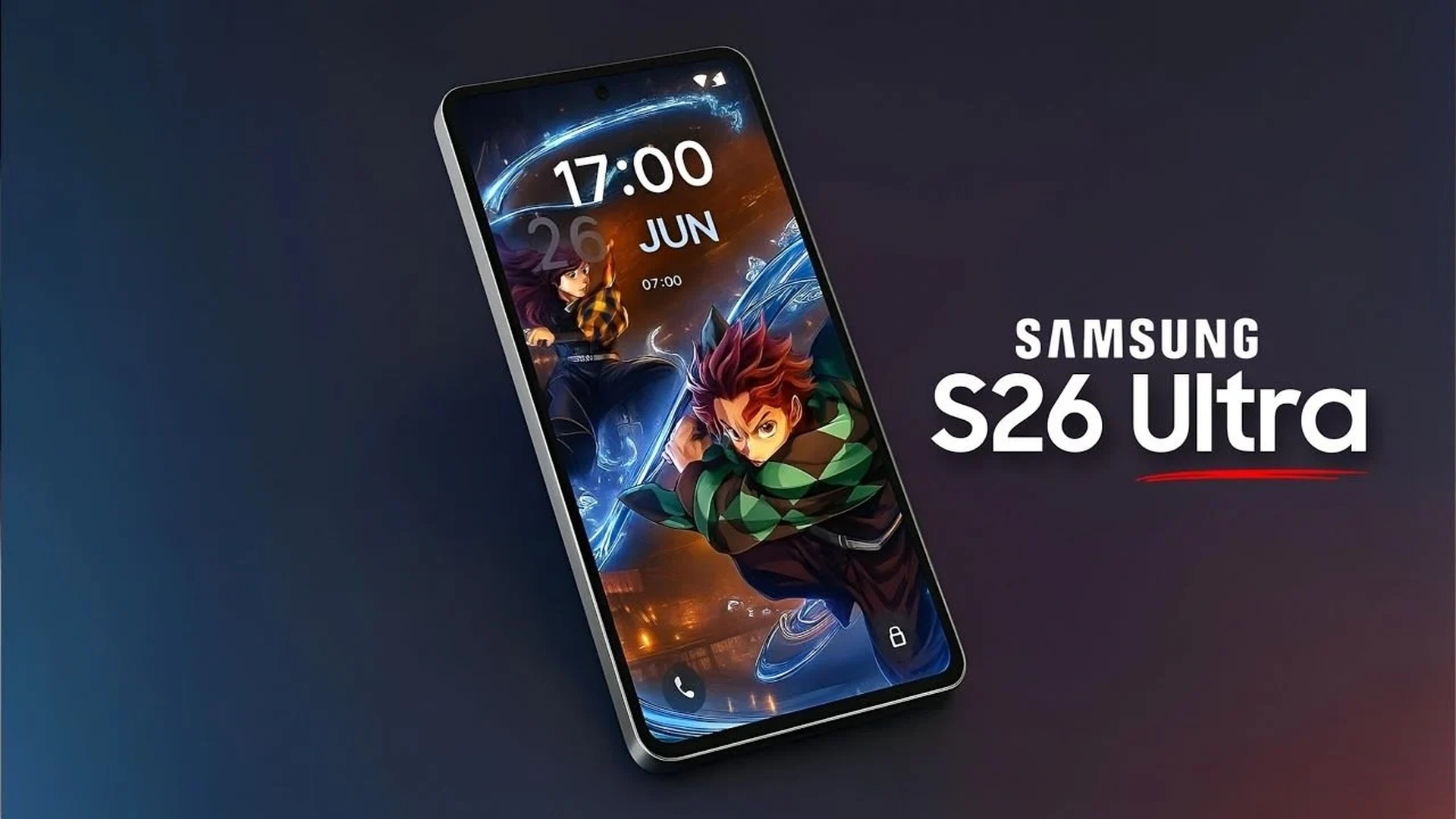
Samsung’s newest premium smartphone, the Galaxy S26 Ultra, is drawing attention not just for its flagship features but for a subtle yet important change in its display performance. According to recent reports and company confirmation, the device shows slightly lower brightness compared to its predecessor, the Galaxy S25 Ultra, under certain viewing conditions. This change is directly linked to Samsung’s newly introduced Privacy Display technology, which aims to enhance user confidentiality.
While the innovation highlights Samsung’s push toward user centric design, it also introduces a trade off that could influence how users perceive display quality in real world usage.
Privacy Display Technology Brings Security First Approach
The Galaxy S26 Ultra introduces a new Privacy Display feature designed to prevent onlookers from viewing the screen when it is observed from side angles. This technology reduces visibility for anyone not directly in front of the display, making it particularly useful in public spaces such as public transport, offices, or crowded environments.
Samsung explained that the feature ensures a vivid viewing experience during normal usage while limiting off angle visibility. However, this functionality inherently affects brightness levels when the device is viewed from certain positions.
In an official clarification shared after initial reports, Samsung stated that slight variations in brightness and color may occur when the device is held at angles or when maximum brightness is enabled. The company emphasized that the impact on everyday usage remains minimal when the phone is viewed directly.
Noticeable Brightness Difference in Side by Side Testing
Independent benchmark tests and side by side comparisons have indicated that the Galaxy S26 Ultra appears dimmer than the Galaxy S25 Ultra under specific conditions. This is particularly noticeable when both devices are set to peak brightness and viewed from an angle rather than head on.
The S26 Ultra features a large 6.9 inch display, continuing Samsung’s tradition of offering expansive screens in its Ultra series. However, reviewers observed that when compared directly, the newer model shows reduced brightness intensity and slight differences in color density in off axis viewing scenarios.
It is important to note that these differences are not always visible during typical usage. Most users interact with their phones straight on, where the display maintains strong clarity and brightness. The change becomes apparent mainly during comparative testing or when deliberately viewing the screen from the side.
Samsung Balances Innovation with Practical Use
Samsung’s response highlights a broader design philosophy where privacy and usability are balanced. The company clarified that the Privacy Display is optimized for real world usage, ensuring that users experience minimal disruption during normal operation.
The trade off suggests that Samsung is prioritizing data protection and personal privacy at a time when smartphone usage increasingly happens in shared and public environments. By reducing side angle visibility, the company is addressing a growing concern around screen snooping.
However, this also raises questions among enthusiasts and power users who expect peak performance in every aspect, especially in a flagship device positioned at the top of the market.
Display Specification Confusion Adds to Discussion
Alongside the brightness discussion, another display related clarification has surfaced regarding the Galaxy S26 Ultra. At launch, the device was described as featuring a 10 bit display panel, which would offer significantly richer color output.
However, Samsung later confirmed that the panel itself is actually 8 bit. The earlier reference to 10 bit was related to 10 bit mDNIe color processing rather than native panel capability.
For context, an 8 bit display can produce around 16.7 million colors, while a true 10 bit display can render over 1 billion colors. The difference typically results in smoother gradients and reduced color banding.
While Samsung’s processing technology can enhance color performance, the clarification has led to discussions about transparency in marketing and specifications, especially in the premium smartphone segment.
Real World Impact May Be Limited for Most Users
Despite the technical differences highlighted in reports, the actual impact on everyday users may be limited. Most smartphone interactions happen at direct viewing angles where the display performs as expected.
The brightness reduction becomes noticeable primarily in controlled testing environments or when compared directly with previous models. For typical activities such as browsing, streaming, and gaming, users are unlikely to experience significant drawbacks.
On the other hand, the added privacy benefit could prove valuable for professionals and users who frequently handle sensitive information on their devices.
A Shift in Flagship Priorities
The Galaxy S26 Ultra represents a subtle shift in how flagship smartphones are evolving. Instead of focusing solely on raw specifications such as maximum brightness or color depth, manufacturers are beginning to integrate features that address modern user concerns like privacy and security.
Samsung’s decision reflects an understanding that smartphones are no longer just entertainment devices but also tools for communication, work, and personal data management.
This evolution may signal a broader industry trend where user protection features become as important as performance metrics.
Conclusion
The Samsung Galaxy S26 Ultra introduces meaningful innovation through its Privacy Display, offering enhanced screen confidentiality in public settings. However, this advancement comes with a slight compromise in brightness under certain conditions.
While the difference may not affect everyday usage for most users, it highlights the delicate balance between performance and functionality in modern smartphones. As the industry continues to evolve, such trade offs may become more common, shaping the future of flagship device design.
Samsung’s latest move shows that innovation is not always about pushing numbers higher, but sometimes about redefining what matters most to users in their daily lives.