A Quiet Shift That Impacts Customization on Galaxy Devices
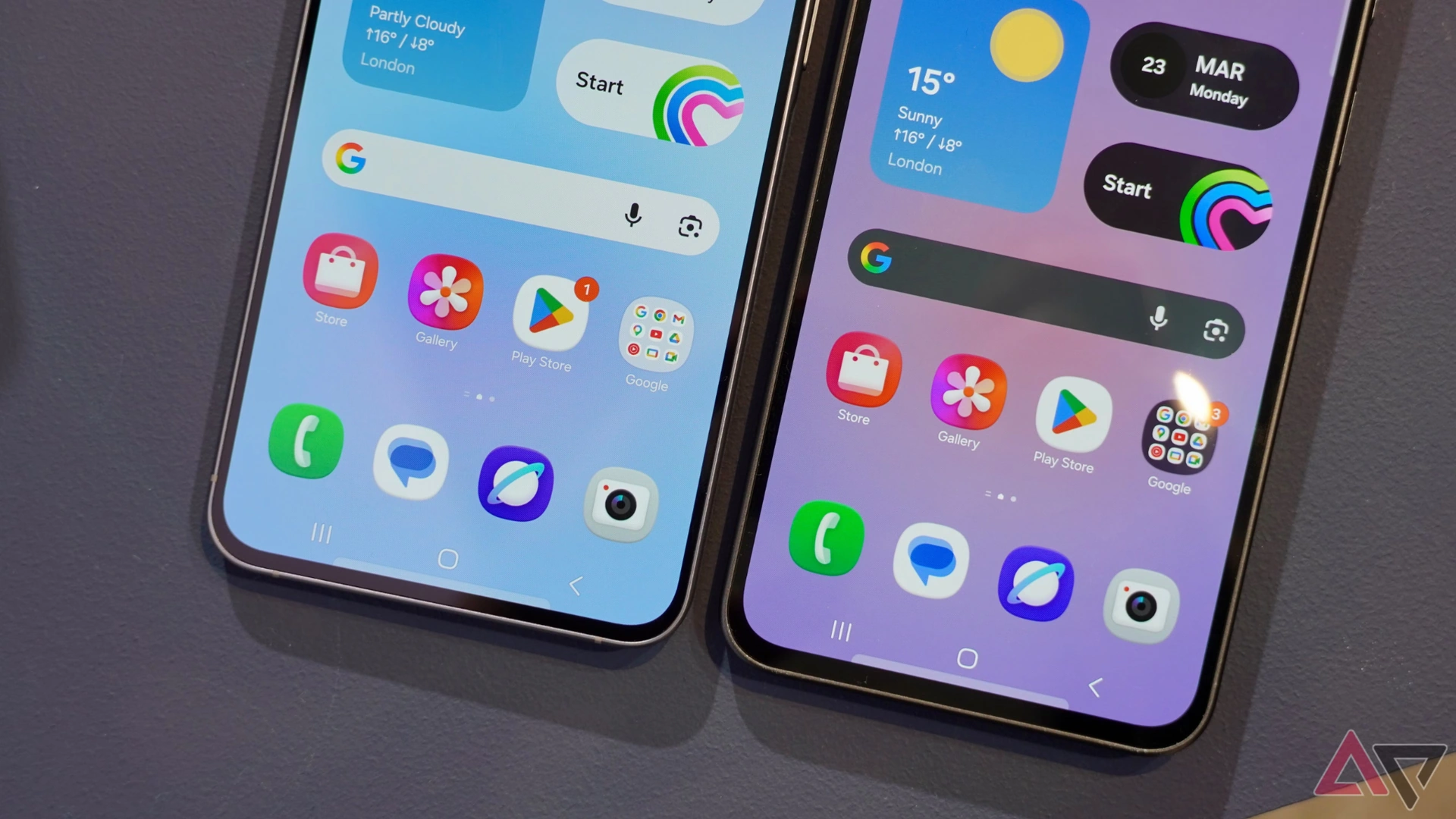
Samsung has long been recognized for offering one of the most customizable Android experiences, allowing users to personalize nearly every aspect of their smartphones. From themes to icons and fonts, Galaxy devices have stood apart from more restricted Android interfaces. However, with the rollout of One UI 8.5, the company has quietly removed support for third party fonts on non rooted devices, triggering disappointment across its user base.
The change was not prominently announced during the update rollout. Instead, it was mentioned subtly within Samsung’s March security patch notes, leaving many users unaware until after updating their devices. As reports surfaced, discussions across online forums quickly revealed widespread frustration among users who relied on custom fonts to personalize their devices. You can read more details about this issue here: One UI 8.5 March patch update breaks custom font support.
Security Concerns Behind the Decision
Samsung’s reasoning for this move appears to be rooted in security improvements. In its official documentation, the company identified a vulnerability described as “improper verification of cryptographic signature in Font Settings.” According to the note, this issue could potentially allow physical attackers to exploit custom font installations. More technical details can be found on the official Samsung security update page.
To address this, Samsung implemented stricter verification mechanisms for fonts. While the company did not explicitly state that third party font support would be removed, the introduction of these new security checks effectively blocks unofficial fonts from being applied on devices running One UI 8.5.
From a security perspective, the move aligns with broader industry trends where manufacturers prioritize device protection over open customization. However, for many users, the trade off has come at a noticeable cost.
User Backlash and Community Reactions
The response from the Galaxy user community has been swift and vocal. Threads discussing the change have gained traction, with many users expressing frustration over the loss of a feature that has been a core part of Samsung’s identity for years. One such discussion can be found here: March update discussion.
For many, custom fonts were not just a cosmetic feature but a way to create a unique device experience. The ability to install fonts through third party tools made Samsung devices feel more flexible compared to competitors.
Users have also pointed out that the lack of clear communication around the change has added to the dissatisfaction. Since the feature removal was not highlighted in update announcements, many discovered it only after their preferred fonts stopped working.
Limited Alternatives for Non Root Users
With the new restrictions in place, users now face limited options. The most straightforward workaround involves rooting the device, which allows deeper system level access. However, rooting is not a practical or safe option for most users, as it can void warranties and introduce additional risks.
Popular third party font tools have already acknowledged the change. Developers behind widely used apps have confirmed that devices running One UI 8.5 without root access are no longer supported. For example, discussions around this can be seen here: zFont 3 does not support One UI 8.5 non root.
Interestingly, some users have reported that their previously installed custom fonts remained active immediately after updating. However, these fonts typically revert to default settings once users attempt to change them, making the workaround unreliable.
Galaxy Store Fonts Remain Functional but Limited
Samsung’s own font ecosystem through the Galaxy Store continues to function without issues. Fonts available through the official store comply with the company’s updated validation system, ensuring they meet the new security standards.
However, many users argue that these official options fall short in terms of variety and creativity. Third party tools previously offered a broader range of styles, including unique and experimental fonts that are not available through Samsung’s curated store.
This limitation has led to concerns that the overall customization experience on Galaxy devices may become more restrictive over time. Additional reporting on this can be found here: Samsung March 2026 update breaks custom fonts.
Balancing Security and User Freedom
Samsung’s decision highlights an ongoing challenge in the smartphone industry: balancing security with user freedom. While enhanced protection against potential vulnerabilities is essential, changes that reduce long standing customization features can impact user satisfaction.
For power users and enthusiasts, customization has always been a defining strength of Samsung’s software. The removal of third party font support signals a shift towards a more controlled environment, similar to what is seen on other platforms.
At the same time, the company may view this as a necessary step to ensure device integrity and protect users from potential threats.
What This Means for the Future of One UI
The removal of third party font support in One UI 8.5 could indicate a broader direction for future updates. If Samsung continues to tighten system level permissions in the name of security, other customization features may also face similar restrictions.
For now, users who value deep personalization may need to rely on official tools or explore advanced methods like rooting. Meanwhile, Samsung will likely continue refining its software to strike a balance between flexibility and security.
As the conversation continues within the community, one thing is clear: customization remains a deeply valued aspect of the Galaxy experience, and any changes to it will not go unnoticed.