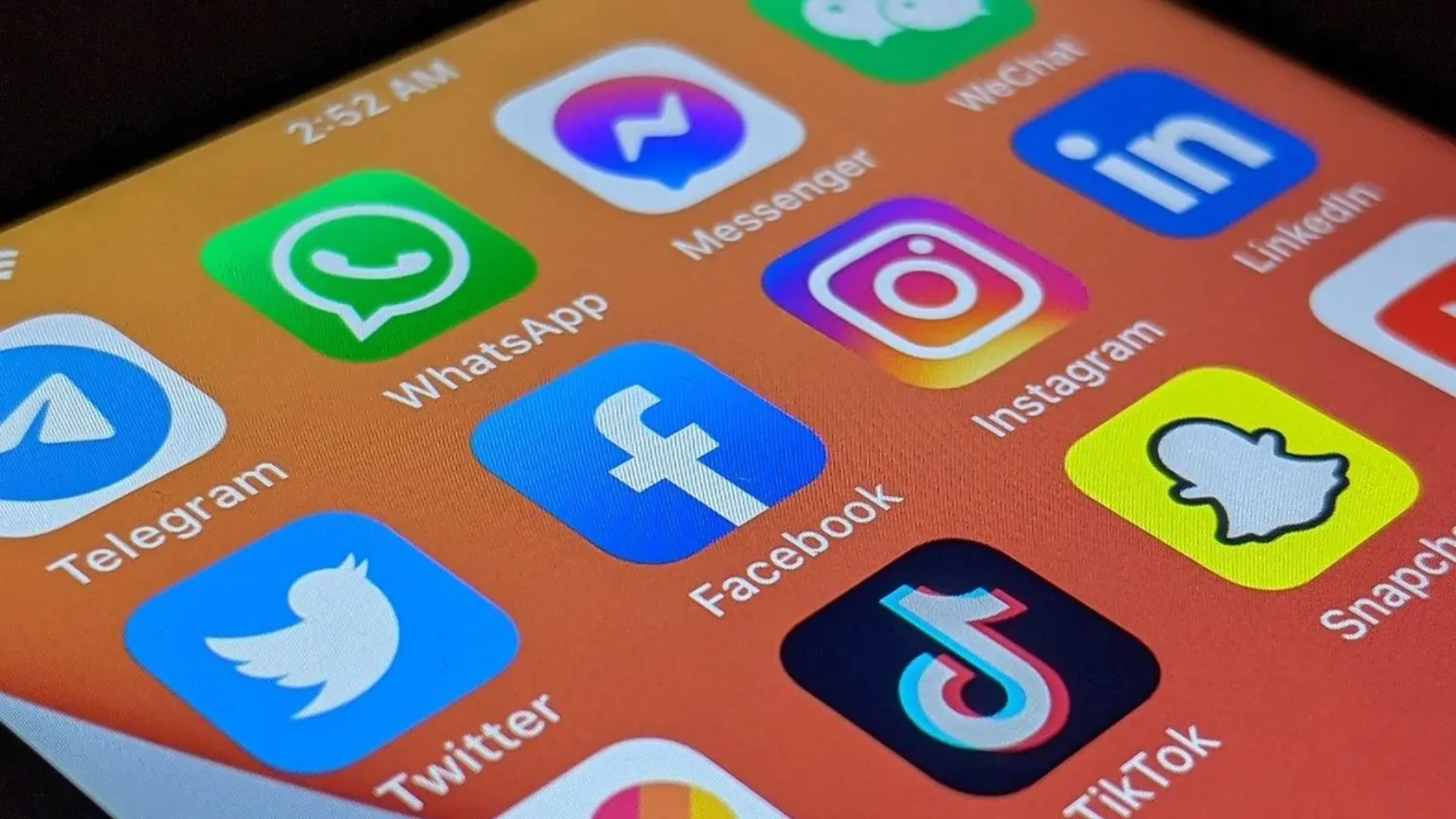
India’s push to tighten digital security through SIM linked messaging accounts has hit a pause, offering relief to both users and technology companies. The Department of Telecommunications has extended the compliance deadline for messaging platforms such as WhatsApp, Telegram and Signal to the end of the year, following concerns raised by major technology firms and industry stakeholders over implementation challenges.
Deadline extension after industry raises technical concerns
According to sources familiar with the matter, the government has formally communicated the extension to stakeholders, beginning March 30. The decision comes after messaging platforms, device manufacturers and operating system providers requested more time to align with the proposed SIM binding framework.
Officials acknowledged that companies flagged multiple technical constraints that could affect rollout timelines. The extension reflects a pragmatic approach by authorities, allowing industry players additional time to build, test and deploy the necessary infrastructure without disrupting services.
The move also highlights the complexity of integrating telecom level verification into global messaging platforms that operate across diverse devices and ecosystems.
What SIM binding means for users and platforms
Under the proposed framework, a user’s messaging account would be strictly tied to the physical SIM card used during registration. In simple terms, the service would function only when that specific SIM is present in the device.
This measure is aimed at curbing fraud and preventing misuse of telecom identifiers. Authorities believe that linking accounts directly to SIM cards can reduce risks such as OTP interception, number duplication and unauthorized access through secondary devices.
The directive, originally issued in November 2025, mandates continuous linkage between a user account and the SIM installed in their device. It also seeks to ensure that messaging services cannot be accessed without an active and verified SIM.
Apple, Google and Meta highlight ecosystem challenges
The request for more time was not limited to messaging platforms alone. Technology giants including Apple and Google reportedly raised concerns related to operating system limitations and device level integration.
Apple, in particular, is said to have flagged technical constraints within its ecosystem that complicate seamless SIM binding enforcement. The company is currently exploring possible solutions, but the closed nature of its platform presents unique challenges compared to Android.
On the Android side, early testing is already underway. Sources indicate that SIM binding for WhatsApp is being tested in beta environments, suggesting that implementation may progress faster on more flexible platforms.
Meta, the parent company of WhatsApp, has also been in discussions with the Department of Telecommunications to arrive at a technically viable approach that balances security with usability.
New rules may reshape user experience
The proposed regulations go beyond SIM linkage. One of the key requirements includes periodic logouts from web based sessions. Users may be required to log out at least once every six hours, with reauthentication typically done via QR code.
While this adds an extra layer of security, it could also introduce friction in everyday usage. For professionals and businesses that rely heavily on web based messaging, frequent logouts could disrupt workflow and delay communication.
Industry experts warn that enforcing persistent SIM binding across multiple devices and sessions would require significant architectural changes. Messaging platforms would need to redesign how accounts sync across smartphones, tablets and desktops.
Industry bodies warn of operational impact
The proposal has faced pushback from several industry groups. The Broadband India Forum, representing major technology companies, has expressed serious concerns over feasibility and user experience.
Experts argue that extending telecom style regulations to digital and OTT services could have unintended consequences. Continuous authentication requirements and device level restrictions may complicate usage for millions of users, especially those who frequently switch devices or travel internationally.
The Internet and Mobile Association of India has also cautioned that the mandate could impact businesses, particularly small and medium enterprises that depend on messaging platforms for daily operations.
Periodic logouts and strict SIM verification could disrupt ongoing conversations, delay responses and create operational inefficiencies. Users with dual SIM devices or those accessing accounts on secondary devices such as laptops may face additional challenges.
Government’s security push remains firm
Despite the extension, the government’s intent behind the directive remains unchanged. Communications Minister Jyotiraditya Scindia has previously described SIM binding as a necessary step to strengthen national security and combat cyber fraud.
Authorities have emphasized that bad actors often exploit loopholes in telecom systems to carry out fraudulent activities. By ensuring tighter linkage between user identities and telecom infrastructure, the government aims to create a more secure digital environment.
The extension is therefore seen as a temporary adjustment rather than a rollback. Officials continue to engage with stakeholders to refine the framework and address technical limitations without compromising on security objectives.
What happens next
With the deadline now pushed to year end, technology companies have a critical window to develop workable solutions. This includes resolving operating system constraints, ensuring cross device compatibility and minimizing disruption to user experience.
Collaborative discussions between the government, messaging platforms and ecosystem providers are expected to intensify in the coming months. The outcome will likely shape how digital communication services operate in India going forward.
For users, the changes could redefine how messaging apps function, introducing stricter verification but potentially improving safety. For the industry, the challenge lies in balancing compliance with innovation and usability.
As India continues to strengthen its digital governance framework, the SIM binding initiative stands at the intersection of security, technology and everyday convenience. The coming months will determine how effectively these competing priorities are aligned.