
US President Donald Trump has extended the ceasefire with Iran after diplomatic talks slowed sharply, with American officials citing a lack of response from Tehran and signs of internal divisions within the Iranian leadership. The decision came just hours before the previous truce window was expected to end, highlighting the fragile state of negotiations and the risk of renewed conflict.
The move signals that Washington still sees room for diplomacy, even as core disputes over sanctions, uranium enrichment and regional shipping routes remain unresolved.
White House weighs military pressure against diplomacy
Senior US officials gathered at the White House on Tuesday as the administration considered whether to resume military action or allow more time for negotiations. Among those present were Vice President JD Vance, Secretary of State Marco Rubio, Defense Secretary Pete Hegseth, Chairman of the Joint Chiefs Dan Caine and CIA Director John Ratcliffe.
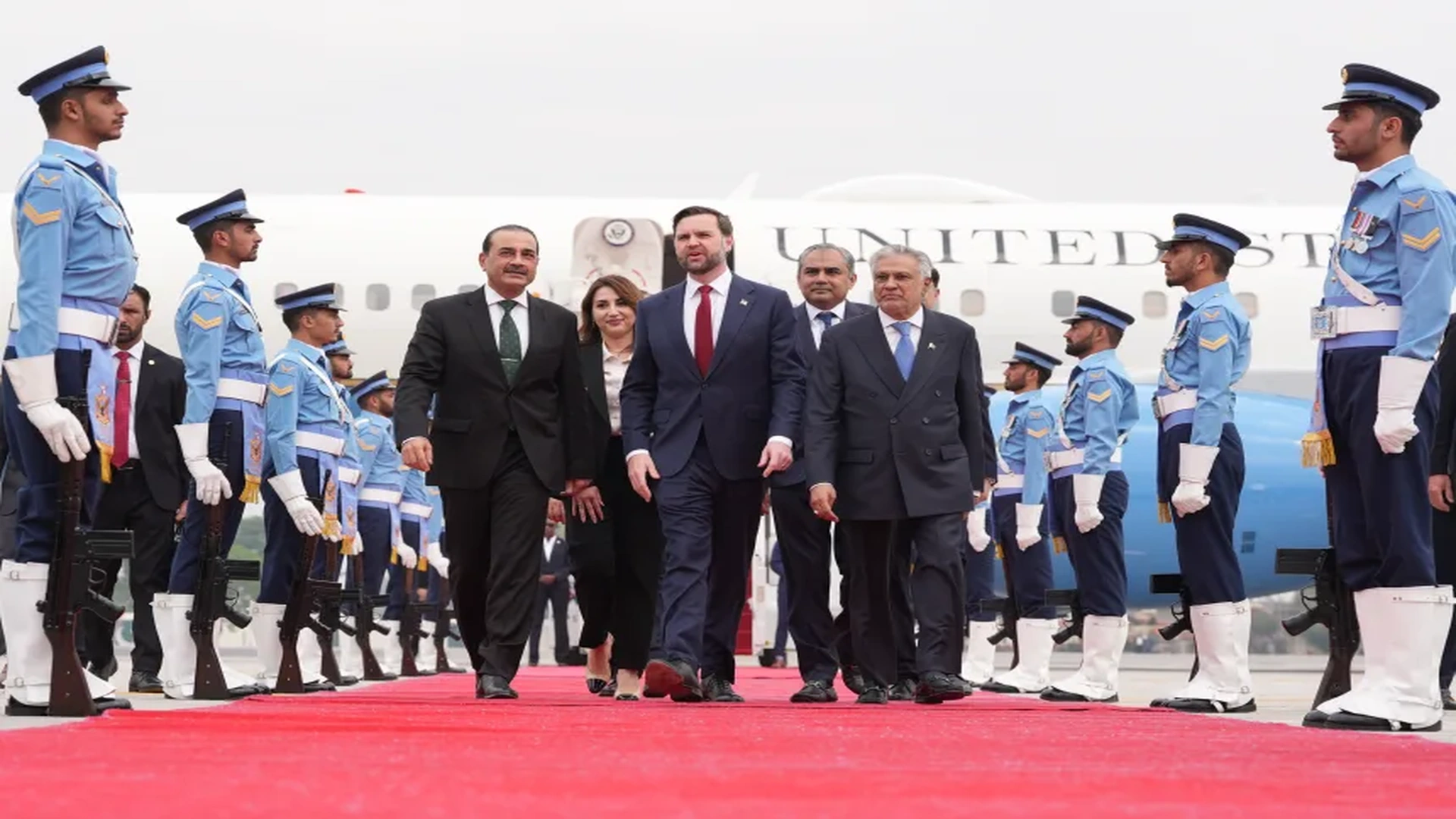
Officials had hoped to receive a response from Iran before Vice President Vance departed for Pakistan, where another round of talks had been planned. But according to officials familiar with the discussions, no reply came from Tehran in time.
That silence complicated Washington’s next step. Rather than resume strikes, Trump chose to extend the ceasefire without setting a fresh deadline.
Why Trump chose to extend the truce
The White House believes Iran’s delayed response may be linked to disagreements inside its ruling structure. US officials reportedly suspect that different factions in Tehran have not agreed on how far negotiators can go on key issues such as uranium enrichment and the handling of Iran’s stockpile of enriched uranium.
American officials also appear uncertain about how clearly new Supreme Leader Mojtaba Khamenei is directing subordinates. That uncertainty has raised doubts over whether Iranian negotiators have authority to finalize any compromise.
By extending the ceasefire, Trump’s team appears to be betting that more time could help Iran settle on a unified negotiating position. The administration also wants to avoid returning immediately to military action that could trigger wider regional instability.
Strait of Hormuz remains central flashpoint
One of the most serious disputes involves the Strait of Hormuz, a vital route for global energy shipments.
Iran has publicly demanded that the United States lift restrictions affecting ships entering or leaving Iranian ports before it resumes meaningful negotiations. Trump has rejected that demand, insisting that the strait would not be fully reopened until a final agreement is reached.
The continued disruption of shipping through the passage has increased economic pressure on both sides and added urgency to mediation efforts. Energy markets and regional governments are watching closely because any prolonged disruption could affect oil prices and global trade.
Pakistan emerges as key mediator
Pakistan has taken an increasingly visible role in backchannel diplomacy between Washington and Tehran. Officials in Pakistan were reportedly working on Tuesday to persuade Iran to return to talks while also encouraging Trump to prolong the truce.
The involvement of Islamabad reflects the search for neutral channels that can keep communication alive when direct contact becomes politically difficult. If Iran signals readiness to negotiate, officials say another meeting could be arranged quickly.
Iranian response remains defiant
Despite the extension, voices in Iran suggested little willingness to accept US terms. Advisers aligned with senior Iranian leadership reportedly dismissed Trump’s ceasefire move and argued that economic pressure is equivalent to continued warfare.
That response underlines the political challenge facing any negotiators in Tehran. Even if some officials favor compromise, domestic pressure and strategic mistrust of Washington could limit room for concessions.
Key issues blocking a final agreement
Several major disputes continue to prevent a breakthrough:
Uranium enrichment
Washington wants stronger limits on Iran’s future nuclear activity. Tehran has historically defended enrichment as a sovereign right.
Existing enriched uranium stockpile
Negotiators remain divided over what should happen to Iran’s current reserves of highly enriched material.
Sanctions relief
Iran wants meaningful economic relief, while the US seeks guarantees before easing pressure.
Security and military posture
American officials remain concerned that Iran could use extended talks to rebuild damaged missile capabilities and military infrastructure.
Trump seeks a tougher deal than Obama era accord
Trump has repeatedly said he does not want any agreement resembling the 2015 nuclear accord negotiated during the Obama administration, formally known as the Joint Comprehensive Plan of Action.
He withdrew the United States from that deal in 2018 and has long criticized it as inadequate. His current position suggests he wants stricter limits, stronger enforcement and broader concessions from Tehran.
That stance may strengthen his domestic political message, but it also narrows the path to compromise.
What happens next
With no new deadline attached to the ceasefire, the next phase depends largely on whether Iran returns with a formal proposal. If talks restart soon, both sides could pursue a framework agreement before moving to detailed negotiations.
If silence continues, pressure may grow inside Washington for tougher action. Some Trump advisers are said to worry that an open ended truce could allow Iran to delay while regrouping.
For now, the ceasefire offers temporary breathing room, but not resolution.
A pause, not peace
Trump’s decision to extend the ceasefire reflects the difficult balance between force and diplomacy. The White House wants to avoid another war while still extracting major concessions. Iran wants relief from pressure without surrendering strategic leverage.
Until those goals move closer together, the ceasefire remains less a peace settlement and more a pause in a confrontation that could quickly return.