
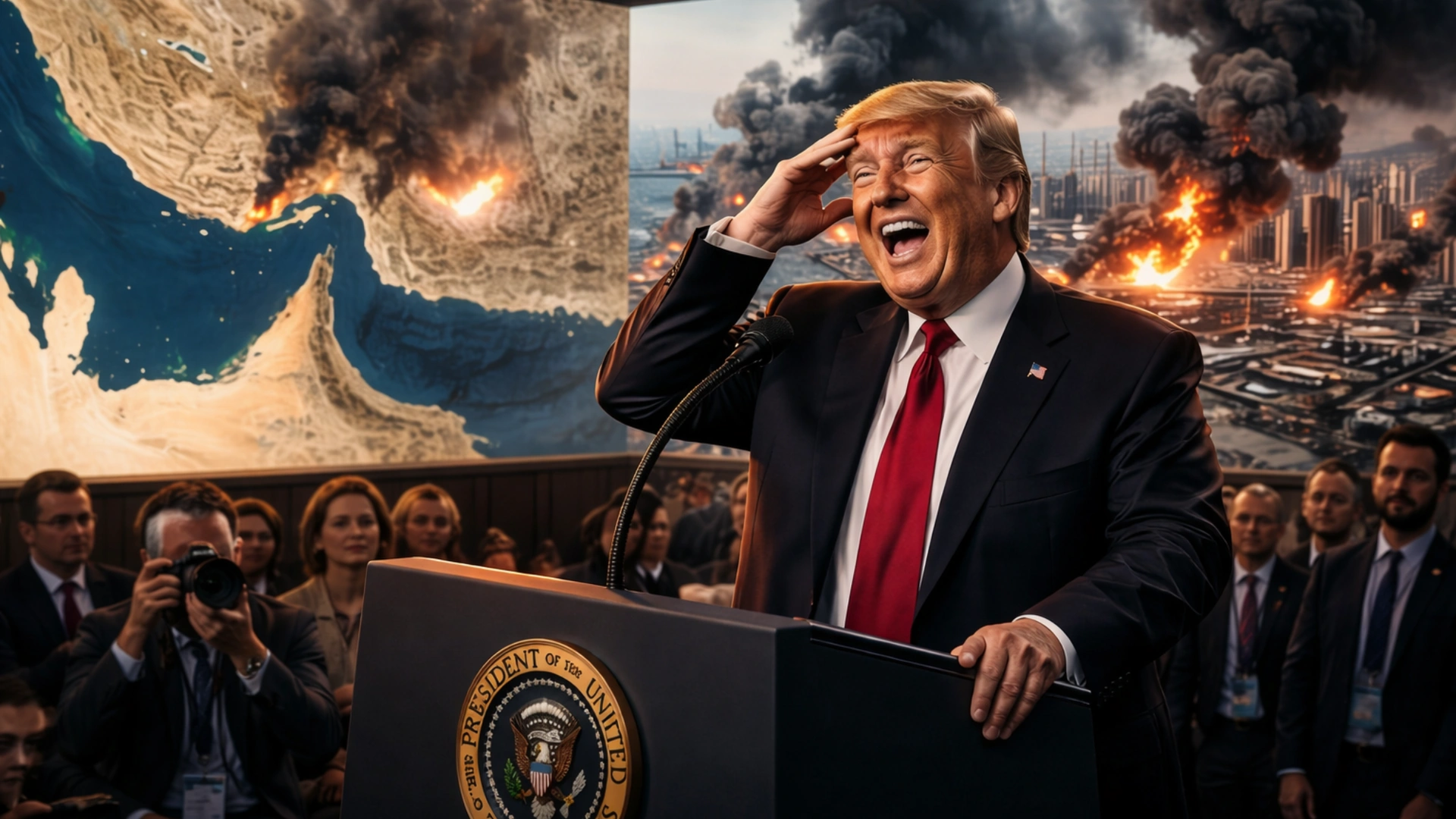
The United States has intensified pressure on Iran through a combination of military force, maritime controls and economic sanctions, as tensions in the Strait of Hormuz rise again after a brief period of reopening. Former US national security official Robert Harward said Washington’s current strategy is aimed at forcing Tehran back to negotiations while weakening its regional influence.
Harward, speaking to Fox News, described the campaign as highly effective and claimed it could eventually compel Iran to make major concessions over its nuclear programme and regional policies.
His remarks came amid reports of fresh naval confrontations, the seizure of an Iranian flagged cargo vessel and renewed uncertainty over one of the world’s most critical shipping routes.
US Says Pressure Campaign Is Already Hitting Iran
According to Harward, the United States is using coordinated military and economic tools to isolate Iran and reduce its ability to challenge Western interests in the Gulf.
He said US forces intercepted an Iranian vessel that allegedly attempted to break the naval blockade. Harward argued that the broader strategy was already damaging Iran’s economy and creating pressure on its leadership.
He said he would be surprised if the Iranian government did not eventually return to the negotiating table, suggesting that financial strain and strategic isolation could leave Tehran with limited options.
The comments reflect a growing belief among some US officials and analysts that sustained pressure may reshape Iran’s calculations after months of confrontation.
Strait of Hormuz Returns to Center of Global Risk
The Strait of Hormuz has once again become the focal point of the crisis. The narrow waterway is one of the most important energy corridors in the world, carrying a large share of global oil and gas exports.
After signs of limited reopening, Iran reportedly moved to tighten restrictions again following the US led blockade. Reports also indicated that forces fired on vessels attempting to cross the route.
Two Indian merchant ships were reportedly struck during the latest escalation, raising concerns in New Delhi and among international shipping operators over the safety of commercial traffic in the region.
The deteriorating situation has triggered fears of higher shipping insurance costs, supply disruptions and fresh volatility in global oil markets.
Trump Signals Tough Line but Keeps Door Open for Deal
US President Donald Trump said the Iranian flagged cargo vessel was intercepted after attempting to breach the blockade. Tehran rejected that account and condemned the seizure as a ceasefire violation and an act of armed piracy.
Despite the sharp rhetoric, Trump also signalled that a diplomatic agreement remains possible. He accused Iran of violating understandings linked to the ceasefire but said negotiations could still move forward if Tehran complies with US expectations.
The dual message of military pressure and open diplomacy has become a central feature of Washington’s approach.
Iran Rejects Claims of Fresh Peace Talks
Iran denied reports that it had agreed to a second round of talks with the United States. Tehran contradicted claims that negotiations would resume in Pakistan and said current conditions do not support meaningful dialogue.
Iranian officials cited what they described as excessive US demands, changing negotiating positions and the continuing naval blockade as major obstacles.
The rejection highlights how deep mistrust remains between both sides. While Washington says diplomacy is available, Tehran argues that talks cannot succeed under military and economic coercion.
Wider Regional Impact Seen in Lebanon
The consequences of the standoff are being felt beyond the Gulf. In Lebanon, Israeli forces have reportedly established a yellow line in the south during a fragile ten day truce with Hezbollah.
Harward said reducing Iran’s economic resources would directly weaken the support Tehran can provide to Hezbollah and other allied groups.
He also argued that diminished Iranian funding could place pressure on Hamas and the Houthis, affecting their operational capabilities.
That assessment reflects a long standing US view that Iran’s financial networks are central to its regional influence.
Markets Watching Every Move in the Gulf
Energy traders and shipping companies are closely monitoring developments in the Strait of Hormuz. Any prolonged disruption could affect crude exports from major Gulf producers and increase transportation costs worldwide.
For countries dependent on imported energy, especially in Asia, instability in the waterway carries immediate economic risks. Insurance premiums for tankers often rise sharply during periods of confrontation, while delays can disrupt supply chains.
If tensions continue, the crisis could become a major factor in global inflation and market uncertainty.
What Comes Next
The immediate future depends on whether Washington and Tehran choose escalation or renewed diplomacy. The United States appears determined to maintain pressure, while Iran insists it will not negotiate under threats.
If backchannel communication resumes, both sides may still find room for a limited agreement focused on shipping security or sanctions relief. But if naval incidents continue, the risk of wider conflict will grow rapidly.
For now, the Strait of Hormuz remains a symbol of the larger contest between American power and Iranian resistance, with consequences stretching far beyond the Middle East.