
The Middle East remained on edge on Saturday after Iran declared that the Strait of Hormuz would remain closed until the United States lifts what Tehran described as a naval blockade on Iranian ports. The announcement came amid fragile ceasefire diplomacy involving Iran, the United States, and regional mediators, while fresh tensions also emerged along the Israel Lebanon front.
Iranian officials said progress had been made in indirect talks with Washington, but major disagreements continue to block a final settlement. At the same time, Hezbollah warned that the current truce with Israel cannot continue if Israeli military actions inside Lebanon persist.
The latest developments underline how quickly the region could return to wider conflict despite temporary pauses in fighting.
Iran Ties Strait of Hormuz Reopening to End of U.S. Naval Pressure
Iran’s Revolutionary Guard navy issued one of its strongest warnings yet, stating that the Strait of Hormuz would remain closed until the United States removes restrictions affecting Iranian ports and maritime access.
According to Iranian statements, vessels in the Persian Gulf and Sea of Oman were warned not to move toward the strait. Tehran said any such movement could be treated as cooperation with hostile forces.
The Strait of Hormuz is among the most strategically important waterways in the world. A significant portion of global oil and gas shipments passes through the narrow route each day. Any prolonged closure raises immediate concerns for energy markets, shipping costs, inflation pressures, and global supply chains.
Markets and governments worldwide are expected to closely monitor whether the warning becomes a sustained maritime shutdown or remains part of negotiation pressure.
Iranian Speaker Says Talks With Washington Have Progressed
Mohammad Bagher Ghalibaf, Speaker of Iran’s Parliament, said there had been progress in talks with the United States but acknowledged that several critical disputes remain unresolved.
In a televised address, he said there are still many gaps and fundamental points that have not been settled. He added that the sides remain far from the final stage of discussions.
His comments suggest that while communication channels remain open, a lasting agreement is not yet within immediate reach.
Diplomatic efforts are reportedly being supported by regional mediators, including Pakistan, which is pushing for a broader settlement before the current ceasefire period expires.
Iran Claims Battlefield Advantage During Recent Conflict
Ghalibaf also claimed that Iran had been victorious during recent weeks of fighting and said Tehran only accepted a temporary truce after its demands were met.
He argued that the United States had failed to achieve its strategic objectives and claimed Iran maintained control over the Strait of Hormuz.
Such statements are likely aimed at both domestic and international audiences. Inside Iran, officials often frame negotiations as strength based diplomacy rather than compromise. Internationally, the message signals that Tehran wants recognition of its leverage before making concessions.
Temporary Ceasefire Faces Critical Deadline
The current two week ceasefire is scheduled to expire on Wednesday unless both sides agree to extend it or finalize a broader settlement.
That deadline is now becoming a major focus for diplomats. If talks collapse, military escalation could resume quickly across multiple fronts.
The ceasefire has so far reduced immediate direct confrontation, but unresolved disputes over sanctions, maritime restrictions, security guarantees, and regional military activity continue to complicate progress.
Analysts say the next few days may determine whether the truce becomes the foundation for a durable agreement or only a brief pause before renewed conflict.
Hezbollah Warns Israel Over Lebanon Operations
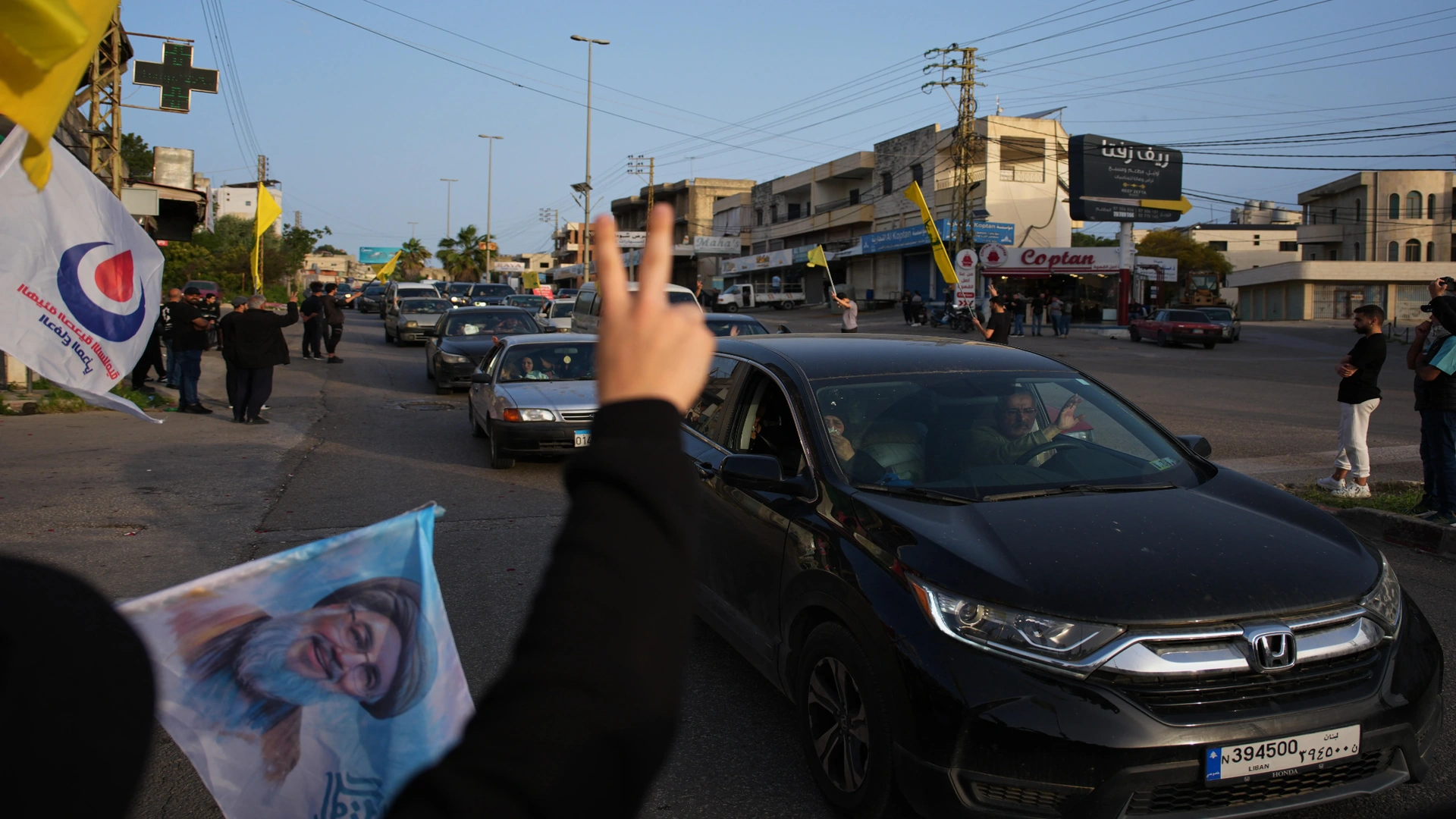
Adding to regional uncertainty, Hezbollah leader Naim Qassem said the ongoing ten day truce with Israel cannot be one sided.
He warned that Hezbollah fighters would respond if Israeli strikes inside Lebanon continue. The statement followed Israeli military claims that its air force had eliminated what it described as a militant cell operating near Israeli troops in southern Lebanon.
The exchange highlights the fragile state of the Israel Lebanon ceasefire. Even isolated incidents could widen into a broader confrontation if retaliation begins.
Lebanon remains one of the most sensitive fronts connected to the larger regional crisis involving Iran and Israel.
Why the Strait of Hormuz Matters to the World
The Strait of Hormuz carries enormous strategic value because it links Gulf energy producers to international markets. Any disruption can rapidly affect oil prices from Asia to Europe and North America.
Countries heavily dependent on imported energy, including India, Japan, South Korea, and several European economies, could feel the impact of shipping delays or higher fuel costs.
Insurance rates for tankers may also rise if security threats continue, increasing transportation expenses across global trade networks.
This is why even political warnings about Hormuz often move markets before any physical blockade is fully enforced.
Global Attention Turns to the Next Round of Talks
With only days remaining before the ceasefire deadline, world powers are expected to intensify diplomatic pressure on all sides.
The central questions now are whether Washington will ease maritime restrictions, whether Tehran will reopen the strait, and whether parallel fronts involving Lebanon remain calm long enough for negotiations to continue.
For now, the region is in a tense holding pattern. Fighting has slowed, but peace remains uncertain. The coming week may prove decisive not only for Iran and the United States, but for global trade, oil markets, and wider Middle East stability.