
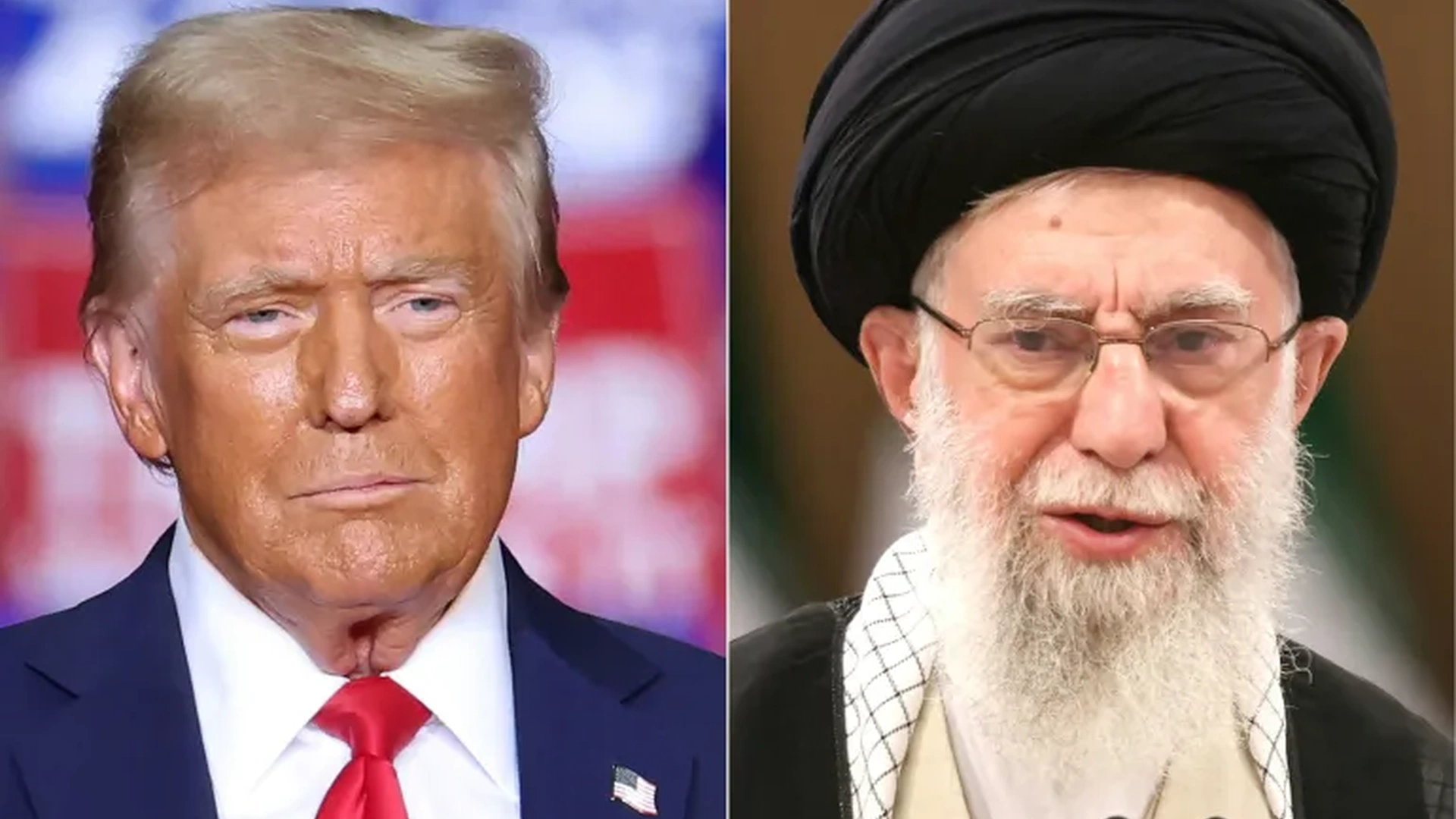
A fragile ceasefire involving the United States, Israel and Iran faced fresh uncertainty on Sunday after Tehran signaled it would not immediately join another round of talks with Washington and warned it was prepared to respond to the seizure of an Iranian flagged cargo vessel near the Strait of Hormuz.
The latest confrontation has raised fears that recent diplomatic efforts could unravel just days before the current ceasefire arrangement is due to expire on Wednesday. It has also triggered renewed concern in global energy markets, with crude oil prices rising sharply as investors weighed the risk of wider disruption in one of the world’s most critical shipping corridors.
Ship seizure deepens already tense standoff
The immediate flashpoint came after US President Donald Trump said American forces intercepted a vessel identified as Touska after it allegedly attempted to bypass a naval blockade imposed on Iranian ports last week.
According to Trump, a US Navy guided missile destroyer operating in the Gulf of Oman disabled the vessel before Marines boarded and took control of it for cargo inspection. Iranian military authorities condemned the move, describing it as piracy and a violation of the already fragile truce environment.
Iran’s joint military command said it would respond soon, while state linked media carried warnings that continued pressure would bring consequences beyond the immediate conflict zone.
Tehran hardens tone on talks with Washington
The maritime incident cast doubt over previously announced plans for US negotiators to travel to Pakistan on Monday for another round of discussions with Iranian representatives.
Iranian state broadcaster IRIB reported there were currently no plans to attend the talks. Senior Iranian officials later suggested negotiations remained possible, but only if Washington sent what Tehran called positive signals.
Ebrahim Azizi, head of Iran’s parliamentary National Security Committee, said the Islamic Republic would not negotiate at any cost and had established clear red lines that must be respected.
Iranian Parliament Speaker Mohammad Bagher Ghalibaf used even stronger language, saying Tehran viewed the current negotiations as a continuation of the battlefield. He added that Iran did not trust the enemy and remained prepared for necessary measures if hostilities resumed.
Those statements reflected a familiar Iranian negotiating posture: willingness to talk, combined with insistence that talks cannot proceed under military or economic coercion.
Strait of Hormuz again at the center of crisis
The renewed dispute has once again focused global attention on the Strait of Hormuz, the narrow maritime passage through which a major share of the world’s oil exports move.
Iranian officials said they would never surrender control or influence over the waterway, calling it an inseparable part of national sovereignty. Tehran also warned that the security of Hormuz is not free, arguing that Iran’s oil exports cannot be restricted while others expect uninterrupted shipping access.
Before the current conflict escalated, roughly one fifth of global oil exports moved through the strait. Any threat to vessel movement there has immediate consequences for freight costs, insurance rates and global crude prices.
Shipping analytics data cited in regional reports showed more than 20 vessels passed through Hormuz on Saturday, the highest daily count since the latest phase of conflict began. Some carried Iranian cargoes, while others transported goods from Bahrain, United Arab Emirates and Saudi Arabia.
Oil markets react to growing uncertainty
Energy traders responded quickly to the deteriorating situation. Crude prices jumped more than four percent after news of the vessel seizure and the possible collapse of planned talks.
Markets are watching two immediate risks. The first is any retaliatory Iranian military move in or around Hormuz. The second is the expiration of the ceasefire later this week without an extension.
Either development could increase pressure on supply chains at a time when global markets remain sensitive to shipping disruptions and geopolitical shocks.
Israel Lebanon front remains tense despite truce
The regional picture was further complicated by developments on Israel’s northern front. The Israel Defense Forces warned Lebanese civilians not to return to villages in southern Lebanon, saying troops remained deployed because of ongoing Hezbollah activity.
Residents were specifically cautioned to avoid areas near the Litani River and nearby valleys, underlining how fragile parallel ceasefire understandings remain across the region.
Any renewed exchange between Israel and Hezbollah could quickly widen pressure on ongoing US Iran diplomacy.
Domestic signals inside Iran
Inside Iran, authorities sought to project resilience. Officials said 95 percent of the country’s airport infrastructure remained intact and operational, while only around 20 aircraft had suffered serious damage.
At the same time, thousands reportedly gathered in Tehran to support the government and voice distrust of the United States. Public demonstrations emphasized that while diplomacy may continue, many in Iran remain skeptical of American commitments after years of sanctions and failed agreements.
Iran also announced the execution of two men convicted of cooperating with Israel’s Mossad intelligence service and planning attacks inside the country, a move likely intended to signal internal vigilance during a period of heightened confrontation.
Pressure grows on Trump at home
The international crisis is also producing political effects in the United States. A new NBC News poll reported Trump’s approval rating had fallen to 37 percent, with public dissatisfaction linked in part to his handling of the Iran conflict.
According to the survey, two thirds of respondents disapproved of his management of the war issue, suggesting the overseas confrontation may become a more significant domestic political challenge if tensions continue.
What happens next
The next 72 hours may prove decisive. If both sides return to talks, the ceasefire could be extended and shipping fears may ease. If negotiations fail and retaliation follows the vessel seizure, the region could move rapidly back toward open confrontation.
For now, diplomacy remains alive but weakened. Military signaling is intensifying, markets are nervous, and the Strait of Hormuz once again stands at the center of a crisis with consequences far beyond the Middle East.