
Fresh uncertainty has gripped the Middle East after the United States seized an Iranian flagged cargo vessel near key regional waters, prompting Tehran to threaten retaliation and cast doubt over planned peace talks meant to preserve a fragile ceasefire.
The latest confrontation comes just days before a temporary two week truce between the United States and Iran is due to expire. Diplomats had hoped a second round of talks in Islamabad could help prevent a return to wider conflict, but new military tensions have sharply reduced confidence that negotiations will proceed as planned.
Ceasefire enters critical final days
The ceasefire, reached after weeks of military escalation, is approaching its final hours. Officials had been working toward a diplomatic extension, but Sunday’s seizure of the vessel Touska has changed the atmosphere dramatically.
Iran said it would not join another round of negotiations while what it described as a naval blockade remains in place. That statement raised immediate questions over whether planned meetings in Pakistan can still happen.
US President Donald Trump said American envoys were expected to arrive in Islamabad on Monday evening. However, conflicting messages over the composition of the US delegation added to uncertainty surrounding the talks.
Authorities in Islamabad reportedly increased security measures, restricted heavy traffic movement and tightened access around the Serena Hotel, where earlier discussions were held.
US says ship ignored warnings before seizure
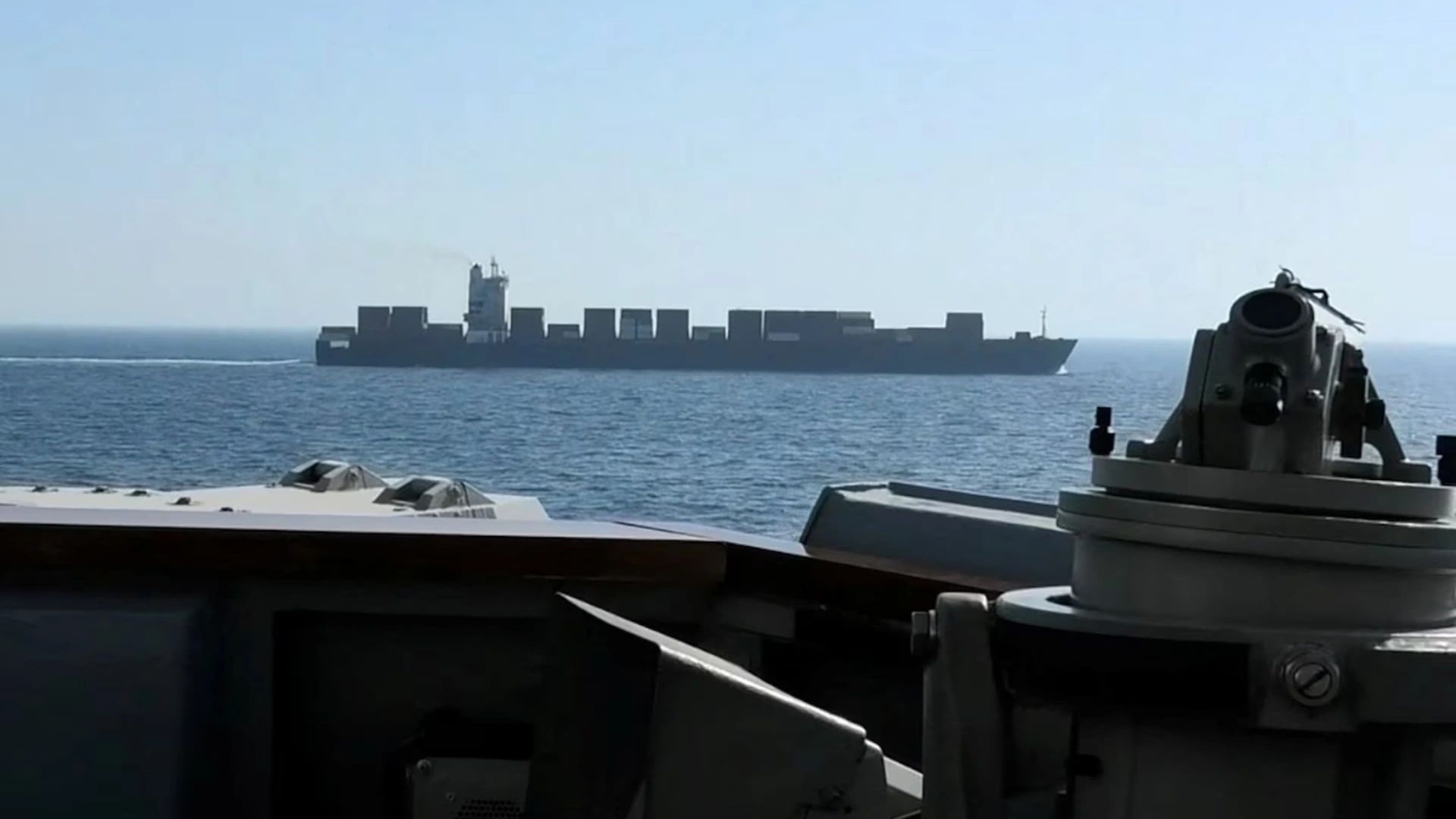
According to the US military, the Iranian flagged cargo ship Touska failed to respond to repeated warnings over a six hour period while moving toward Iranian waters.
US Central Command later released video footage that it said showed a Navy destroyer firing rounds into the vessel’s engine room before boarding and taking control of the ship.
President Trump later confirmed the operation on social media, saying the United States had full custody of the vessel and was examining its cargo.
Iran rejected the US account and condemned the incident as an act of armed piracy. Iranian officials said the ship had been traveling from China and warned that the country’s armed forces would respond.
The confrontation marks one of the most serious flashpoints since the ceasefire began and could become a turning point if both sides harden their positions.
Tehran warns of retaliation
Iranian military officials issued a direct warning after the seizure, saying retaliation would come soon. While no specific military response was announced, the statement increased fears of renewed attacks at sea or further disruption to commercial shipping routes.
The Strait of Hormuz remains one of the world’s most sensitive energy chokepoints. Any escalation involving naval forces in the area can quickly affect oil markets, insurance costs and cargo movement between Asia, Europe and the Gulf.
Iran had previously lifted and then reimposed restrictions linked to maritime traffic during the recent conflict. Analysts now fear that commercial passage through the region may again be reduced if tensions continue rising.
Oil prices jump on supply fears
Global oil prices rose sharply after news of the ship seizure and the collapse in diplomatic momentum.
Brent crude climbed more than five percent to around 95 dollars a barrel, while US West Texas Intermediate rose nearly six percent. Traders reacted to concerns that energy shipments through the Gulf could once again face delays or direct disruption.
The recent war has already created severe pressure on global supply. Market data cited in reports suggest more than 500 million barrels of crude and condensate have been removed from the market since late February.
That figure reflects one of the largest supply shocks in recent years, affecting producers across the Gulf and raising concerns among import dependent economies.
Jet fuel exports from major Gulf states have also reportedly dropped sharply, adding pressure on airlines and freight operators already dealing with volatile fuel costs.
Shipping movement remains fragile
Despite the tensions, some tanker movement has resumed in recent days. More than 20 vessels reportedly passed through the Strait of Hormuz on Saturday, the highest single day level since early March.
That improvement had offered limited hope that regional trade routes were stabilising. However, analysts warned that shipping traffic remains highly vulnerable to any new military exchange.
Insurers, cargo operators and energy traders are now watching whether naval patrols increase and whether further seizures or interceptions take place.
Even a short disruption in Hormuz can have outsized consequences because a large share of the world’s seaborne oil trade passes through the narrow waterway.
Islamabad talks face uncertain future
Pakistan had been preparing to host another round of negotiations aimed at extending the ceasefire and creating a path toward broader de escalation.
But with Iran refusing to confirm participation and the United States defending its military action, the diplomatic track now appears deeply uncertain.
Officials in Islamabad have not publicly cancelled preparations, suggesting there is still a possibility of last minute engagement. However, diplomats acknowledge that trust between the parties has suffered a fresh setback.
If talks fail to materialise before the ceasefire expires, both sides could return to confrontation with few immediate channels for crisis management.
Markets and governments watching next move
Financial markets reacted nervously to the renewed tensions, with equities under pressure and energy prices climbing. Governments across Asia and Europe are also monitoring the situation closely because of their dependence on Gulf energy supplies.
The next 48 hours are likely to prove decisive. If talks resume, the seizure may become another difficult episode in a longer negotiation process. If diplomacy collapses, the region could face another dangerous phase of escalation.
A region at a crossroads
The seizure of the Touska has transformed what had been cautious optimism into renewed uncertainty. A ceasefire that once appeared to offer breathing space is now hanging by a thread.
With oil prices rising, shipping routes under pressure and diplomatic trust weakening, the choices made in the coming days by Washington and Tehran may shape not only the future of their conflict, but also the stability of global energy markets.