
A fragile ceasefire involving the United States, Israel and Iran faced renewed uncertainty on Sunday after Tehran signaled it would not immediately join a new round of talks with Washington and warned of retaliation following the seizure of an Iranian flagged cargo vessel near the Strait of Hormuz.
The latest confrontation has raised fears that a temporary pause in hostilities could collapse within days, with oil markets reacting sharply and diplomatic channels coming under fresh strain. The ceasefire is currently due to expire on Wednesday, but prospects for an extension now appear increasingly uncertain.
Tensions rise after US intercepts Iranian vessel
US President Donald Trump said an Iranian vessel identified as Touska was intercepted after allegedly attempting to bypass a naval blockade imposed on Iranian ports last week. According to his account, a US Navy guided missile destroyer operating in the Gulf of Oman disabled the ship before US Marines boarded it to inspect the cargo.
Iran strongly condemned the move, describing the seizure as an act of piracy and a violation of existing understandings in the region. Iranian military authorities said a response would come “soon,” intensifying concerns that maritime incidents could trigger a wider military exchange.
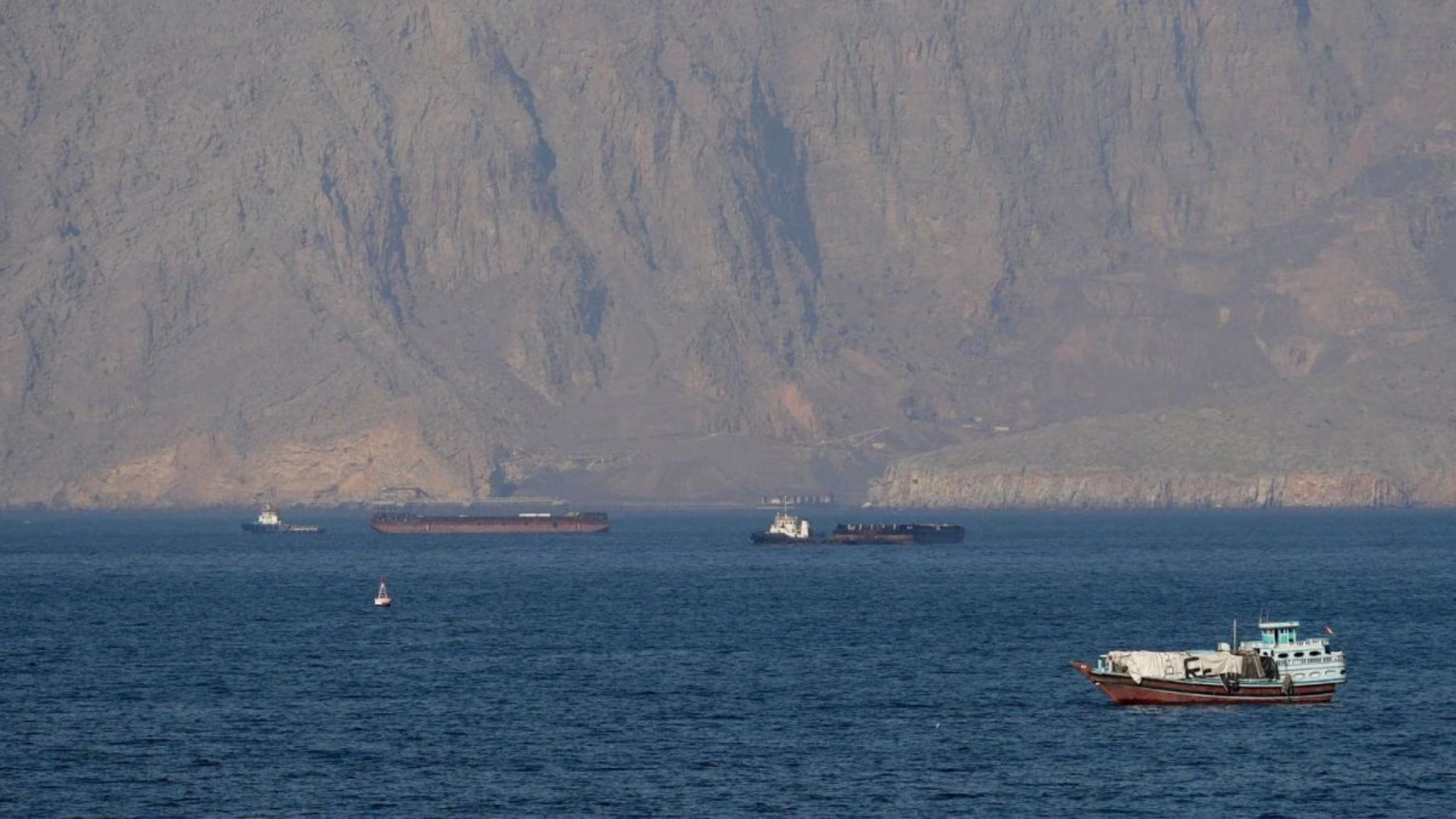
The Strait of Hormuz remains one of the most strategically important waterways in the world, linking Gulf energy producers to global markets. Any disruption there can rapidly affect shipping insurance, tanker traffic and crude oil prices.
Tehran rejects pressure, sets conditions for talks
Iranian officials said there are currently no confirmed plans to attend proposed negotiations in Islamabad, where American representatives were expected to travel for a new round of discussions.
Senior Iranian lawmaker Ebrahim Azizi said Tehran remains open to diplomacy but would not negotiate “at any cost.” He stated that Iran had established clear red lines that must be respected before further talks can move ahead.
Iranian leaders have repeatedly argued that negotiations cannot succeed while economic pressure, shipping restrictions and military threats continue simultaneously. Officials also said the release of frozen Iranian assets and regional security guarantees remain central issues in any future dialogue.
Those remarks suggest Tehran is trying to balance diplomatic engagement with a firm domestic posture, especially after weeks of confrontation.
Iran says distrust of US remains deep
Iran’s parliament speaker Mohammad Bagher Ghalibaf said the country does not trust the United States and remains prepared for what he called “necessary measures” if tensions escalate again.
He said Iran views current negotiations as an extension of the battlefield rather than a separate political process. According to his comments, diplomacy will only be useful if it protects gains Iran believes it secured during recent confrontations.
That language reflects growing skepticism inside Tehran, where hardline factions have argued that Washington cannot be relied upon to honor commitments.
Oil prices jump as markets assess Hormuz risk
Crude oil prices rose more than four percent after reports of the ship seizure and uncertainty surrounding ceasefire talks.
Energy traders are closely watching the Strait of Hormuz, through which a major share of global seaborne oil exports traditionally passes. Any sustained military tension in the area can tighten supply expectations, raise transport costs and increase volatility across international markets.
Iranian officials warned that maritime security in Hormuz cannot be separated from pressure on Iranian oil exports. One senior official said the world faces a choice between a free oil market for all or rising costs for everyone.
The statement appeared aimed at reminding global consumers that regional instability can carry worldwide economic consequences.
Shipping incidents deepen maritime anxiety
Separate reports on Sunday added to concern over commercial shipping safety in nearby waters.
French shipping giant CMA CGM said one of its vessels came under warning shots while passing through the Strait of Hormuz. No crew members were injured, though authorities said the ship sustained some damage.
Shipping analytics data also indicated that more than 20 vessels transited the strait on Saturday, marking one of the busiest days since the conflict intensified earlier this year. Cargoes reportedly included petroleum products, metals and liquefied petroleum gas bound for Asian markets including India and China.
The continued flow of traffic suggests trade routes remain open, but operators are increasingly navigating under heightened military risk.
Iran highlights resilience at home
Amid the external crisis, Iranian officials sought to project internal stability. State linked media reported that around 95 percent of Iran’s airport infrastructure remains intact and operational despite weeks of tension. Only a limited number of aircraft were said to have suffered serious damage.
Thousands of people also gathered in Tehran in demonstrations supporting the government. Many participants voiced distrust of the United States and urged leaders not to make concessions under pressure.
Such scenes are politically significant for Tehran, which is attempting to show resilience while facing diplomatic isolation and military pressure.
Regional ceasefire hangs in the balance
The present ceasefire had offered a rare opening to cool tensions after months of direct and indirect conflict involving Iran, Israel and US forces. However, the latest naval confrontation has exposed how quickly the situation can deteriorate.
If talks fail to resume and retaliatory steps follow, the region could see renewed attacks at sea, missile exchanges or proxy escalations across neighboring states.
For now, diplomats are racing against time before Wednesday’s deadline. Whether the ceasefire survives may depend on whether both sides can step back from maritime confrontation and return to negotiations.
What comes next
The immediate focus is on three questions: whether Iran will eventually send negotiators, whether the US will ease enforcement actions at sea, and whether Israel remains committed to the ceasefire framework.
Until clearer answers emerge, markets, governments and shipping operators are likely to remain on alert.
The events of the past 24 hours have shown that even when guns fall silent, peace in the Middle East can remain dangerously fragile.