
Fresh uncertainty gripped the Middle East on Sunday after Iranian officials said negotiations with the United States to end the current conflict had made progress, while also warning that major differences remain unresolved. At the same time, tensions around the Strait of Hormuz intensified again after Iran signaled the strategic waterway would remain closed until Washington lifts its maritime blockade on Iranian ports.
The latest developments point to a fragile diplomatic moment in which both sides are speaking of dialogue but continuing to apply military and economic pressure. Global markets, shipping operators, and regional governments are watching closely as the crisis enters a decisive phase.
Iran Says Talks Have Advanced but Final Deal Still Distant
Mohammad Bagher Ghalibaf, parliamentary speaker of Iran and one of the country’s senior negotiators, said progress had been achieved in recent contacts with the United States. However, he added that both governments remain far from a final settlement.
His comments suggest that while channels of communication remain open, the most difficult issues have yet to be solved. Iranian officials have not publicly detailed the remaining disputes, but security guarantees, maritime access, sanctions pressure, and regional military positioning are widely seen as central sticking points.
No date has been announced for the next formal round of talks.
Trump Signals Optimism but Rejects Iranian Leverage
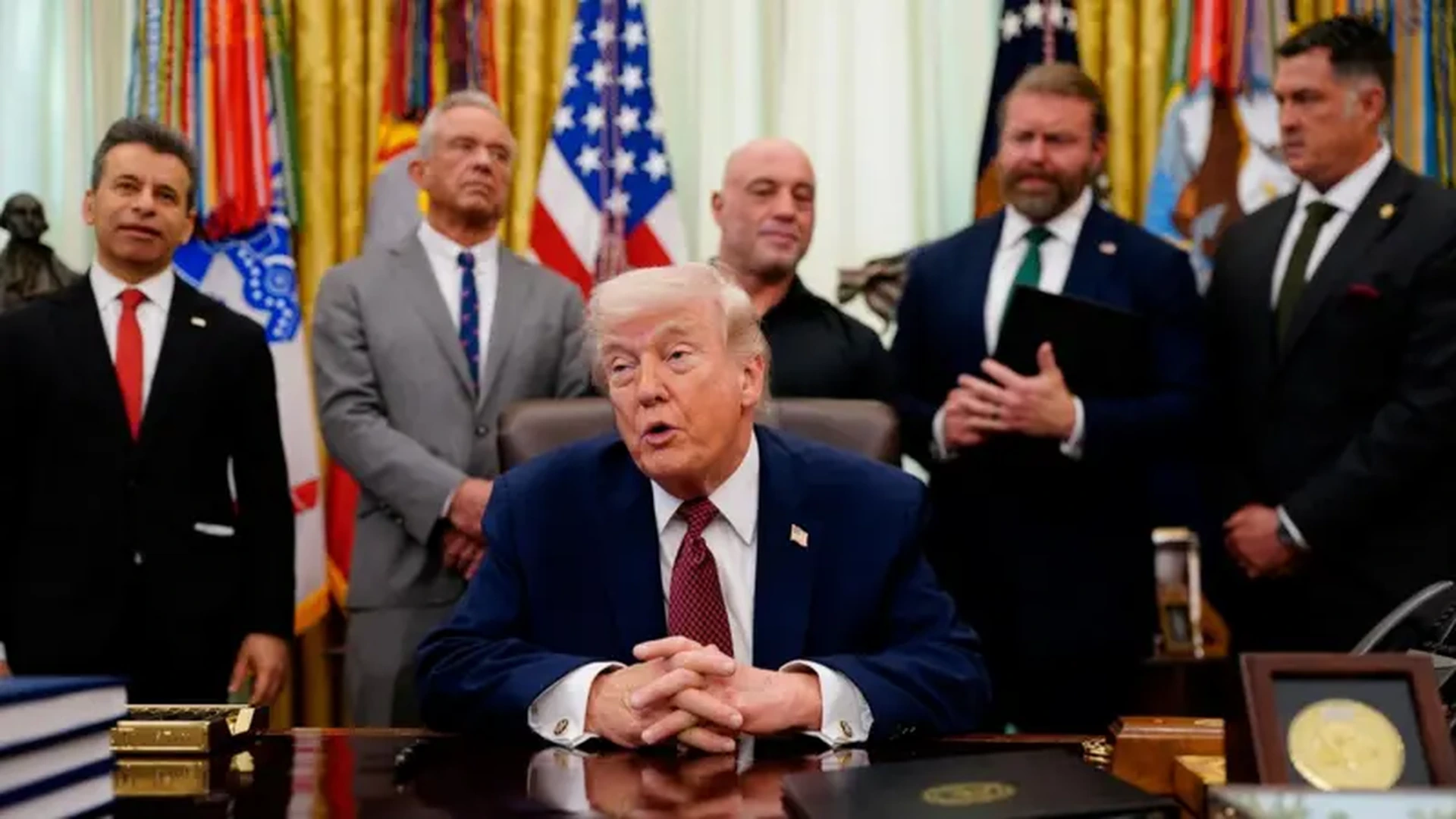
US President Donald Trump said “very good conversations” were taking place with Tehran, offering a more optimistic tone than in previous weeks. Yet he also warned that the United States would not allow Iran to use the Strait of Hormuz as leverage.
Trump said Washington would not be “blackmailed” over the closure of the route, underlining that the US naval blockade on Iranian ports would continue until what he described as a complete transaction or agreement with Tehran is finalized.
The contrast between public optimism and hardline conditions reflects the complexity of current diplomacy, where both sides appear willing to talk but unwilling to concede publicly.
Strait of Hormuz Closed Again Amid Naval Pressure
The immediate flashpoint remains the Strait of Hormuz, one of the world’s most critical energy shipping corridors.
Iranian authorities said the strait would remain shut until the United States ends restrictions on Iranian maritime trade. Tehran has described the US blockade of vessels entering or leaving Iranian ports as a breach of ceasefire conditions reached earlier this month.
The US military, meanwhile, says it has turned back more than 20 vessels near the area since the blockade began. Washington’s stated goal is to reduce Iran’s oil export capacity and pressure the country into accepting broader terms in negotiations.
Any prolonged disruption in Hormuz could affect global oil supply chains, insurance costs, freight rates, and inflation expectations worldwide.
Fresh Maritime Security Fears After Reported Ship Attacks
Regional shipping concerns deepened after reports that vessels near the waters off Oman faced attacks.
According to maritime monitoring reports, a tanker and a container vessel were targeted in separate incidents. Additional reports said two Indian flagged ships were involved in a shooting episode in or near the strait, renewing fears over civilian commercial traffic passing through the zone.
Such incidents increase pressure on insurers and shipping firms, many of which have already been rerouting vessels or delaying transit due to security risks.
For countries heavily dependent on Gulf energy routes, any escalation carries immediate economic consequences.
Ceasefires Hold Uneasily Across the Region
Despite the renewed Hormuz crisis, broader ceasefire arrangements in parts of the Middle East appear to be holding, though with multiple violations and deadly incidents.
A separate truce between Israel and Lebanon remains in place, but casualties have still been reported. Israeli forces said soldiers were killed in southern Lebanon, while a French peacekeeper serving under the United Nations Interim Force in Lebanon was also reported dead in a separate attack.
These incidents show that ceasefires across the region remain unstable and vulnerable to collapse if fresh confrontations emerge.
Pakistan’s Role as Quiet Mediator
Recent diplomacy has also highlighted the growing role of Pakistan as an intermediary between Washington and Tehran.
Islamabad was reported to have helped facilitate earlier contacts that led to a temporary two week ceasefire. While neither side has confirmed major breakthroughs, Pakistan’s involvement suggests regional powers are trying to prevent a wider war that could destabilize trade routes, energy flows, and neighboring economies.
Oil Markets and Global Trade on Edge
The Strait of Hormuz handles a significant share of the world’s seaborne crude exports. Even temporary disruptions often trigger market anxiety because traders fear shortages or delays.
If the current standoff continues, analysts expect shipping premiums to rise further and some cargo operators to seek alternative routes where possible. That would increase delivery costs and place added pressure on energy importing nations across Asia and Europe.
Financial markets are also likely to react sharply to any sign of military escalation or breakthrough diplomacy.
What Comes Next
The next few days may determine whether the crisis moves toward settlement or deeper confrontation. Iran says proposals from Washington are under review. The United States says discussions are productive but insists pressure measures will stay in place.
That leaves a narrow path forward: negotiations must progress quickly enough to prevent further maritime incidents, while both governments manage domestic political expectations.
For now, diplomacy is alive, but so is the danger.
A Region Waiting for a Breakthrough
The Middle East has often seen moments when negotiations and escalation move side by side. This appears to be another such chapter. Public statements from both Tehran and Washington indicate that neither side wants an uncontrolled conflict, yet neither is ready to retreat openly.
Until a clearer agreement is reached, the Strait of Hormuz will remain more than a shipping lane. It will stand as the symbol of a wider struggle over power, security, and influence in one of the world’s most sensitive regions.