
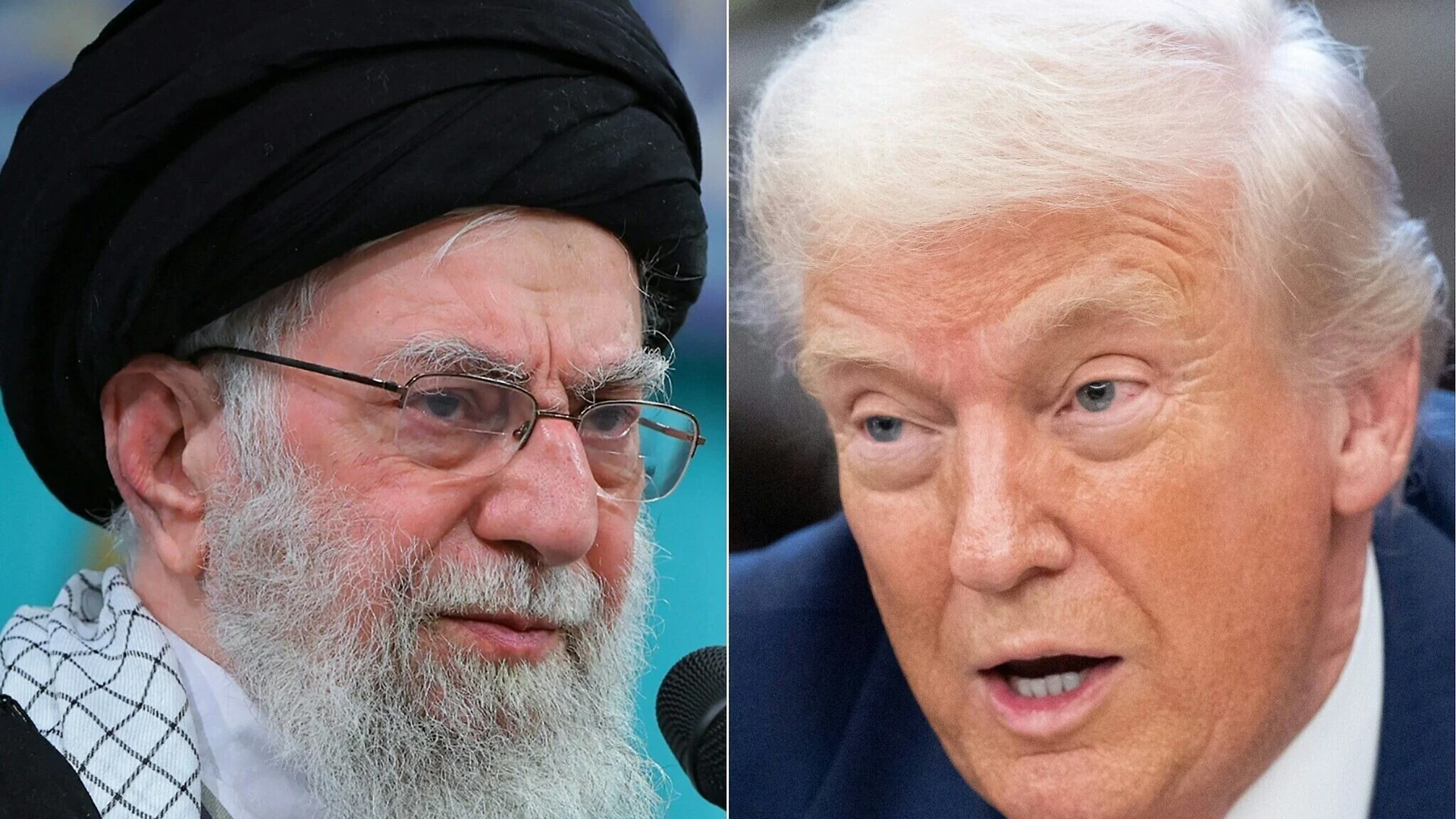
The fragile pause in tensions between the United States and Iran entered a more uncertain phase on Sunday after Iranian President Masoud Pezeshkian strongly defended Tehran’s nuclear rights and criticized Donald Trump, while negotiations between the two sides appeared delayed once again.
The latest developments come as the temporary halt in fighting between Washington and Tehran moves closer to its reported Wednesday deadline, with no formal announcement yet on an extension. At the same time, renewed instability in the Strait of Hormuz and rising tensions involving Hezbollah and Israel have added fresh uncertainty across the region.
Iran Rejects Pressure Over Nuclear Programme
Iranian state linked media reported that President Pezeshkian said no foreign power had the authority to deny Iran its lawful nuclear rights. His remarks were seen as a direct response to repeated statements from Trump, who has demanded a broader agreement addressing Iran’s nuclear activities.
According to the reported comments, Pezeshkian questioned the basis on which Washington could attempt to restrict Iran’s sovereign rights. The statement reflects Tehran’s long standing position that its nuclear programme is for peaceful purposes and that any negotiations must respect national interests.
The sharp language suggests major gaps remain between the two sides, despite earlier signals that diplomatic progress had been made.
Face to Face Talks Delayed Again
Fresh uncertainty also emerged over the timing of the next round of negotiations. Iranian officials indicated that no confirmed date had been set for direct talks with the United States.
Deputy Foreign Minister Saeed Khatibzadeh reportedly blamed Washington’s “maximalist demands” for the delay, signaling Tehran is unwilling to proceed under pressure.
He also rejected suggestions that Iran would transfer enriched uranium to the United States, calling such proposals unacceptable. That issue has become one of the most sensitive parts of any possible agreement.
Reports suggested another meeting could take place next week, potentially in Islamabad, though no official confirmation has been issued by either side.
Strait of Hormuz Remains a Global Flashpoint
While diplomacy struggles, the Strait of Hormuz remains at the center of the crisis. Iranian parliamentary speaker Mohammad Bagher Ghalibaf said the strategic waterway would remain restricted so long as the United States maintains what Tehran describes as a naval blockade.
The Strait of Hormuz is one of the world’s most important oil shipping corridors, carrying a major share of global crude exports. Any disruption there can immediately affect shipping confidence, insurance costs, freight rates, and global energy prices.
Iranian forces reportedly warned that unauthorized transit through the route could be treated as cooperation with hostile powers. Commercial shipping traffic briefly resumed earlier, but multiple vessels later turned back as tensions escalated again.
For markets already nervous about supply risks, the continued uncertainty around Hormuz remains one of the most serious economic consequences of the standoff.
India Raises Protest After Tanker Incident
The crisis widened after two Indian flagged vessels reportedly came under fire in the Strait of Hormuz. Indian authorities summoned Iran’s envoy after the incident and sought explanations.
The ships were identified in reports as Sanmar Herald and Jag Arnav. Officials said no casualties were reported, though damage to one vessel was noted.
The incident has drawn attention in India because of the country’s large dependence on imported energy and the importance of secure Gulf shipping routes.
Despite the diplomatic protest, Iranian representatives in India publicly stated that ties between the two countries remain strong, suggesting both sides may seek to prevent broader damage to bilateral relations.
Lebanon Front Adds New Risk
Regional tensions were further complicated after Hezbollah warned that the current ceasefire with Israel could not be one sided. The group said it would respond to future strikes on Lebanese territory.
Separately, reports said casualties had occurred involving peacekeeping forces and Israeli troops in southern Lebanon, highlighting how quickly local incidents could threaten the broader truce.
The parallel tensions in Lebanon and the Gulf underline how multiple fronts are now linked politically and militarily.
Trump Signals Tougher Line but Leaves Door Open
Trump, speaking publicly on Saturday, criticized Iran’s move to tighten control over Hormuz but said talks were still continuing. He suggested further announcements could come soon.
The mixed message reflects Washington’s balancing act: maintaining pressure while keeping diplomatic channels open.
Analysts say both governments face difficult choices. A compromise deal may require politically sensitive concessions, while failure could lead to renewed confrontation once the current pause expires.
What Happens Next
The coming days are likely to determine whether diplomacy can survive or whether the crisis returns to open conflict. Three immediate issues now stand out:
First, whether a new round of direct talks is formally scheduled.
Second, whether traffic through Hormuz can stabilize.
Third, whether the ceasefire deadline passes without renewed military escalation.
If negotiations resume quickly, markets may calm and shipping pressure could ease. If talks collapse, energy prices and regional security risks could rise sharply.
A Region Waiting for the Next Move
For now, the Middle East remains in a tense holding pattern. Iran insists it will not surrender core national rights. The United States says pressure will continue until a deal is reached. Shipping lanes remain uncertain, and ceasefire arrangements look fragile.
With diplomacy stalled and military risks still present, the next statements from Tehran and Washington may shape not only their rivalry, but also global energy markets and wider regional stability.