
US President Donald Trump is facing growing pressure over the escalating conflict with Iran, as military tensions, energy disruption, and uncertain diplomacy leave Washington without a clear path forward. What began as a calculated show of force now risks becoming a prolonged geopolitical crisis with consequences far beyond the battlefield.
The renewed confrontation has unsettled global markets, revived memories of past American entanglements in the Middle East, and raised fresh concerns over whether the White House underestimated Iran’s ability to absorb pressure while retaliating through strategic choke points such as the Strait of Hormuz.
From Reluctance to Risk
Trump had long presented himself as a leader wary of costly foreign wars. During past campaigns, he frequently criticised earlier US military interventions in the Middle East and promised a more restrained foreign policy.
That image has been tested by the Iran conflict. According to reports cited in the original coverage, Trump entered the confrontation after encouragement from advisers and signs of early battlefield momentum. Expectations inside Washington reportedly centered on a swift campaign that would pressure Tehran into concessions.
Instead, the crisis has deepened. Iran’s core state structures remain intact, and the conflict has evolved into a test of endurance rather than a quick military contest.
Downing of US Jet Changed the Mood in Washington
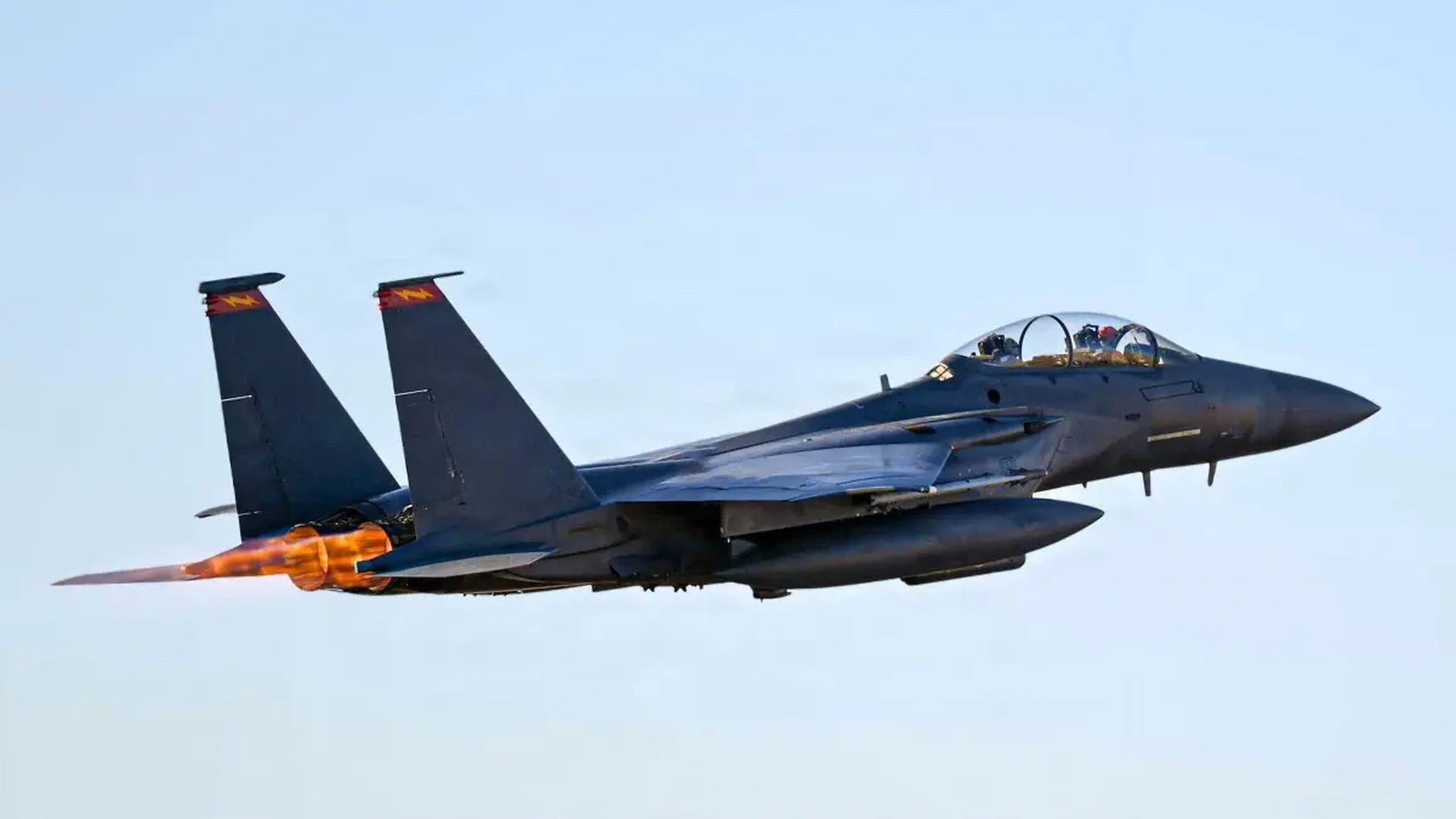
A major turning point came with the reported downing of a US F-15E Strike Eagle over Iranian territory. The incident triggered alarm inside the White House and sharply raised the stakes of the confrontation.
Trump reportedly ordered an urgent rescue effort to recover missing pilots. While one pilot was said to have been rescued in a high risk operation, the episode exposed the dangers of direct military engagement with Iran.
The incident also revived comparisons with the 1979 hostage crisis in Tehran, a defining trauma in modern US Iran relations. Any American personnel trapped inside Iran carries powerful political symbolism in Washington, making military decisions far more sensitive.
Washington Caught Between Escalation and Talks
Despite military action, the United States now appears caught between two difficult choices. One option is deeper escalation, which risks wider regional war and heavier costs. The other is renewed negotiation, which could be portrayed by critics as retreat after confrontation.
This strategic dilemma has complicated messaging from the White House. Public statements have alternated between threats and diplomatic openings, creating uncertainty among allies, markets, and adversaries.
Iran, meanwhile, has signaled resilience. Officials and state linked voices have sought to portray the United States as overextended and indecisive, arguing that pressure tactics will not force Tehran into submission.
Hormuz Crisis Sends Oil Shock Through Markets
The most immediate global consequence has come through the Strait of Hormuz, one of the world’s most important shipping lanes for crude oil and energy supplies.
Iran’s reported restrictions and disruptions in the waterway have reignited fears of supply shocks. Even limited instability in Hormuz can move oil prices sharply higher, raise transport insurance costs, and create pressure on inflation worldwide.
What was expected by some strategists to remain a contained military campaign has instead become an economic crisis touching consumers and businesses far from the Gulf.
Energy analysts have long warned that any prolonged instability in Hormuz would be felt across Asia, Europe, and North America. The latest developments have reinforced those concerns.
Mixed Signals Hurt Diplomatic Credibility
Trump’s public posture during the crisis has drawn scrutiny. At different moments, he has spoken of negotiations while also issuing blunt warnings to Tehran.
Supporters argue that unpredictability can create leverage by keeping opponents uncertain. Critics counter that inconsistent messaging weakens trust and makes diplomatic progress harder.
For regional partners and international allies, clarity from Washington is especially important during fast moving crises. Mixed signals can complicate coordination, maritime security planning, and broader de escalation efforts.
Hesitation Over Ground Operations
Despite aggressive rhetoric, reports suggest Trump has been cautious about committing large numbers of US troops to new ground operations.
One reported flashpoint involved Kharg Island, a strategically significant Iranian energy hub. According to referenced reporting, Trump resisted sending troops there due to fears of heavy American casualties and the possibility of a drawn out war.
That hesitation reflects a central reality of the crisis. Air power and naval pressure can impose costs, but sustained ground conflict in the region would carry far greater political and military risks.
Fragile Ceasefire Fails to End Tensions
Although a ceasefire reportedly brokered with support from Pakistan briefly raised hopes of calm, the pause has not delivered lasting stability.
Iran has reportedly reimposed restrictions connected to the Strait of Hormuz, citing breaches of trust by the United States. Washington, in turn, has insisted it will not accept pressure tied to global shipping routes.
That has left the ceasefire fragile and the broader conflict unresolved. Diplomats fear even a small incident at sea or in the air could rapidly trigger a new cycle of retaliation.
Political Risks Grow for Trump
The domestic political stakes for Trump are also rising. Presidents often gain short term support during military crises, but prolonged conflicts with uncertain outcomes can quickly shift public opinion.
Higher fuel prices, market anxiety, and the prospect of deeper military involvement may become major concerns for American voters if the standoff continues.
Trump entered the confrontation seeking strength and leverage. He now faces the challenge that has troubled many leaders before him: how to end a conflict once momentum has moved beyond initial expectations.
No Easy Endgame in Sight
For now, neither Washington nor Tehran appears ready to fully back down. The United States wants freedom of navigation and strategic deterrence. Iran wants security guarantees and leverage against pressure.
Those competing aims leave little room for an easy settlement.
Unless sustained diplomacy gains traction, the crisis risks becoming a prolonged burden on global energy markets, regional security, and US politics. What began as a limited gamble may yet become one of the defining foreign policy tests of Trump’s presidency.