
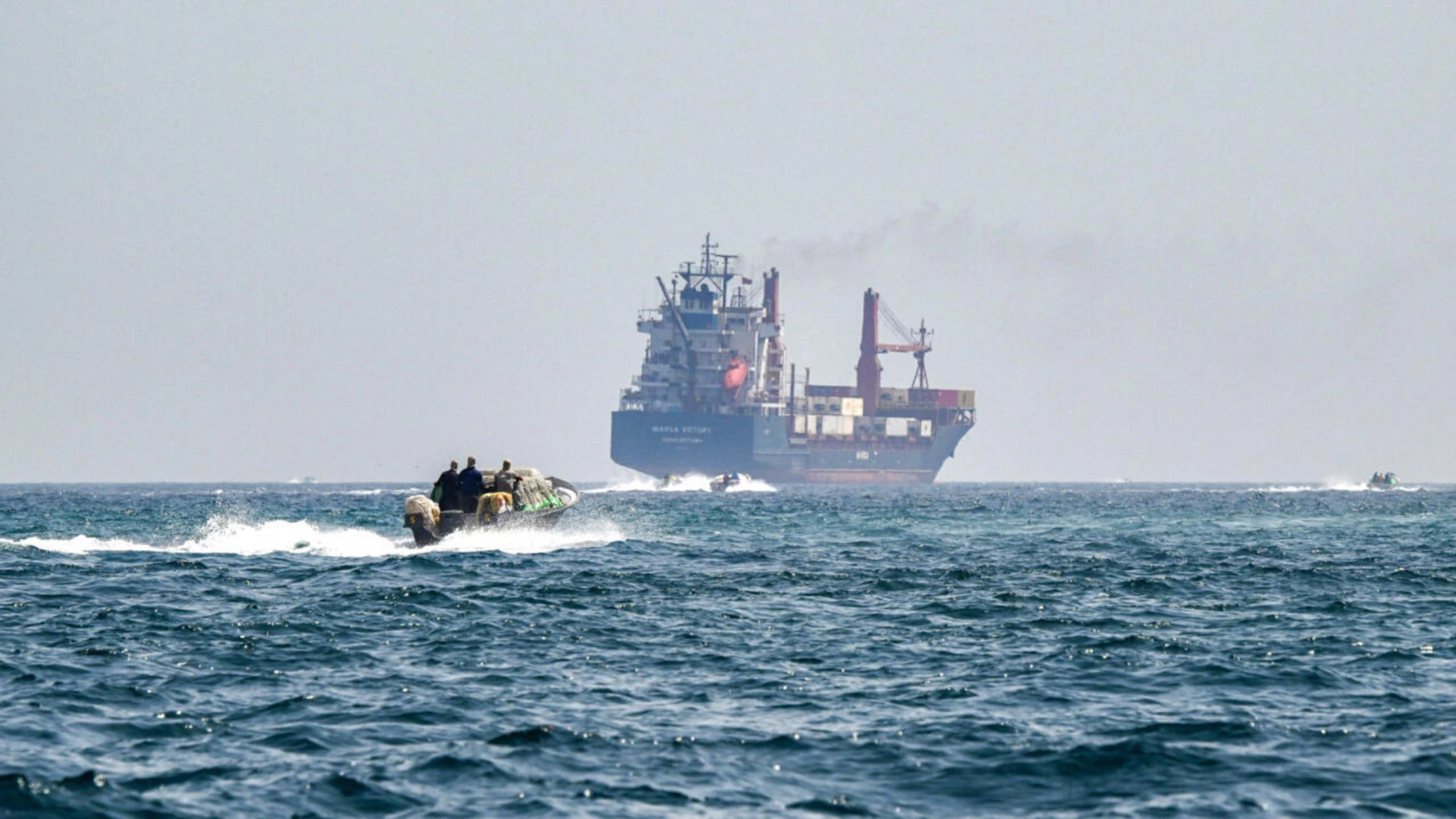
Tensions across West Asia deepened on Sunday after Iran said no date has been fixed for a new round of direct talks with the United States, while insisting that the Strait of Hormuz will remain closed unless Washington ends what Tehran described as a blockade on Iranian ports.
The fast moving developments have placed one of the world’s most strategically important waterways at the centre of a widening geopolitical crisis. The narrow maritime corridor is critical for global oil exports, and any prolonged disruption could send shockwaves through energy markets, insurance costs, shipping routes and broader investor confidence.
Iranian Deputy Foreign Minister Saeed Khatibzadeh said Tehran had not agreed to any fresh date for face to face negotiations with Washington. He also criticised what he called maximalist American demands, signalling that diplomatic progress remains uncertain at a moment when regional pressure is rising.
Hormuz Closure Raises Alarm Across Global Shipping Industry
The immediate concern for markets and governments remains the closure of the Strait of Hormuz. Iran has said it will not reopen the waterway unless pressure on its ports is lifted, creating a tense standoff with major implications for commercial traffic.
Shipping intelligence and maritime monitoring reports indicated vessel movement slowed sharply after reported warnings and firing incidents involving civilian ships. Several tankers were said to have changed course or returned to earlier anchoring positions rather than risk passing through the narrow channel.
Industry observers noted that even temporary uncertainty in the strait can create major delays. Many shipping companies are now weighing whether to wait, reroute or seek military escorts depending on how events unfold in coming days.
The Strait of Hormuz handles a substantial share of the world’s seaborne crude oil and liquefied natural gas trade. Any halt in traffic can quickly influence oil prices and freight premiums across Asia, Europe and beyond.
Talks Rumoured In Pakistan But No Official Confirmation
Fresh speculation also emerged that indirect or direct diplomacy could resume soon in Pakistan. Security sources cited by regional media suggested discussions between the United States and Iran may take place before Friday.
Reports pointed to heightened security in Islamabad, including activity at Noor Khan Airbase and restrictions near government areas. Two major hotels in the capital were also reportedly being prepared under special arrangements.
The first round of negotiations earlier this month was said to have taken place at the Serena Hotel, increasing attention on whether Pakistan may again host sensitive diplomacy.
However, Tehran’s public statement that no date has been set suggests that even if preparations are underway, significant gaps remain between both sides.
Lebanon Front Adds Another Layer Of Risk
At the same time, regional instability continues beyond the Gulf. Hezbollah leader Naim Qassem said Israeli forces must withdraw from Lebanese territory up to the internationally recognised border and allow civilians to return home.
The remarks highlighted unresolved tensions despite an existing ceasefire arrangement. Israeli operations in parts of southern Lebanon and demolition activity in border areas remain major flashpoints.
Israeli officials also reported casualties involving explosive devices in the south, underlining how fragile the truce remains. Any renewed confrontation on the Lebanon front could further complicate already difficult diplomacy involving Iran and the United States.
Analysts Warn Of A Precarious Week Ahead
Strategic analysts say the coming days could be decisive. The reported ceasefire window linked to the United States is due to expire this week, raising the possibility of stronger military or economic measures if no diplomatic breakthrough is reached.
Experts also note confusion over decision making inside Iran, where mixed signals have emerged on whether recent maritime actions reflect coordinated state policy or internal power competition.
That uncertainty itself is adding to global concern. When commercial vessels face unclear rules, insurance costs rise, operators delay sailings and governments prepare contingency responses.
Oil Markets And India Watching Closely
Asian economies, including India, are closely monitoring the situation because of heavy dependence on imported energy and Gulf trade routes. Any sustained closure of the Strait of Hormuz could affect fuel prices, shipping schedules and supply chains.
India also has a direct stake because of trade links, expatriate communities across the Gulf and strategic energy security concerns. Policymakers in New Delhi are expected to watch both maritime developments and diplomatic signals carefully.
Diplomacy Or Escalation
The central question now is whether backchannel diplomacy can move faster than events at sea. If talks begin soon, markets may stabilise and shipping flows could gradually resume. If negotiations stall, the standoff around Hormuz may intensify into a broader economic and security crisis.
For now, Tehran’s message is clear: no confirmed talks date, no reopening of the strait, and no sign that pressure tactics are ending soon. With tankers waiting, militaries on alert and investors nervous, the next few days may shape the future of the Gulf crisis.