
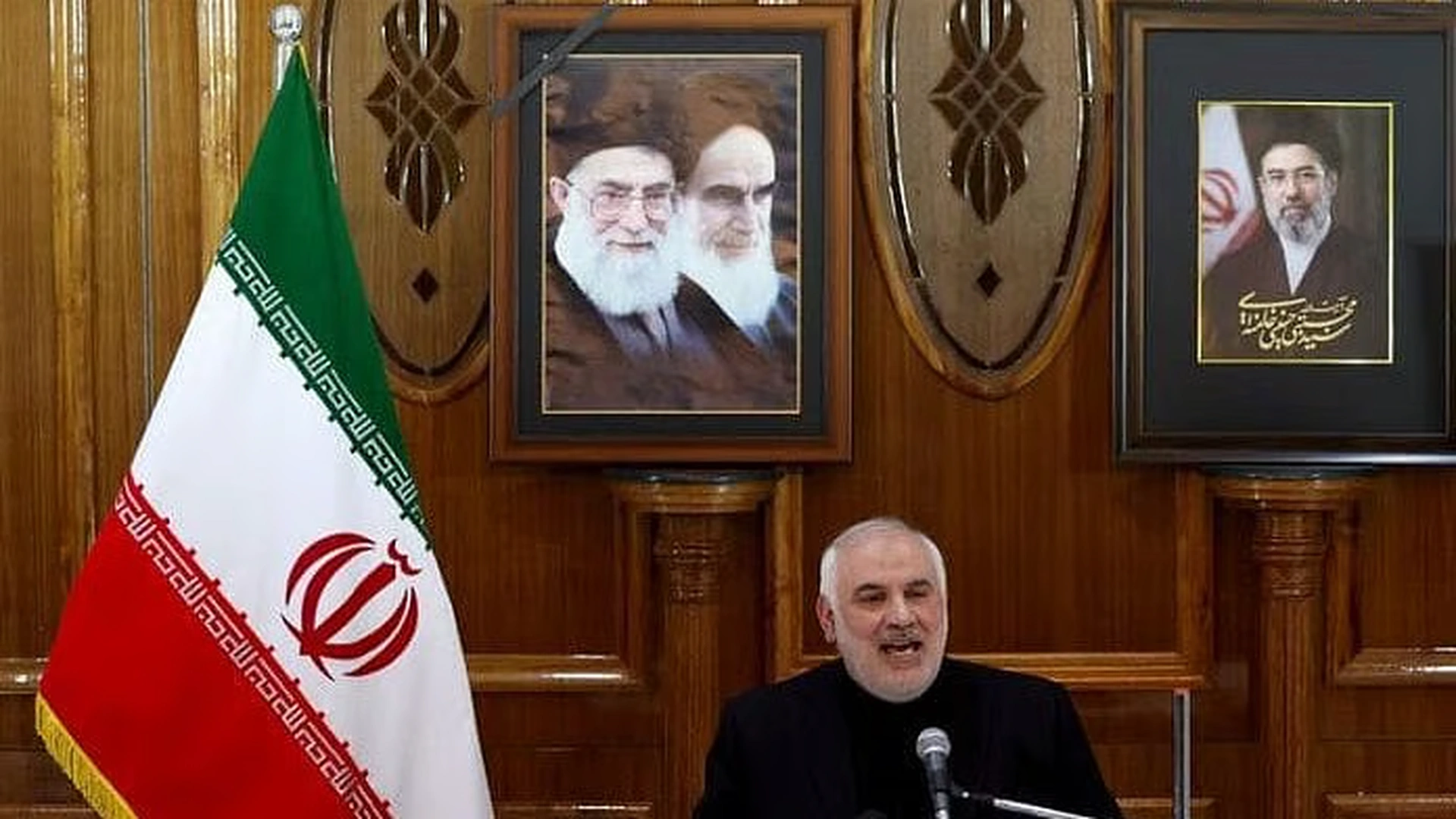
Iran on Sunday sought to reassure after New Delhi summoned Tehran’s envoy over reported firing on India flagged vessels in the Strait of Hormuz, an incident that has added fresh concern to already tense regional conditions.
The response came from Dr Abdul Majid Hakeem Ilahi, representative of Iran’s Supreme Leader in India, who described relations between the two countries as strong and expressed hope that the matter would be resolved peacefully. His remarks came at a sensitive moment as global attention remains fixed on maritime security, oil flows, and military tensions across West Asia.
Iran Seeks To Calm Concerns After Shipping Incident
Speaking after the diplomatic protest from India, Ilahi said relations between Iran and India remain solid despite the latest dispute. He stated that he was not aware of the full details of the reported firing incident but voiced confidence that the matter could be settled.
He also underlined Tehran’s desire for peace, saying Iran does not want war and hopes all sides choose de escalation so that the region can remain stable. The statement appeared aimed at easing concern in India, where officials are closely monitoring the safety of merchant shipping and energy supplies moving through the Gulf.
India Registers Strong Protest With Tehran
The comments followed a formal protest by India after two India flagged ships, Sanmar Herald and Jag Arnav, reportedly came under fire while transiting the . According to reports, both vessels were forced to reverse course during the voyage.
The ships were said to be carrying nearly two million barrels of Iraqi crude oil. While the vessels and crews were reported safe, the development raised immediate alarm because of the strategic importance of the route for India’s energy imports.
India’s Ministry of External Affairs summoned Iranian envoy Mohammad Fathali and urged Tehran to restore safe passage for India bound commercial vessels.
Strait Of Hormuz Remains Critical To Global Trade
The Strait of Hormuz is among the world’s most important shipping corridors, linking Gulf producers with international markets. A significant share of global crude exports passes through the narrow waterway, making any disruption a matter of worldwide concern.
For India, uninterrupted movement through the strait is particularly important because the country depends heavily on imported energy. Any delays, rerouting, or insurance related complications can increase costs for refiners and potentially affect domestic fuel markets.
Recent reports also suggested that other vessels, including Greek tankers, altered course after hearing of gunfire in the area. Such reactions highlight how quickly commercial shipping responds when maritime security risks rise.
Sudden Closure Adds To Uncertainty
The latest episode gained further attention after reports that Iran announced a complete closure of the Strait of Hormuz less than a day after indicating that it would remain open. Tehran reportedly linked the move to actions connected with a United States blockade.
That rapid change has intensified uncertainty for traders, shipping firms, insurers, and governments. Even short disruptions in the passage can influence crude prices, freight rates, and broader market sentiment.
India Iran Ties Face A Test
India and have historically maintained important ties in trade, energy, and regional connectivity. Despite geopolitical shifts and sanctions pressures over the years, both sides have often worked to preserve diplomatic engagement.
The current disagreement does not automatically signal a breakdown in relations, but it does test both governments’ ability to manage a sensitive crisis while protecting national interests. India’s swift protest shows the seriousness with which it views threats to commercial navigation.
What Comes Next
Attention will now focus on whether shipping traffic normalises and whether diplomatic talks can reduce tensions. If vessels resume safe transit quickly, the immediate crisis may ease. If disruptions continue, pressure could grow on regional and global powers to intervene diplomatically.
For now, Iran’s message has been clear: ties with India remain strong, and Tehran says it wants peace. India, meanwhile, is expected to continue pressing for concrete assurances that its ships can move safely through one of the world’s most vital maritime routes.