
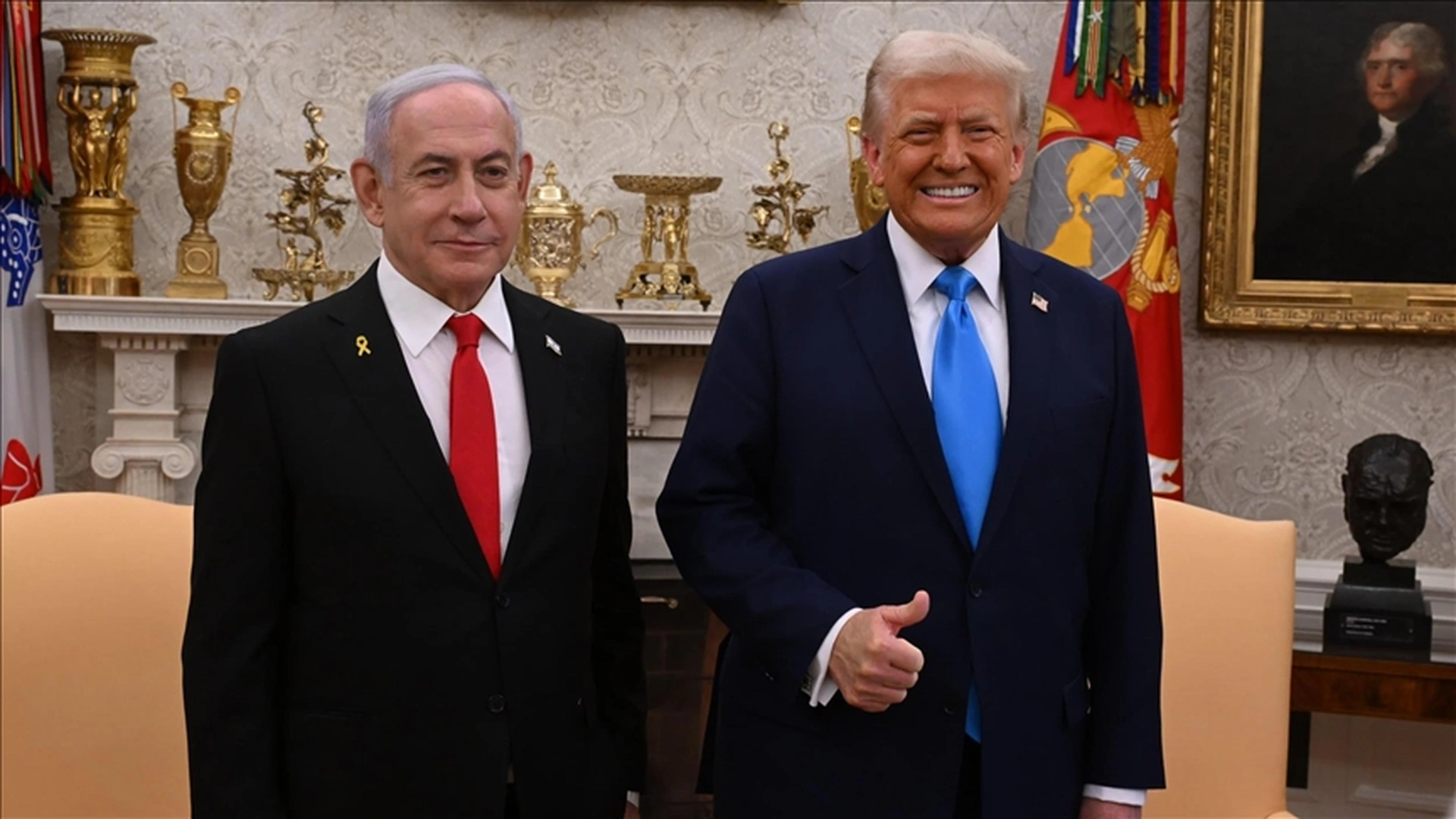
The Middle East entered another volatile phase on Saturday as tensions between the United States, Israel, and Iran continued to shape diplomacy, military strategy, and global markets. While a temporary ceasefire has reduced the immediate risk of full scale war, fresh warnings over the Strait of Hormuz, conflicting statements on nuclear negotiations, and renewed violence in Lebanon show that the crisis remains far from resolved.
The region now stands at a delicate crossroads. Public statements from Washington and Tehran suggest active backchannel engagement, yet both sides remain sharply divided on the core issues that triggered confrontation in the first place.
Iran Rejects Trump Claims on Uranium Transfer
At the center of the dispute is Iran’s nuclear programme. Iranian officials have strongly denied claims by US President Donald Trump that Tehran had agreed to send enriched uranium to the United States as part of an emerging settlement.
Iranian representatives said no such proposal had been accepted and insisted the transfer of nuclear material was never part of formal negotiations. Tehran also described Washington’s demands as unrealistic and unacceptable.
These remarks directly challenge Trump’s repeated statements that a breakthrough is near. The US president has said there are no major obstacles left and claimed a deal could soon be finalized.
The sharp contradiction highlights how both governments are presenting different narratives to domestic and international audiences. While Washington projects confidence, Tehran continues to emphasize sovereignty and resistance to pressure.
Strait of Hormuz Returns as Global Flashpoint
The most immediate source of concern remains the Strait of Hormuz, one of the world’s most important energy chokepoints. Nearly a fifth of global oil supplies move through the narrow waterway, making any disruption a serious threat to international markets.
Iran had earlier signaled limited reopening for commercial traffic, which briefly eased investor fears and pushed oil prices sharply lower. Brent crude retreated from recent highs near $120 per barrel to around $90, calming inflation concerns across many economies.
However, that relief proved fragile.
Iranian military authorities later warned that any vessel attempting to approach the strait without compliance with new restrictions could be targeted. Reports also emerged of gunboats firing near a tanker, forcing some ships to turn back.
The renewed uncertainty has raised fears of another energy shock. Shipping insurers, traders, and import dependent nations are now watching every development in the Gulf.
Trump Maintains Pressure While Offering Optimism
President Trump has continued to strike two tones at once: pressure and optimism.
On one hand, he has said the United States will maintain maritime and economic pressure on Iran until a comprehensive agreement is signed. Reports suggest Washington is considering broader enforcement actions against Iran linked shipping networks beyond the Gulf.
On the other hand, Trump has repeatedly said talks are progressing and that an agreement may be close. He also praised Israel as a strong American ally, highlighting the strategic partnership during the ongoing regional conflict.
This dual strategy reflects a familiar negotiating pattern: maximize leverage while keeping diplomatic doors open.
Iran Declares Battlefield Success
Iranian Parliament Speaker Mohammad Bagher Ghalibaf said Tehran had achieved victory during the recent conflict and only accepted a temporary ceasefire after its conditions were met.
He claimed the United States and its allies failed to weaken Iran’s missile forces, naval strength, or political system. He also warned that if pressure continues, restrictions in the Strait of Hormuz could intensify.
Iran’s leadership is using the ceasefire period to project resilience, signaling that any final agreement must recognize Tehran’s strategic standing rather than treat it as a defeated actor.
Lebanon Ceasefire Under Severe Strain
Another major front remains Lebanon, where a 10 day ceasefire between Israel and Hezbollah is holding only narrowly.
Hezbollah leader Naim Qassem said a ceasefire cannot be one sided and warned that violations by Israel would trigger retaliation. He demanded a full halt to hostilities, Israeli withdrawal, prisoner exchanges, and reconstruction support.
Meanwhile, reports from southern Lebanon described demolitions, artillery fire, and deadly incidents involving soldiers and peacekeepers.
The death of a French peacekeeper in an ambush has drawn international condemnation. France blamed Hezbollah, while the group denied involvement.
These developments show that although diplomacy has created temporary pauses, mistrust on the ground remains dangerously high.
International Powers Move to Prevent Escalation
As risks spread beyond the immediate combat zones, outside powers are stepping in.
France and the United Kingdom are discussing multinational maritime initiatives aimed at protecting shipping lanes in the Gulf. Saudi and US officials are also reported to be coordinating on Hormuz security and regional stabilization.
Pakistan has emerged as a possible venue for future US Iran negotiations, signaling a broader diplomatic effort involving regional mediators.
The growing international role reflects concern that any breakdown in talks could quickly disrupt oil supplies, trade routes, and wider security arrangements.
Markets React but Remain Nervous
Financial markets responded positively to signs of de escalation earlier in the week, especially after partial reopening signals from Hormuz. Oil prices dropped and inflation fears eased.
But the latest threats and conflicting statements have reminded investors that the situation can reverse rapidly.
Energy traders now face a market driven not only by supply and demand, but by military announcements, diplomatic messaging, and sudden operational risks at sea.
Fragile Pause, Uncertain Future
The current moment is best described as a pause rather than peace.
Iran and the United States are still talking, but disagree on fundamentals. Israel and Hezbollah are observing a truce, but clashes continue. Global markets welcome any sign of calm, yet remain highly sensitive to new shocks.
For now, diplomacy has slowed escalation. Whether it can deliver a durable settlement is still unclear.
The coming days, especially around the ceasefire deadlines and any next round of negotiations, may determine whether the region moves toward stability or returns to open confrontation.