
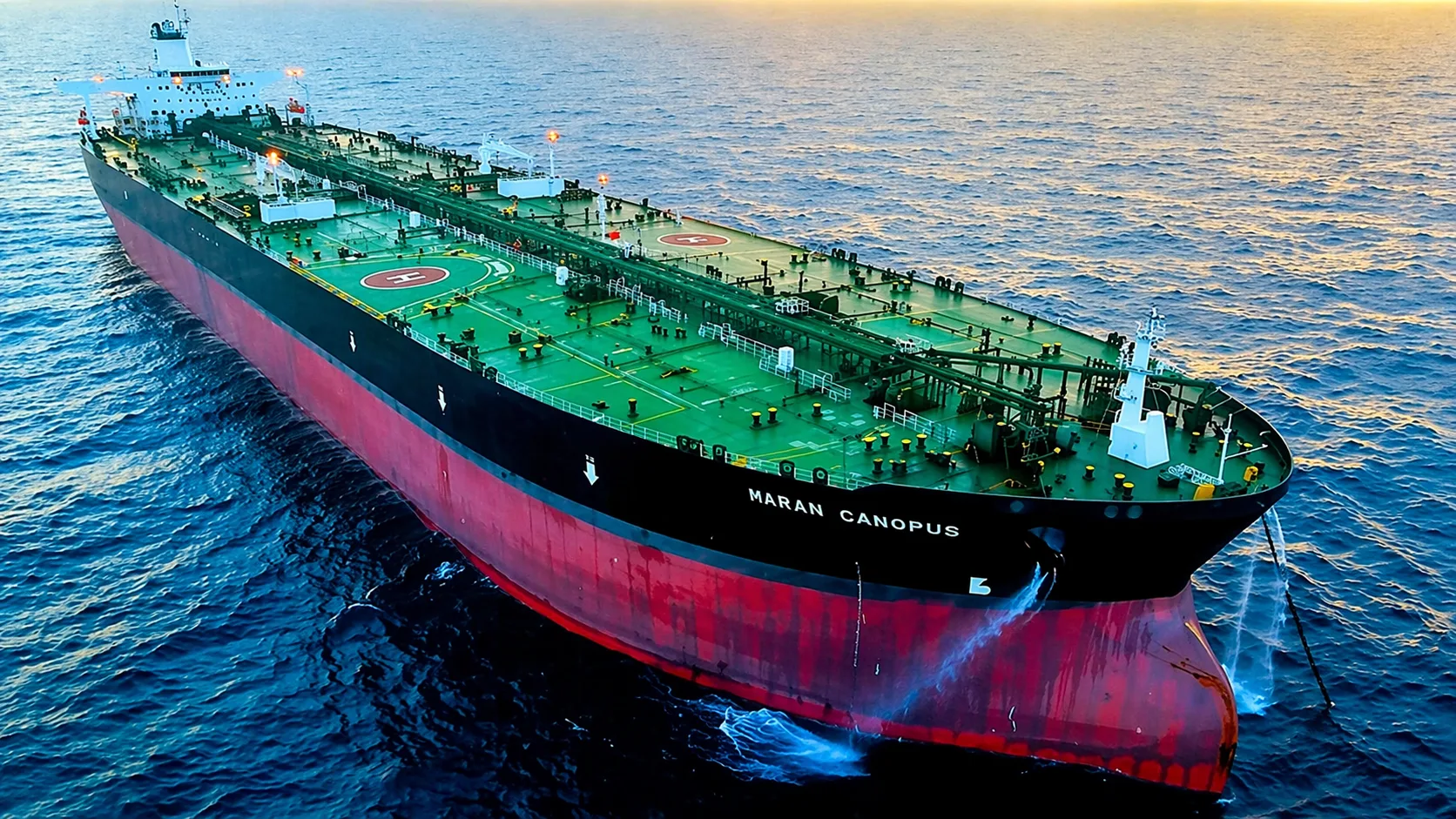
Fresh concern has emerged over maritime safety in the Strait of Hormuz after a distress audio recording from an Indian flagged tanker surfaced following reported firing by Iranian gunboats. The incident has drawn a sharp diplomatic response from India and renewed global focus on one of the world’s most critical shipping corridors.
Two Indian flagged tankers, identified as Sanmar Herald and Jag Arnav, were forced to turn back after coming under fire while attempting to navigate the Strait of Hormuz. Officials said no injuries were reported and neither vessel suffered damage, but the episode has intensified anxiety among shipping operators already dealing with war related uncertainty in the Gulf.
Distress Audio Captures Chaos At Sea
The most striking development came with the release of a short distress audio clip reportedly from aboard Sanmar Herald. In the recording, a crew member is heard urgently addressing Iranian naval forces.
“Sepah Navy. Sepah Navy. This is motor tanker Sanmar Herald. You gave me clearance to go. My name is second on your list. You are firing now. Let me turn back.”
The message appeared to reflect confusion over navigation approvals and military instructions in the narrow waterway. Maritime analysts say such mixed signals can create serious danger for civilian crews operating in tense conflict zones.
The recording was circulated online by maritime monitoring groups and quickly gained international attention.
Why The Strait Of Hormuz Matters
The Strait of Hormuz is one of the most strategically important sea lanes in the world. A large share of global oil and gas exports passes through the narrow passage connecting the Persian Gulf to international waters.
Any disruption in the strait can affect shipping schedules, insurance costs, fuel prices, and wider financial markets. Because of that importance, even isolated incidents involving merchant ships can have consequences far beyond the region.
Shipping companies closely monitor developments there, especially during periods of military confrontation involving Iran, the United States, Israel, and allied regional actors.
India Reacts Strongly, Summons Iranian Envoy
India moved swiftly after the firing reports by summoning the Iranian ambassador in New Delhi. The Ministry of External Affairs conveyed deep concern over the safety of Indian vessels and mariners operating in the region.
According to official statements, India emphasized the importance it places on secure merchant navigation and recalled previous cooperation from Iran in helping India bound ships pass safely through the strait.
The Foreign Secretary also urged Tehran to resume arrangements that ensure safe transit for Indian shipping at the earliest opportunity.
The diplomatic move underlines how seriously New Delhi views threats to commercial vessels, especially in a zone vital to India’s energy imports and trade routes.
Rising Confusion Over Hormuz Access
The firing incident comes amid rapidly changing signals regarding the status of the Strait of Hormuz.
Recent statements from Iranian authorities suggested the route would reopen after ceasefire related developments in the region. However, later announcements indicated tighter military control had been restored, creating uncertainty for ship operators.
Iranian military channels reportedly warned that vessels approaching under certain conditions could be viewed as cooperating with hostile forces.
That shifting posture has complicated decision making for commercial captains who depend on clear instructions, verified routes, and uninterrupted communications.
Indian Shipping Faces Strategic Risk
India is among the countries most exposed to disruption in Hormuz due to its significant energy imports from West Asia. Delays or danger in the route can increase freight costs and create supply chain pressure.
Indian flagged ships also carry strategic importance, representing both trade continuity and maritime confidence. Any hostile action or navigational threat involving such vessels is likely to trigger immediate government attention.
Industry experts say even when ships are not damaged, incidents of warning fire or forced reversals can discourage traffic and raise insurance premiums for weeks.
Global Markets Watching Closely
Energy traders and investors are closely monitoring the latest developments. Markets often react quickly to tension in the Gulf because fears of supply disruption can push oil prices higher.
If confusion over access to the strait continues, tanker movements may slow, reroute, or pause until operators receive clearer assurances. That could affect shipping availability and freight rates across multiple regions.
While no direct physical damage was reported in this case, the symbolism of gunfire near commercial tankers in such a vital route is significant.
Calls For Calm And Predictability
Security analysts say the immediate priority should be restoring reliable communication channels between military forces and civilian shipping traffic.
Merchant vessels depend on predictable transit systems, coordinated clearances, and real time guidance. Any breakdown can rapidly escalate into crisis, particularly where armed forces are already on alert.
India’s diplomatic intervention may help push for clearer procedures that reduce the risk of further incidents involving international shipping.
What Happens Next
Attention will now turn to whether Iran offers formal clarification, whether transit conditions stabilize, and whether Indian bound ships can resume safe passage without interruption.
For now, the distress audio from Sanmar Herald has become a powerful symbol of how quickly confusion at sea can become an international flashpoint.
As tensions continue across West Asia, the Strait of Hormuz remains more than a shipping lane. It is a pressure point for diplomacy, energy security, and global trade.